Cheetah vs. Leopard Differences: Understanding Africa’s Fastest and Most Secretive Cats
Cheetahs and leopards are two of Africa’s most famous big cats. They share the same landscapes and sometimes hunt similar prey, but they have very different body structures, hunting styles, and behaviors.
The cheetah is known as the fastest land animal in the world, while the leopard is famous for its strength, climbing ability, and secretive nature. Understanding their differences makes every safari experience more exciting.
Difference in Appearance
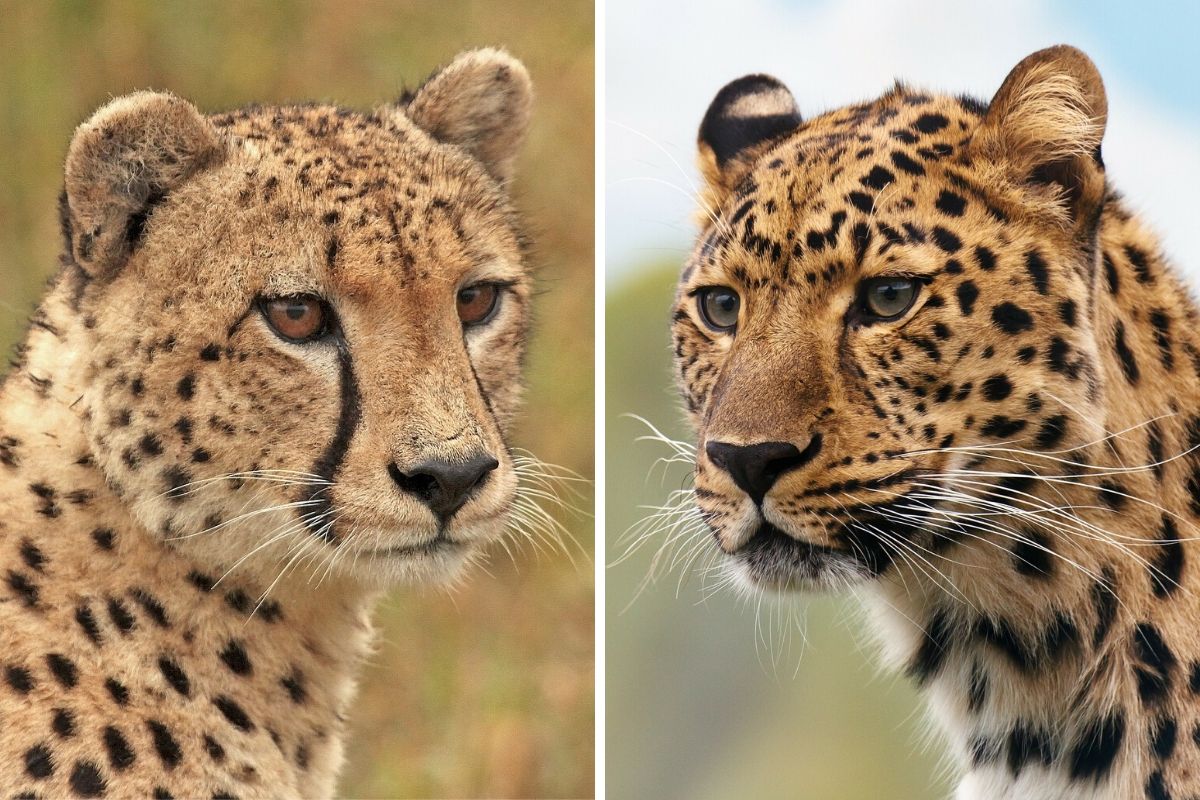
The easiest way to tell a cheetah and leopard apart is by looking at their physical features. Cheetahs have a slim, lightweight body designed for speed. They have long legs, a small rounded head, and a deep chest that helps them breathe quickly during high-speed chases.
Their golden coat has small solid black spots spread evenly across their body. Cheetahs also have unique black tear marks that run from their eyes down to their mouths. These markings help reduce sunlight glare while hunting.
Leopards have a stronger and more muscular body. Their golden-yellow coat features black rosette patterns instead of solid spots. These markings help them blend into forests, grasslands, and rocky environments.
Difference in Speed and Strength
Cheetahs are built for speed. They can reach speeds of around 100 kilometers per hour during short bursts. Their flexible spine, long legs, and powerful muscles allow them to accelerate quickly. However, cheetahs cannot maintain high speeds for long periods. They depend on short, explosive chases to catch prey.
Leopards are not as fast as cheetahs, but they are much stronger. Their powerful bodies allow them to climb trees and carry prey heavier than themselves.
Difference in Hunting Style
Cheetahs rely on speed and eyesight when hunting. They usually hunt during the day when they can clearly see their surroundings. A cheetah carefully watches its target before making a rapid chase. After catching prey, it often eats quickly because stronger predators may steal its meal.
Leopards use a different strategy. They depend on patience, camouflage, and surprise. They silently approach their prey before launching a powerful attack. Leopards often hunt alone at night or during early morning and evening hours.
Difference in Diet
Both cheetahs and leopards eat meat, but their preferred prey differs. Cheetahs mainly hunt smaller and medium-sized animals such as gazelles, impalas, and young antelopes. Their lightweight bodies help them chase fast-moving prey.
Leopards have a more varied diet. They hunt antelopes, monkeys, birds, reptiles, and smaller mammals. Their strength allows them to handle a wider range of prey.
Difference in Climbing Ability
Leopards are excellent climbers. They often carry their kills into trees to protect them from lions, hyenas, and other competitors. Their strong legs, sharp claws, and muscular shoulders make climbing easy.
Cheetahs are poor climbers compared to leopards. Their bodies are designed for running rather than climbing. They usually rest in open areas where they can watch for danger.
Difference in Social Behavior
Cheetahs and leopards have different social lifestyles. Female cheetahs usually live alone with their cubs. Male cheetahs may form small groups called coalitions, often made up of brothers that stay together.
Leopards are mostly solitary animals. Adult males and females usually live separately except during mating periods. Female leopards raise their cubs alone and teach them important survival skills.
Difference in Habitat
Cheetahs prefer open grasslands and savannahs where they have space to run. They depend on clear visibility to spot and chase prey. Leopards are more adaptable. They live in forests, mountains, grasslands, wetlands, and savannahs.
Their ability to survive in different environments makes leopards one of Africa’s most adaptable predators.
Difference Between Cheetah and Leopard Cubs
Cheetah cubs are born with a thick grey coat called a mantle. This helps camouflage them in grass and protects them from predators. Leopard cubs are born blind and depend completely on their mothers during their early weeks. Their mothers hide them in safe locations until they become stronger.
Both species face many dangers when young, including attacks from larger predators.
Conservation Challenges
Both cheetahs and leopards face threats from habitat loss, human-wildlife conflict, and declining prey populations. Cheetahs are especially vulnerable because they require large open areas to survive. Leopards also face pressure because their habitats are becoming smaller.
Conservation programs help protect these cats by preserving habitats and promoting coexistence between people and wildlife.
Best Places to See Cheetahs and Leopards
The Serengeti National Park and Ngorongoro Conservation Area in Tanzania are excellent places to see both cheetahs and leopards. Kenya’s Maasai Mara is also famous for cheetah sightings, while South Africa’s private reserves provide opportunities to observe leopards.
Uganda’s national parks also offer chances to see leopards in their natural habitats.
Plan Your African Big Cat Safari
Planning to see a cheetah or leopard in the wild is an unforgettable experience. Watching a cheetah prepare for a high-speed chase or spotting a leopard resting on a tree branch reveals the incredible diversity of Africa’s predators.
A big cat safari offers a chance to witness nature’s speed, strength, and survival skills in some of Africa’s most beautiful landscapes.