African Drum Lesson Safari: Learning Traditional Drumming in East Africa
Drumming in East Africa is not entertainment. It is communication, ceremony, and collective identity encoded in rhythm. The Kiganda drum ensemble of Uganda’s Buganda Kingdom carried messages between palaces, announced royalty, and narrated history through specific rhythmic patterns that trained listeners could decode with full semantic content. The Maasai of Kenya and Tanzania use percussion and voice together in ceremonies that mark life transitions — circumcision, warrior graduation, and marriage all carry their own specific rhythmic and vocal signatures. Learning to play even a simplified version of these traditions with a skilled local musician opens a dimension of East Africa’s culture that tourist-focused performances glimpse but never fully convey.
Uganda’s Kiganda Drumming Tradition
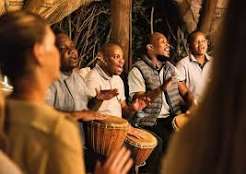
Uganda’s Buganda Kingdom maintains one of Africa’s most sophisticated court drum traditions. The embaire a xylophone-like instrument played in ensemble with various drum types forms the core of Kiganda court music. The engoma drum is the most recognisable instrument a tall, tapered drum played with bare hands in specific finger and palm techniques that produce distinctly different tones from the centre and edge of the drum head. Drum ensembles perform at cultural events throughout central Uganda, and several cultural centres near Kampala offer visitor drum sessions with professional Kiganda musicians. Moreover, these sessions are not tourist performances they are genuine teaching encounters where the musician sits across from the learner and transmits specific rhythmic patterns through demonstration and repetition.
Kenya and Tanzania Percussion Cultures
Kenya’s coastal Swahili culture uses the taarab musical tradition, which incorporates Arab and Indian percussion elements alongside East African drum patterns. The dumbak a goblet-shaped ceramic drum and the tabla pair drive taarab’s characteristic driving rhythm in coastal musical performances from Mombasa to Lamu. Tanzania’s ngoma tradition encompasses dozens of regional percussion styles, each associated with specific ethnic communities and ceremonial functions. The ngoma drum a large, two-headed cylindrical drum played with sticks features in harvest ceremonies, healing rituals, and community gathering events throughout Tanzania’s highland and coastal regions. Additionally, the coastal Zanzibar taarab tradition, the Chagga ngoma of Kilimanjaro, and the Maasai olkiama percussion tradition each represent distinct drumming cultures within Tanzania alone.
What a Drum Lesson Involves
A practical drum lesson with a local musician typically lasts 45 to 90 minutes. The instructor demonstrates the basic hand positions and striking techniques for the instrument being taught. Learners then practice the fundamental pattern usually a repeating 4 or 8 beat cycle until it flows with minimal conscious effort. The instructor adds a second, interlocking pattern once the first is established. The combination of two interlocking patterns begins to reveal how African polyrhythm works each part simple on its own, but together creating a rhythmic density and forward momentum that neither part alone produces. Furthermore, the instructor explains the cultural context of the patterns being taught the ceremony, occasion, or meaning that the specific rhythm encodes within its tradition.
Plan Your Safari
Uganda’s Kampala cultural centres — including the Uganda Museum and various Buganda cultural organisations — offer structured drum lessons with professional musicians year-round. Kenya’s cultural camps in the Maasai Mara region provide evening cultural sessions that include percussion demonstrations and guest participation. Tanzania’s village cultural programmes near Arusha and Moshi include ngoma drumming sessions as standard components. The evening timing of most drum sessions fits naturally into the post-dinner period of a safari day.
African Wild Trekkers includes cultural experiences such as drumming lessons in Uganda, Kenya, and Tanzania itineraries. Contact us to plan a safari that combines wildlife with deep engagement with East Africa’s living musical traditions.