info@africanwildtrekkers.com

info@africanwildtrekkers.com

blog

Best Time to Visit Amboseli for Elephants: A Month-by-Month Guide

When to Visit Amboseli National Park

How Seasons Affect Amboseli’s Elephant Viewing

The Dry Season Advantage: June Through October

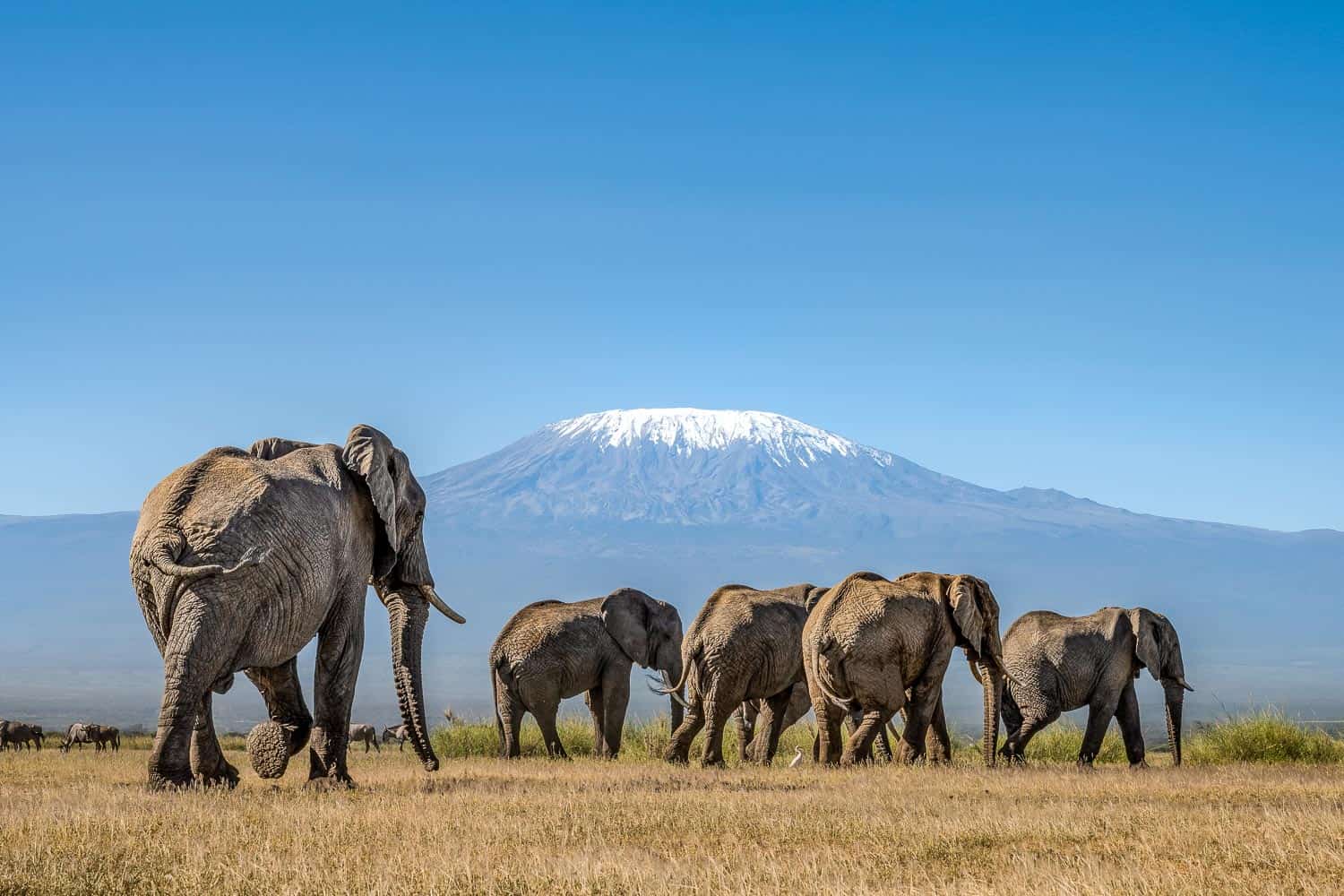
Amboseli’s dry season from June through October represents the park’s peak game viewing period for elephant viewing for several reinforcing reasons. Rainfall drops to near-zero across much of the park between July and September, concentrating both elephants and the full supporting cast of Amboseli wildlife around the permanent swamps of Enkiama and Longinye that retain water year-round from underground springs fed by Kilimanjaro’s snowmelt. Elephants from multiple family groups converge on these swamps daily in numbers that can exceed 600 individuals in a single afternoon session, creating the closest approximation to the historical Amboseli elephant concentrations that surveys from the 1970s documented before poaching reduced the population dramatically. The swamps become the de facto centre of the park’s daily wildlife activity, and positioning a vehicle at the swamp edges for two to three hours in late afternoon produces elephant sightings that no other Kenya park replicates at this density.

Dry season vegetation in Amboseli drops to near-bare conditions in the park’s open plains section, which many visitors find stark but that wildlife photographers value for the clear sight lines it creates across the flat terrain. The absence of tall grass means that elephant family groups moving across the flats are visible from several kilometres and can be tracked by vehicle from their swamp morning departure through their midday movement across the plains to their evening return to water. Kilimanjaro’s visibility reaches its annual peak during the dry season, with June and July particularly reliable for clear mountain views in the early morning before convection clouds build on the peak. The combination of maximum elephant density, clear sight lines, and reliable Kilimanjaro backdrop makes July the single best month for Amboseli elephant photography in any normal year.

The Green Season: November Through May

Amboseli’s two rainy seasons — the short rains from October through December and the long rains from March through May — transform the park into a dramatically different environment that wildlife enthusiasts who have only visited in the dry season find genuinely surprising. The open plains that appear as a featureless dry lakebed during July and August green within days of the first rains and support grass growth that concentrates zebra and wildebeest herds in numbers that the dry season’s dispersal across the ecosystem reduces. Elephants disperse more widely during the green season as water becomes available across the park rather than concentrated at the permanent swamps, creating a different viewing dynamic where family groups spread across the plains and require more driving to locate than the dry season’s swamp concentration provides.

The long rains from March through May represent Amboseli’s most challenging visit period — sustained rainfall can make the park’s black cotton soil tracks virtually impassable for standard vehicles and even four-wheel-drives in heavy rain years, and the cloud cover that accompanies sustained rainfall reduces Kilimanjaro visibility to near-zero for days or weeks at a stretch. These same conditions produce extraordinary birdlife as migrant waterfowl arrive on the temporary shallow lakes that form across the park’s eastern and southern sections, attracting flamingos, pelicans, avocets, and dozens of wading species that the dry season’s absent water cannot support. Amboseli’s bird list jumps from approximately 350 species in dry season to over 450 during the rains, and the park’s resident mammals remain fully visible despite the challenging driving conditions — the viewing just requires more patience and more mud than the dry season’s effortless access delivers.

Month-by-Month Amboseli Calendar

January, February and March

January in Amboseli combines the end of the short rains’ green flush with typically good weather and some of the year’s clearest Kilimanjaro views before the long rains arrive. The park receives a significant influx of migratory birds from December through February, including European swallows and storks that complete a 10,000-kilometre journey from breeding grounds in the northern hemisphere to winter in Amboseli’s productive grassland. Elephant family groups use the distributed water from the rains to range widely across the park rather than concentrating at the permanent swamps, making individual sightings frequent across a larger area even if the concentrated swamp spectacle of the dry season is unavailable. February tends toward dry conditions that begin to firm up the park’s tracks ahead of the long rains and provide increasingly reliable Kilimanjaro visibility as the harmattan haze that affects January’s atmospheric clarity diminishes.

March signals the onset of the long rains in most years, beginning with afternoon thunderstorms that build across Kilimanjaro and roll down to the park in early afternoon before clearing to evening sunshine that illuminates the mountain’s wet rock faces in warm light. Driving in March becomes progressively more challenging as the rains intensify through the month, and guests who visit in late March should expect to modify planned game drive routes based on track conditions rather than following preset circuits. The park’s elephant population concentrates around the beginning of the calf calving season that peaks between March and May, with new calves visible in family groups across the park in an annual renewal that provides some of Amboseli’s most intimate wildlife moments regardless of the challenging weather conditions that coincide with it.

April, May and June

April and May represent Amboseli’s long rains peak — the period of highest rainfall, most challenging road conditions, and lowest visitor numbers that produces the year’s lowest accommodation rates and the most intimate wildlife experiences from the few guests who visit during this window. The long rains’ vegetation flush produces an Amboseli of intense green grassland, flowering acacia, and the blue-purple bloom of the wild sage that covers the park’s northern sections in a carpet visible from the escarpment viewpoints above the park boundary. Photography during the long rains demands a different approach — focusing on the lush landscape context that surrounds every wildlife encounter rather than the stark geometric compositions that the dry season’s bare terrain produces — and the quality of green-season light after afternoon storms, when slanted sunshine catches wet grass and backlit storm clouds, rewards photographers who adapt their aesthetic expectations to the season.

June marks Amboseli’s transition from wet to dry season in most years — the rains taper from reliable daily falls to occasional storms, the track network firms from muddy to firm murram, and the park’s vegetation begins the drying cycle that will peak in August and September. Kilimanjaro visibility improves significantly in June as the moisture-laden air of the long rains season gives way to the clearer dry season atmosphere, and June mornings frequently deliver the most dramatic mountain views of the transitional periods — the mountain’s snow cap clearly defined against a deep blue sky, the lower slopes still green from the rains, and the park in the foreground in the transitional grass colour that green-season and dry-season aesthetics blend. June accommodation rates are typically lower than July through September peak rates while wildlife quality in terms of elephant swamp concentration is already strong and building toward the dry season peak.

July Through December

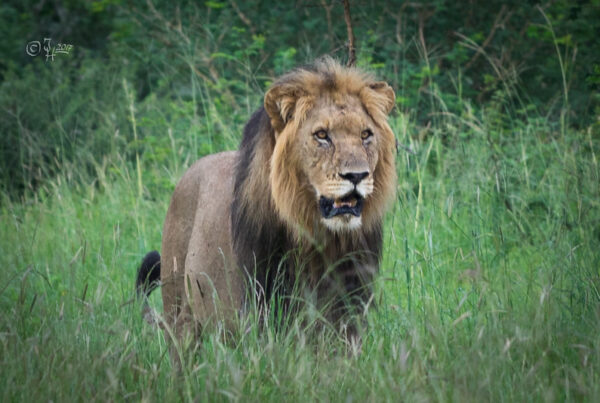
July, August, and September constitute Amboseli’s peak visitor season and the strongest period for elephant swamp viewing, Kilimanjaro photography, and the predator activity that the prey concentration at swamp edges generates. Lion prides in Amboseli show increased hunting success rates in the dry season when prey concentrations around water make ambush positions predictable and approach distances shorter than the dispersed prey landscape of the wet season allows. The cheetah population — smaller than the Mara’s but resident in the park’s open plains section — hunts Thomson’s gazelle and impala on the flat terrain south of the swamps in a landscape that provides excellent photography conditions for cheetah observation. October’s return of the short rains brings the cycle back through green-season conditions, with the short rains typically lighter than the long rains and producing a manageable combination of refreshed vegetation and generally accessible tracks that suits visitors who want to combine good wildlife viewing with the lush landscape that the dry season’s bare terrain lacks.

November and December deliver a combination of short rains and gradually improving conditions that produces good wildlife viewing at progressively lower accommodation prices than peak season commands. The flamingo population on Amboseli’s eastern lake margins peaks during November when water levels are right for the algae concentrations that flamingos feed on, adding a spectacle that draws birders and photographers who have focused on elephants during dry season visits. December combines the end of the short rains with the Christmas holiday surge that briefly pushes accommodation rates back toward peak season levels before the post-holiday January drop. Visiting in early December before the holiday surge arrives delivers green season aesthetics, post-rain bird diversity, and lower rates in a window that knowledgeable Kenya visitors increasingly target as one of Amboseli’s best-value quality windows of the year.

Practical Amboseli Planning Information

Getting There and What to Book

Access Routes and Accommodation Selection

Amboseli National Park sits 240 kilometres southeast of Nairobi on the road to the Tanzania border at Namanga, with the main park gate at Kimana accessible via Emali junction on the Mombasa highway. The road from Nairobi to Emali is well-maintained tarmac, and the 40-kilometre section from Emali to Kimana Gate ranges from corrugated murram in dry conditions to deeply rutted tracks after heavy rain. Internal flights from Nairobi’s Wilson Airport to Amboseli’s main grass airstrip take approximately 45 minutes and deliver guests to the park without the four-hour road journey that ground transfer requires — a strong argument for fly-in access for visitors combining Amboseli with a Nairobi business schedule or with other parks that also require driving time.

Accommodation at Amboseli ranges from the basic Kenya Wildlife Service bandas inside the park to the luxury permanent-tented camps that occupy prime swamp-edge positions. Ol Tukai Lodge, Amboseli Serena Safari Lodge, and Tortilis Camp provide the park’s established mid-range to upper-range options, while the conservancy camps in Selenkay and Kimana outside the park boundary offer off-road access and night drive capabilities that the national park prohibits. Camp selection at Amboseli should prioritise proximity to the swamp edges — the Enkiama and Longinye swamp areas where elephants concentrate daily — over architectural quality, since the best swamp-edge positions deliver wildlife viewing from the camp perimeter that distant camps require long game drives to access.

Plan Your Safari

Timing an Amboseli visit for the best combination of elephant density, Kilimanjaro visibility, and track conditions requires matching your travel dates to the seasonal calendar described above rather than booking around a fixed date without considering what the season delivers. African Wild Trekkers advises on the specific month combination that balances your priorities — peak dry season elephant viewing, green season photography, or shoulder season value — and selects camps based on current wildlife reports from swamp-edge guides.

The package covers accommodation at camps positioned for swamp-edge access, morning drives timed for elephant and mountain photography, park fees, internal flights, and specialist guide briefings on current elephant family activity and Kilimanjaro visibility patterns. Connecting Amboseli to the Maasai Mara, Tsavo, or Laikipia in a multi-park itinerary is arranged with the internal flight logistics that minimise road transfer time between destinations.

Contact African Wild Trekkers at africanwildtrekkers.com/contact with your travel dates and priorities and we will design your Amboseli safari within 24 hours.