Two Decades of Change in the Maasai Mara
How Tourism Has Transformed the Ecosystem
The Growth of Safari Tourism Since 2005
The Maasai Mara has seen dramatic growth in visitor numbers over the two decades since 2005. The Kenya Tourism Board’s annual tourism statistics show that the Mara region now receives more than two million visitor-nights per year compared to roughly 600,000 two decades ago. This growth reflects global expansion of wildlife tourism demand — particularly from Asian markets that were negligible in 2005 and now represent a significant share of Mara visitors — and the international marketing reach that social media and wildlife documentary streaming have provided.
The practical consequence is that the Maasai Mara National Reserve’s main vehicle tracks during peak migration season now regularly attract concentrations of vehicles that were entirely absent from the visitor experience of 2005. The Mara River crossing points in July through October attract the most vehicles of anywhere in the ecosystem.
Vehicle counts at popular sightings have increased from the five to ten vehicles typical of early 2000s peak season to the fifteen to thirty that regularly assemble at river crossings and popular predator sightings in the national reserve during August and September. This change affects not only the experiential quality — the noise, exhaust, and crowding that no wildlife documentary preparation equips visitors to expect — but also the wildlife behaviour that the vehicles influence.
Studies of lion behaviour in the Mara have documented measurable changes in hunting success rates, resting locations, and cub development near high-vehicle-density areas compared to lower-traffic zones. These findings confirm that the growth in visitor numbers carries an ecological dimension beyond its impact on human experience quality.
The Private Conservancy Revolution
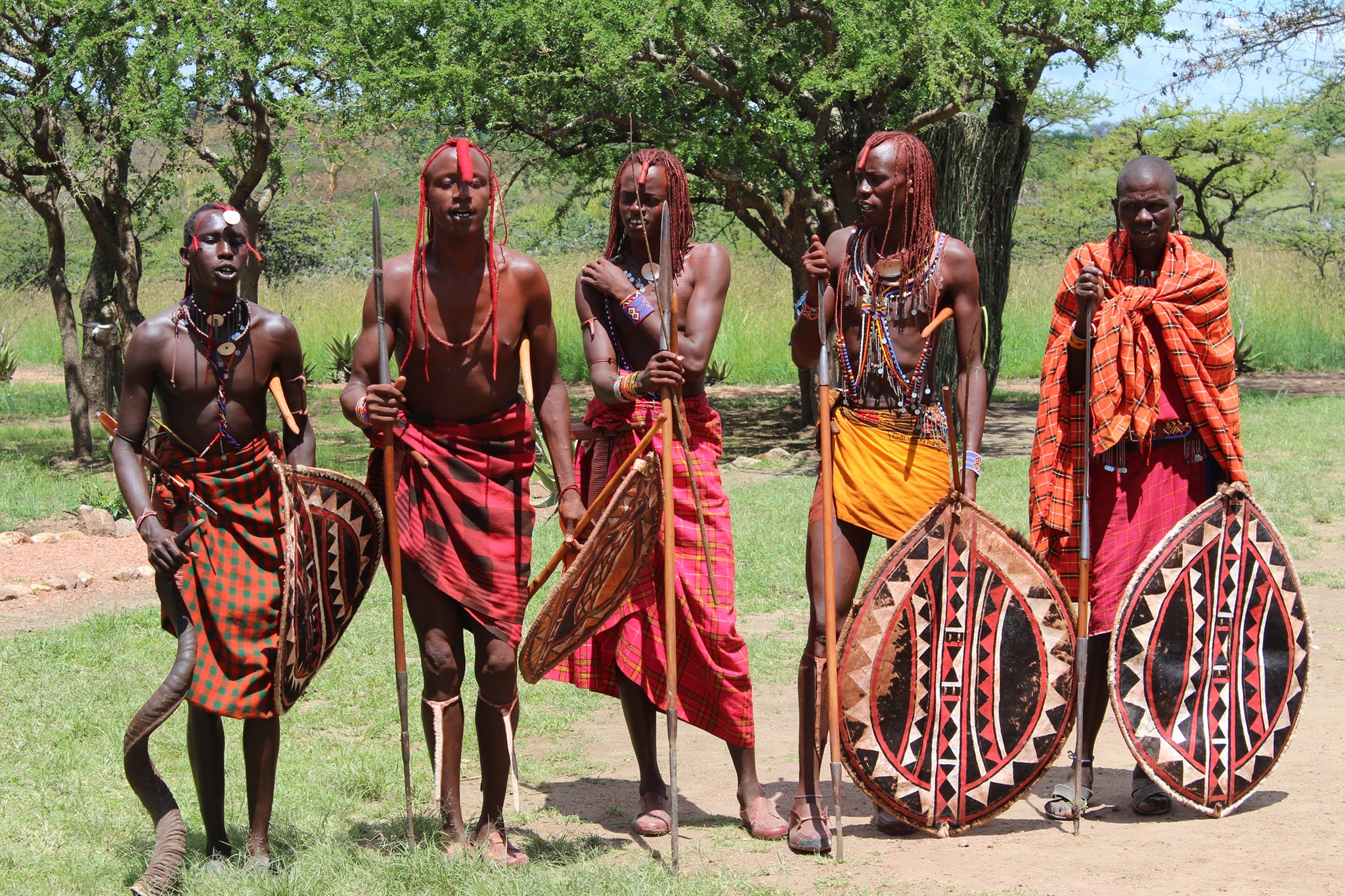
The single most significant positive change in the Maasai Mara ecosystem over the past twenty years has been the expansion of private community conservancies from approximately 50,000 acres in 2005 to more than 500,000 acres in 2026. This tenfold increase in protected wildlife habitat outside the national reserve boundary represents the most important conservation development in Kenya’s recent history.
This conservancy expansion reversed the habitat loss trend that aerial surveys from the 1990s had documented with alarm, as Maasai families who had converted traditional grazing land to commercial wheat farming began returning land to wildlife use under lease arrangements that made conservation economically competitive with agriculture. The Mara North, Naboisho, Ol Kinyei, Olare Motorogi, Lemek, and Enonkishu conservancies all either did not exist or were in early development phases in 2005 and now collectively protect more land area than the national reserve itself.
This conservancy expansion has produced measurable wildlife benefits — cheetah populations increased in the northern Mara as off-road vehicle pressure eased and night predation protection improved within conservancy boundaries. Leopard sightings increased as anti-poaching coverage extended to previously unprotected areas. Elephant movement patterns now use conservancy land as a dispersal corridor between the Mara and Loita Hills habitats that was largely unavailable twenty years ago.
The monthly lease payments flowing to Maasai landowners through conservancy agreements represent a financial model that has attracted international academic attention as a replicable template for conservation finance — a study that the Mara twenty years ago, despite its wildlife fame, did not generate from the policy and financing communities.
Wildlife Trends Over Two Decades
Species That Have Increased and Decreased
Lion populations in the Maasai Mara have remained broadly stable over the past two decades. Research from the Mara Predator Conservation Programme and Lion Landscapes documented fluctuations driven by human-lion conflict incidents at the reserve boundary and cub mortality from competing males during coalition changeovers rather than from systematic long-term decline trends.
The conservancy expansion has arguably benefited lion populations on the margin — increasing the territory available to peripheral pride groups that previously competed aggressively at the reserve boundary for space too limited for all resident prides. Cheetah populations show a moderate upward trend in the conservancy areas compared to twenty years ago, reflecting improved conditions in the conservancies rather than changes in the national reserve’s cheetah numbers, which have remained relatively stable despite increased vehicle pressure.
Wildebeest populations in the broader Serengeti-Mara ecosystem have remained at approximately 1.3 to 1.5 million animals throughout the past twenty years after recovering from declines in earlier decades. Tanzania’s core Serengeti calving and grazing areas drive these numbers rather than changes in the Kenyan Mara. What has changed is the pattern of use — drought years in the 2000s and 2010s produced marked variations in the numbers of wildebeest that reached Kenya and in the timing of their arrival, demonstrating that climate variability affects the migration’s Kenya component through rainfall patterns in Tanzania whose consequences propagate north through the herd’s movement.
The Mara’s permanent wildlife population — resident elephants, buffalos, topi, and the predators that feed on them — has remained generally stable despite increased tourism pressure, partly because the conservancy expansion has added net habitat to the ecosystem even as the national reserve’s vehicle pressure has intensified.
Land Use Changes at the Mara’s Boundaries
Agricultural encroachment along the Mara ecosystem’s boundaries has continued despite the conservancy expansion. Wheat farming in the Transmara and Loita Hills regions remains economically attractive to landowners who have not entered conservancy agreements. The land available to wildlife outside the formally protected area has declined consistently since the aerial surveys that documented the 1970s ecosystem extent. The rate of loss has slowed but not reversed in areas where conservancy lease payments have made wildlife economically competitive with crops.
The boundary communities between protected and unprotected land represent the conservation frontier where the next twenty years of the Mara’s history will unfold — successful expansion of conservancy arrangements into these areas will extend the recovery trend, while failure to offer competitive alternatives to agriculture will accelerate the fragmentation of the dispersal corridors that the current expansion has begun to restore.
Human settlement along the Mara River’s community land sections outside the reserve has increased with Kenya’s population growth, adding pressure to a riparian corridor that serves as a dry-season wildlife refuge for species that depend on the river’s year-round water. Increased demand for river water from upstream agricultural use has reduced dry-season flows in some years below the levels that historical records document, affecting hippo pool depths and riparian vegetation that depends on periodic flooding.
These upstream water use changes arise from population and agricultural growth far beyond the Mara watershed’s boundaries and represent the category of conservation threat that local conservancy management — focused on the immediate ecosystem — cannot directly address without broader watershed policy engagement that operates at a national and transboundary scale.
The Mara’s Future: Challenges and Opportunities
What Determines the Next Twenty Years
Tourism Management and Carrying Capacity
The Kenya Wildlife Service and county government authorities responsible for the Maasai Mara National Reserve have maintained a vehicle management system that responds to visitor complaints about crowding with periodic enforcement of vehicle limits at single sightings. The limit of five vehicles per sighting theoretically exists but rarely gets enforced in practice during peak season when revenue pressure outweighs experiential and ecological management priorities. The private conservancies have proved more successful at enforcing limits precisely because their business model depends on the quality of the exclusive experience that low vehicle numbers deliver.
Camps that allow crowding risk losing the premium pricing that justifies their conservancy fee structure. This institutional difference between the national reserve and the private conservancies will likely widen over the next twenty years as the premium market continues migrating toward conservancy camps and the national reserve increasingly serves the volume market at lower price points.
Climate change projections for East Africa suggest increased rainfall variability across the region over the coming decades, with more intense dry seasons interspersed with heavier and more concentrated rainfall events. For the Mara ecosystem, this variability affects the wildebeest migration timing, the grass growth cycles that determine wildlife distribution across the dry season, and the river flow patterns that support hippo populations and riparian habitat.
Camps and conservancies that adapt their operations to these variability patterns — flexible camping locations that follow wildlife concentrations across a larger territory, water management infrastructure that maintains dry-season resources during extended droughts — will deliver better guest experiences and better conservation outcomes than those that maintain static operations designed for the historically predictable seasonality that climate projections suggest will become less reliable.
Plan Your Safari
Understanding how the Mara has changed and what this means for where to stay and when to visit transforms itinerary planning from a generic choice between branded camp options into an informed decision about which part of the ecosystem currently delivers the experience you are seeking. African Wild Trekkers tracks these changes continuously and advises guests on camp selection, conservancy versus reserve positioning, and seasonal timing based on current conditions rather than historical generalisation.
The package covers camp selection based on current wildlife density and vehicle pressure data, conservancy access to avoid the national reserve crowding that peak season produces, internal flights, park and conservancy fees, and specialist guide briefings on the ecosystem’s current state and trajectory. Pre-trip context about the Mara’s conservation challenges and the camps that address them most effectively is provided with every itinerary.
Contact African Wild Trekkers at africanwildtrekkers.com/contact with your travel dates and priorities and we will design your Maasai Mara itinerary based on the ecosystem’s current best conditions within 24 hours.