Chimpanzees Uganda Gorillas Rwanda Big Five Kenya: One Month East Africa
One Month in East Africa: The Complete Wildlife Journey
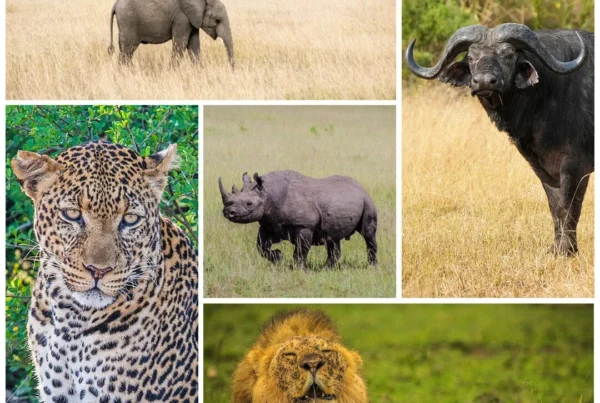
A full month in East Africa is the definitive commitment to experiencing the region’s wildlife at its deepest and most varied. With thirty days to work with, a one-month itinerary across Uganda, Rwanda. And Kenya can include habituated chimpanzees in Kibale Forest, mountain gorillas in Bwindi Impenetrable Forest and Rwanda’s Volcanoes National Park. And the Big Five in Kenya’s Masai Mara and Amboseli.
It also provides enough time to slow down at each destination and develop genuine relationships with the landscapes and wildlife rather than racing between checklist experiences. One month lets you spend three days with the chimpanzees rather than one, attempt the gorilla trek twice for a second family encounter. And spend a week in the Masai Mara watching the same lion pride across multiple mornings.
This guide outlines a specific thirty-day East Africa structure that covers all three countries’ primary wildlife priorities in sufficient depth. It addresses the logistics of moving between Uganda, Rwanda, and Kenya across a month and explains the specific wildlife experiences available at each stage that make this combination more than the sum of its individual country visits. The guide targets travellers who have genuinely set aside a month for Africa and want to understand how to use that time at maximum depth and quality.
Days 1-10: Uganda — Chimpanzees and Queen Elizabeth
The Primate and Savannah Opening
Kibale Forest: The Chimpanzee Chapter
Uganda’s Kibale National Park holds the highest density of chimpanzees of any forest in East Africa. An estimated 1,500 individuals in a forest of 766 square kilometres. The habituated research communities accessible to visitors produce some of the most reliable and intimate chimpanzee trekking experiences in Africa. With ten days in Uganda and a comfortable pace, spending three to four nights in the Kibale area allows multiple trek sessions: the standard morning chimpanzee trek, the afternoon chimp habituation experience (which allows longer observation time with a family still in the habituation process).
And the primate walk that covers the full range of Kibale’s twelve primate species. Multiple mornings in the forest also let you experience the quiet morning hours when chimpanzee vocal activity peaks. The haunting pant-hoot calls echo through the canopy before sunrise and create a genuinely immersive sound environment rather than an incidental background to the trek.
After Kibale, Queen Elizabeth National Park in the western Rift Valley provides the Uganda savannah experience: tree-climbing lions in the Ishasha sector (a behaviour occurring mainly in this one location and in Manyara, Tanzania), the Kazinga Channel boat cruise with hippos and waterbirds at extraordinary concentration. And open savannah game drives in the main park area. Three nights at Queen Elizabeth covering both the northern Mweya sector and the southern Ishasha sector provides the full range of the park’s distinctive wildlife character and a satisfying savannah complement to the forest primate experience of Kibale. The Uganda leg ends with a transfer to Bwindi Impenetrable Forest for the gorilla chapter.
Days 11-14: Uganda to Rwanda — Mountain Gorillas on Both Sides
The Great Ape Climax
Bwindi Gorillas and the Rwanda Border
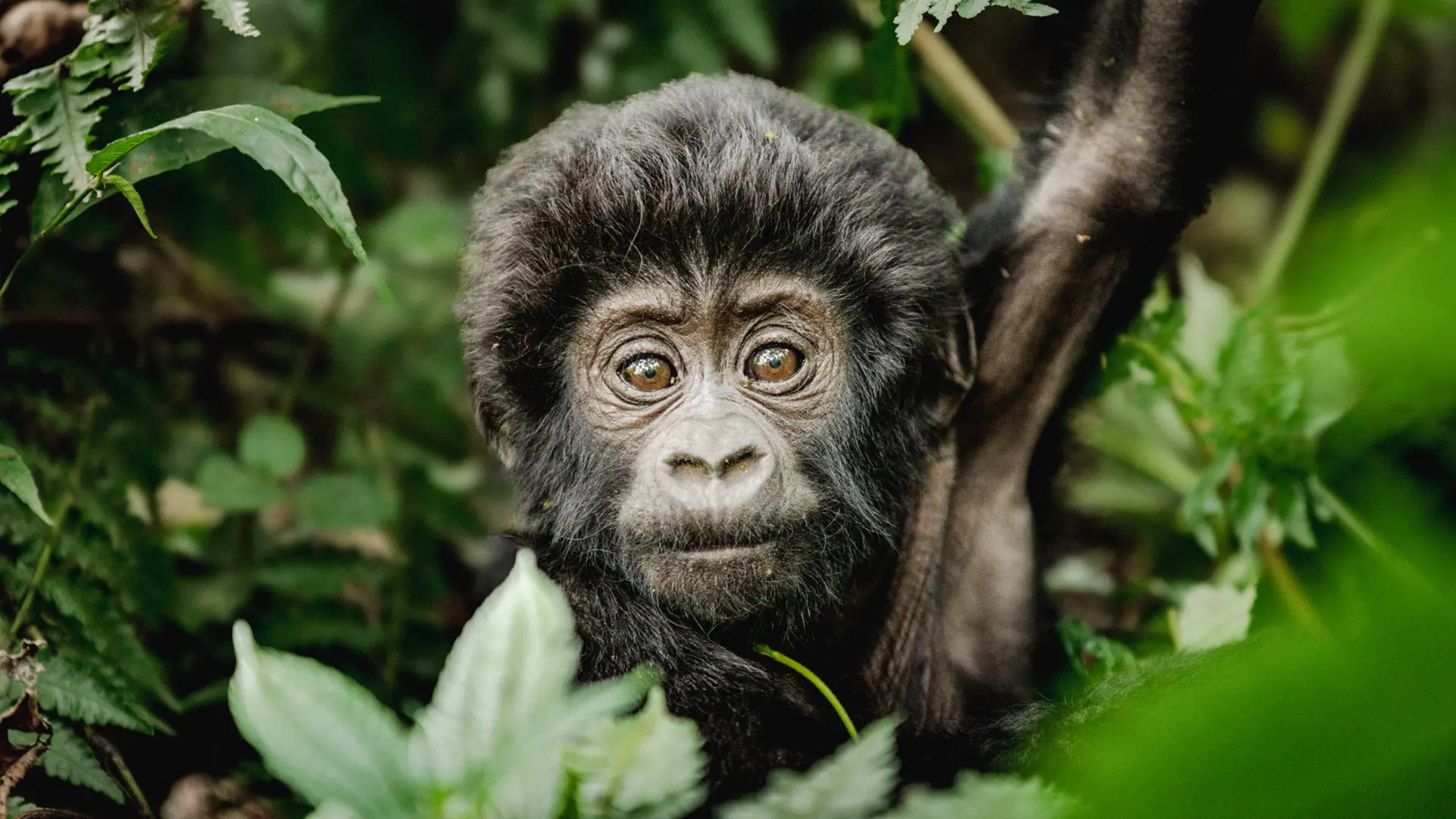
Days 11 and 12 at Bwindi Impenetrable Forest in southwest Uganda represent the emotional culmination of the Uganda leg. The Bwindi gorilla trek — through dense, steep Afromontane forest to find one of the several habituated families — delivers an encounter of the specific character described in full in the chimpanzee-versus-gorilla comparison guide: the overwhelming physical presence of the silverback, the family social dynamics visible during the one-hour observation. And the sustained eye contact that most visitors describe as the most emotionally significant single moment of their entire East Africa journey.
With two Bwindi trek days (Day 11 morning and Day 12 morning if a second permit is available), the experience deepens. Different families occupy different terrain. And a second gorilla encounter often produces the specific observations you missed on the first.
Days 13 and 14 cross into Rwanda. The border between Uganda’s Bwindi area and Rwanda’s Volcanoes National Park region is approximately 3 to 4 hours by road. Where the gorilla experience continues in a different ecological context. The Virunga volcano terrain provides an alpine grassland approach to the forest edge quite distinct from Bwindi’s dense rainforest start.
The Rwanda gorilla families include some of the most frequently photographed and documented individuals in mountain gorilla conservation history. A single Rwanda gorilla trek day at Volcanoes National Park on Day 14 completes the great ape chapter with a perspective that meaningfully complements the Uganda experience rather than simply duplicating it.
Days 15-30: Kenya — Masai Mara, Amboseli, and the Big Five
The Savannah Grand Finale
Kenya’s Safari Circuit in the Context of a Full Month
With fifteen days available for Kenya after the Uganda and Rwanda primate chapters, the Kenya leg of a one-month East Africa itinerary has room for the depth of immersion that most Kenya safari visitors cannot achieve on shorter trips. The allocation across Kenya’s major safari areas works well as follows: seven nights in the Masai Mara across two conservancy areas (three nights Naboisho, four nights Olare Motorogi), four nights at Amboseli for the Kilimanjaro elephant experience. And four nights at Laikipia Plateau in northern Kenya for the black rhino encounter that neither the Mara nor Amboseli reliably provides.
This three-area Kenya circuit covers the full range of Kenya’s savannah wildlife. Migration herds and big cats in the Mara, elephant-mountain drama at Amboseli. And the rare rhino, wild dog, and large predator populations of the Laikipia private conservancies. In the depth that a week-long Kenya visit simply cannot achieve.
Seven Masai Mara nights across two conservancies provides the sustained wildlife relationship that serial sighting creates. Finding the same cheetah family on mornings three through seven, watching a pride hunt develop across the week as you understand the individual animals by description from your guide. The lion, cheetah, leopard, and wild dog sightings that feel like lucky encounters on a three-night visit become understood patterns of movement and behaviour across seven days.
The quality of wildlife observation reaches a level of interpretive depth that extended stays produce and short visit schedules cannot. Ending the one-month itinerary in Nairobi with a final night at a good city hotel and adequate time to pack and reorganise closes the journey with a morning at the Karen Blixen Museum. Where the literary and historical context of East Africa’s European settlement era invites a different kind of reflection on the thirty days just experienced.
Plan Your Safari
A one-month East Africa safari across Uganda, Rwanda, and Kenya requires coordinated booking of multiple gorilla permits across two countries. Uganda at USD 800 per person and Rwanda at USD 1,500 per person. Plus a full Kenya safari package with private conservancy bookings that sell out six to twelve months ahead for peak season dates.
One integrated itinerary document and a single point of contact across the full thirty days makes the logistics most manageable. And a single East Africa operator with active partnerships in all three countries provides this efficiently. Budget planning for a one-month trip at mid-range to luxury accommodation typically ranges from USD 15,000 to 30,000 per person plus international flights depending on accommodation tier and conservancy camp selections.
African Wild Trekkers coordinates the Tanzania and Kenya legs of multi-country East Africa itineraries and manages Uganda and Rwanda components through established regional partner operators. Contact us for a complete one-month East Africa proposal tailored to your specific wildlife priorities and travel dates.
Contact African Wild Trekkers at africanwildtrekkers.com/contact with your one-month travel dates and we will design your complete East Africa itinerary and confirm all permit and camp availability within 24 hours.