Crocodile Facts on the Nile: Discover Africa’s Powerful River Predator
The Nile crocodile is one of Africa’s most impressive reptiles and one of the largest crocodile species in the world. It has lived in African rivers and wetlands for millions of years, making it one of the continent’s oldest surviving predators.
Known for its powerful jaws, armored body, and remarkable patience, the Nile crocodile is an important part of freshwater ecosystems. It helps maintain healthy fish and wildlife populations while playing a key role in the natural food chain.
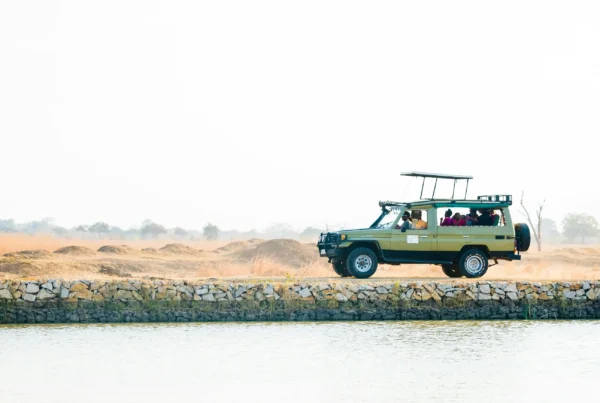
Visitors on boat safaris along the Nile often see these remarkable reptiles resting on riverbanks or quietly floating beneath the water’s surface.
Where Do Nile Crocodiles Live?
Nile crocodiles are found across much of sub-Saharan Africa. They live in rivers, lakes, swamps, marshes, and wetlands where fresh water is available throughout the year.
Some of the best places to see Nile crocodiles include Murchison Falls National Park and Queen Elizabeth National Park in Uganda, the Mara River in Kenya and Tanzania, the Nile River in Uganda, Zambia’s Luangwa River, Botswana’s Okavango Delta, and several rivers in southern Africa.
They prefer habitats that provide access to water, basking areas, and abundant prey.
How Big Can a Nile Crocodile Grow?
The Nile crocodile is among the largest reptiles on Earth. Adult males can grow over five meters long, while females are generally smaller.
Large males may weigh more than 500 kilograms, although exceptionally large individuals can exceed this weight. Their muscular tails provide powerful swimming ability, while their thick scales protect them during fights and hunting.
What Do Nile Crocodiles Eat?
Nile crocodiles are carnivores with a highly varied diet. Young crocodiles feed on insects, frogs, fish, and small reptiles before gradually moving to larger prey as they grow.
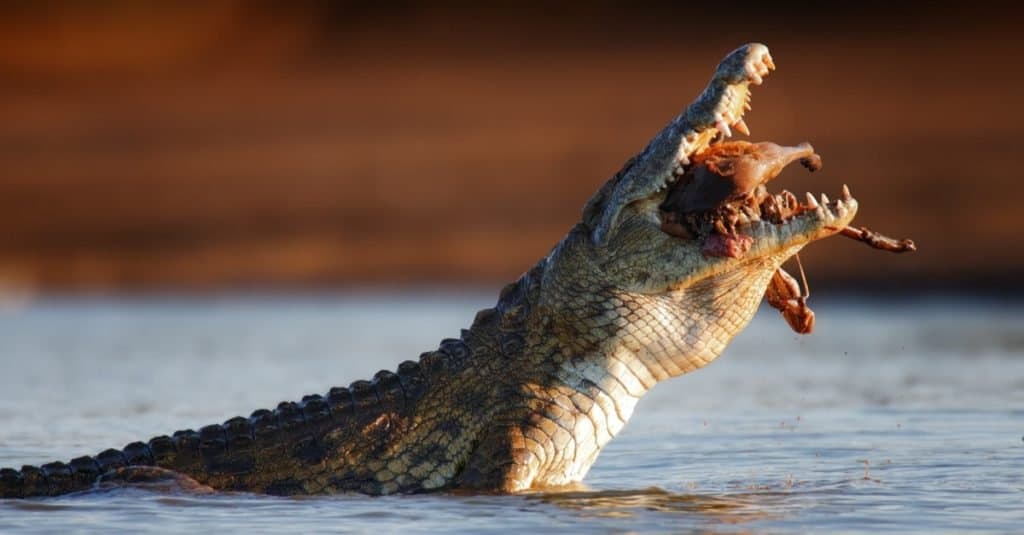
Adult crocodiles hunt fish, birds, antelopes, zebras, wildebeest, and other animals that approach the water to drink. They are opportunistic predators and take advantage of any suitable prey within reach. During the Great Wildebeest Migration, crocodiles along the Mara River often capture animals attempting to cross the river.
How Do Nile Crocodiles Hunt?
The Nile crocodile is an ambush predator. It remains almost completely submerged with only its eyes and nostrils visible above the water. When prey comes close, the crocodile launches a sudden attack using incredible speed and powerful jaws. It grips the animal firmly before pulling it into the water.
Large crocodiles may perform the famous “death roll,” spinning rapidly to tear apart large prey that cannot be swallowed whole. Their patience is remarkable, and they may wait for hours before making a single attack.
Amazing Adaptations of Nile Crocodiles
Nile crocodiles have several adaptations that make them successful hunters. Their eyes, ears, and nostrils sit on top of their heads, allowing them to stay almost completely hidden while watching their surroundings.
A special transparent eyelid protects their eyes underwater without blocking vision. Their sensitive skin can detect tiny vibrations in the water, helping them locate nearby prey. Their powerful bite is one of the strongest in the animal kingdom, allowing them to capture and hold struggling animals with ease.
Nile Crocodile Reproduction
Female Nile crocodiles build nests on sandy riverbanks during the breeding season. They lay between 25 and 80 eggs, depending on their size and age.
Unlike many reptiles, female crocodiles guard their nests from predators until the eggs hatch. When hatchlings begin calling from inside the eggs, the mother carefully digs them out and may gently carry them to the water in her mouth. Although parents protect young crocodiles during their first weeks, many hatchlings become prey for birds, fish, monitor lizards, and larger crocodiles.
Are Nile Crocodiles Dangerous?
Nile crocodiles are powerful wild animals and should always be treated with caution. They defend their territory and may attack if people approach too closely or enter the water where crocodiles are present.
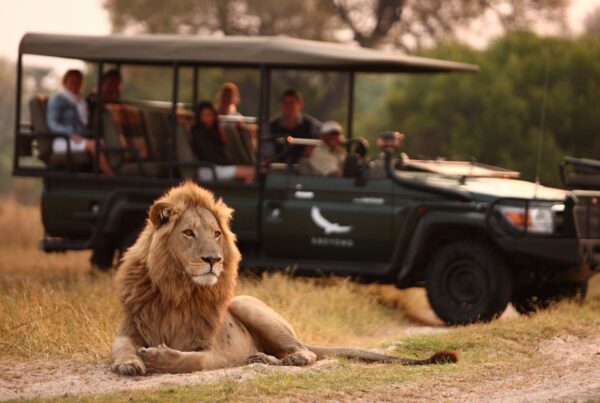
Most incidents occur when people swim, fish, or collect water in crocodile habitats without recognizing the risks. Visitors on safari remain safe by following park regulations and listening carefully to experienced guides.
Crocodile Safety Tips During a Safari
The safest way to observe Nile crocodiles is from a guided boat safari or designated viewing area. Visitors should never leave marked paths or approach crocodiles resting on riverbanks.
Swimming in rivers or lakes known to contain crocodiles should always be avoided unless local authorities confirm it is safe. Maintaining a respectful distance allows visitors to enjoy excellent wildlife viewing while protecting both themselves and the animals.
Nile Crocodiles and Conservation
Although Nile crocodiles remain widespread across Africa, some populations face threats from habitat destruction, pollution, illegal hunting, and conflicts with humans.
Protected national parks, wildlife reserves, and conservation programs help preserve crocodile habitats and maintain healthy ecosystems. Responsible tourism also contributes to conservation by supporting protected areas and encouraging wildlife education.
Best Places to See Nile Crocodiles
Uganda’s Murchison Falls National Park offers outstanding opportunities to observe large Nile crocodiles along the Victoria Nile. Boat cruises to the base of Murchison Falls often provide close but safe sightings.
The Mara River in Kenya and Tanzania is another famous destination, especially during the Great Wildebeest Migration when dramatic river crossings attract large crocodiles. Other excellent locations include Queen Elizabeth National Park in Uganda, Botswana’s Okavango Delta, Zambia’s South Luangwa National Park, and Namibia’s Zambezi Region.
Plan Your Nile Crocodile Safari
A Nile crocodile safari offers an unforgettable opportunity to observe one of Africa’s oldest and most powerful predators in its natural habitat. Watching these ancient reptiles bask along riverbanks or silently patrol the water reveals the remarkable adaptations that have allowed them to survive for millions of years.
Whether exploring the Nile River, the Mara River, or Africa’s great wetlands, seeing a Nile crocodile is an experience that highlights the incredible diversity of African wildlife.