Maasai Mara Conservancies Versus the National Reserve
The Structural Differences That Drive Better Sightings
Off-Road Driving: The Single Biggest Advantage
Kenya Wildlife Service regulations prohibit off-designated-track driving within the Maasai Mara National Reserve. The rule protects habitat from uncontrolled vehicle movement, but it places hard limits on wildlife encounter quality inside the reserve boundary. When a cheetah hunts 30 metres off a reserve track, the national reserve guide must watch from the track and hope the action moves close enough to follow. When a leopard sits in a tree 50 metres into the riverine bush, the reserve vehicle cannot approach beyond the track edge. These constraints rarely appear in marketing materials or pre-departure briefings, but they become immediately apparent to any guest who then experiences a conservancy game drive where the guide drives directly to the subject’s position regardless of whether a track exists there.
Off-road driving allows guides to position vehicles for the best viewing and photography angle at any sighting — downwind of a predator at a kill, level with a lion pride in a lugga, parallel to a cheetah’s hunting approach across open grass. This positional freedom transforms adequate sightings into exceptional ones and makes a conservancy game drive functionally incomparable to a national reserve drive of the same duration. The same guide, operating in both environments, produces consistently better results in the conservancy — not because skill changes, but because the freedom to apply it does.
Night Drives and the Nocturnal Ecosystem
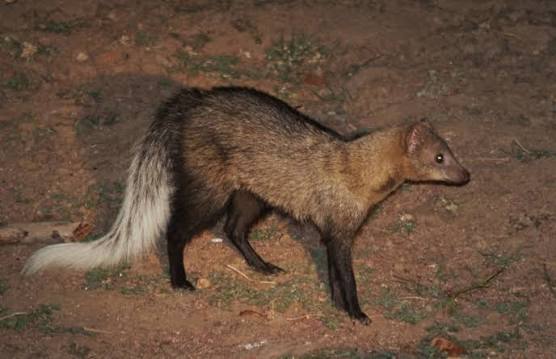
Night drives in Mara conservancies after 18:30 reveal a parallel ecosystem invisible to the daytime safari. Aardvarks emerge from their burrows after dark to excavate termite mounds in activity that looks comical and industrious simultaneously. Civets and genets patrol the riverine forest with a predator efficiency that daytime camp-boundary glimpses never confirm. Spring hares bound across the spotlight beam in kangaroo-like leaps that cover five or six body lengths per bound — a gait evolved specifically for high-speed nocturnal travel with no visual parallel in the daytime ecosystem. These species stay active through the night while daytime guests remain in camp, unaware of the movement surrounding them.
Predators at night show behaviour completely different from their daytime resting patterns. Lions that spent the afternoon sleeping on a kopje become active hunters by 20:00, roaring in communications that carry five kilometres in still air and coordinating hunts that darkness makes difficult for guests to follow but that experienced guides track through prey animal sounds, pride movement direction, and the sudden silence that sometimes precedes a successful kill. Leopards descend from carcasses stored in acacia trees under cover of darkness and patrol territory boundaries in circuits that experienced guides know from years of observation. Positioning the vehicle at a specific point on a known route increases the chance of a close leopard encounter substantially compared to random search driving.
Conservancy-by-Conservancy Guide
Mara North, Naboisho and Ol Kinyei
Mara North Conservancy on the reserve’s northern boundary covers approximately 63,000 acres of prime Mara ecosystem wildlife habitat. Maasai families in the Lemek area lease this land to a consortium of camps including Elephant Pepper, Offbeat Mara, and Mahali Mzuri. The conservancy’s northern position means the migration arrives last, in August and September, after crossing the reserve boundary earlier in July. But the permanent wildlife population of lions, cheetahs, leopards, and elephants provides year-round activity that makes non-migration months genuinely rewarding. Mara North’s flat open plains suit cheetah viewing particularly well. Multiple resident coalitions and females with cubs make cheetah the conservancy’s signature sighting year-round regardless of season.
Naboisho Conservancy, 50,000 acres east of the Mara reserve boundary, supports one of the highest lion densities in East Africa and runs one of the most transparent community development programmes in the ecosystem. Camps operating within Naboisho include Encounter Mara and Sala’s Camp, both known for the long tenure of their guide teams and the animal knowledge that comes from following specific individuals over years rather than weeks. Ol Kinyei Conservancy south of Naboisho hosts Porini Lion Camp and maintains a smaller, quieter wildlife environment than the more heavily promoted conservancies to the north — a characteristic that suits travellers who prioritise solitude over the comprehensive activity programmes that larger conservancies offer.
Olare Motorogi and the Mara Triangle
Olare Motorogi Conservancy covers 35,000 acres immediately north of the Maasai Mara National Reserve boundary and operates as one of the ecosystem’s most meticulously managed private wildlife areas. The conservancy limits total guests across its operating camps to a level that keeps vehicle numbers at any single sighting consistently below five. Camp operators enforce this constraint with genuine conviction rather than treating it as a marketing point that flexibility erodes in practice. Olare Motorogi’s management committee includes representatives from each operating camp who jointly make decisions about camp locations, track maintenance, burning schedules, and anti-poaching operations.
The Mara Triangle occupies the western section of the Maasai Mara National Reserve between the Mara River and the Siria Escarpment. The Mara Conservancy, a non-governmental organisation, took over management from the local county council in 2001 and now manages the area separately from the main reserve. The Triangle charges standard KWS fees rather than conservancy levies, but its independent management has produced conservation outcomes comparable to the best private conservancies — vehicle limits at major sightings, active anti-poaching, and track maintenance that prevents the erosion visible in the heavily visited eastern reserve sections. Camps near the Triangle — Governors’ Il Moran, Serian River Camp, and &Beyond Bateleur Camp — access this better-managed area and deliver a wildlife experience quality that exceeds the main reserve despite the national park regulatory framework.
Choosing Between Conservancies
How to Match a Conservancy to Your Priorities
Wildlife Priorities and Conservancy Specialisms
Different Mara conservancies develop reputations for specific wildlife specialisms that reflect the habitat within their boundaries, the animal populations that have established territories there, and the focus of the guide teams who operate in each area. Mara North’s open plains and cheetah population make it the strongest conservancy for cheetah viewing and photography. Olare Motorogi’s proximity to the reserve boundary and the Mara River makes it optimal for migration river crossing access alongside conservancy-quality exclusivity. Naboisho’s lion density and community development transparency attract conservation-focused travellers who want exceptional predator sightings and clarity about where their conservancy fees go. Matching these specialisms to your wildlife priorities produces a better conservancy choice than selecting based on brand recognition alone.
The time of year affects which conservancy delivers the best value for a specific visit window. During peak migration from late July through October, all conservancies adjacent to the reserve receive wildebeest and predator concentrations that reduce wildlife differences between them compared to non-migration months. In November through June, the conservancy’s permanent wildlife population determines sighting quality entirely. Variation between conservancies in lion pride size, cheetah presence, and leopard territory coverage becomes the determining factor in choosing where to stay. Your operator’s current intelligence about specific animal activity in each conservancy at the time of your visit provides a more accurate basis for selection than any generalised description of annual characteristics.
Plan Your Safari
Choosing the right Maasai Mara conservancy from the dozen or more operating options requires understanding current wildlife activity, camp availability, and conservation quality in each area at the time of your visit. African Wild Trekkers maintains this knowledge through active guide relationships and regular camp visits across the Mara ecosystem, and applies it directly to conservancy selection for each guest’s specific travel dates.
The package covers conservancy camp accommodation with all fees included, internal flights to the appropriate Mara airstrip for your conservancy, game drives in both the conservancy and national reserve where the itinerary includes both, and the full range of conservancy activities including night drives and walking safaris. The conservancy recommendation comes with a clear explanation of why that specific area matches your wildlife priorities and travel dates better than the alternatives.
Contact African Wild Trekkers at africanwildtrekkers.com/contact with your travel dates and Mara priorities and we will recommend the best conservancy for your safari within 24 hours.