Cottars 1920s Safari Camp: An Introduction
The Heritage and Concept Behind the Camp
The Cottars Family Legacy in East Africa
Cottars 1920s Safari Camp draws its name and aesthetic from a century of Cottar family history in East African safari. Charles Cottar arrived in East Africa in 1910 and built one of the region’s first professional safari operations. The word “safari” then described genuine expeditions of weeks or months into wild country, not the five-night tented packages that define the modern industry. The family’s involvement in East African conservation and guiding has continued across four generations. Calvin and Louise Cottar now operate the current camp in a private conservancy bordering the Maasai Mara National Reserve’s southeastern boundary. This genuine historical connection to early safari culture distinguishes Cottars from camps that adopt a 1920s aesthetic through interior design alone, without any real historical claim to the era they reference.
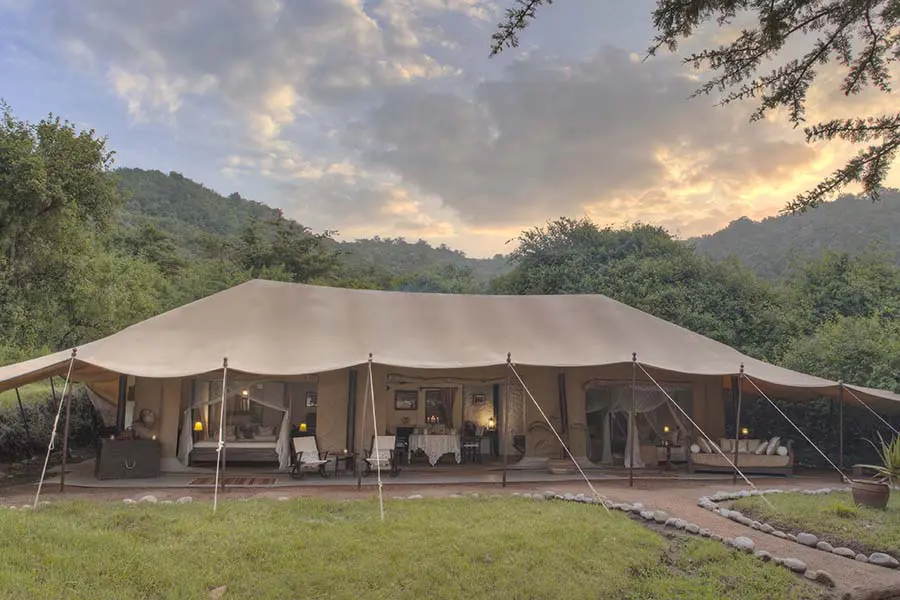
The camp executes the vintage safari concept at the highest level of material quality and historical authenticity. Antique furniture, canvas tents with period-appropriate fittings, genuine bush bath experiences with copper tubs, and hurricane lamps instead of electric lighting all define the atmosphere. Staff deliver hot water to copper tubs by hand. The guiding team wears uniforms that match the camp’s printed materials and vehicle styling, creating a total environment that feels researched and genuinely appreciated rather than superficially nostalgic. The camp attracts guests who find sparse canvas and candlelight more evocative than the architect-designed contemporary lodges dominating the Mara’s luxury segment.
Location in the Olderkesi Conservancy
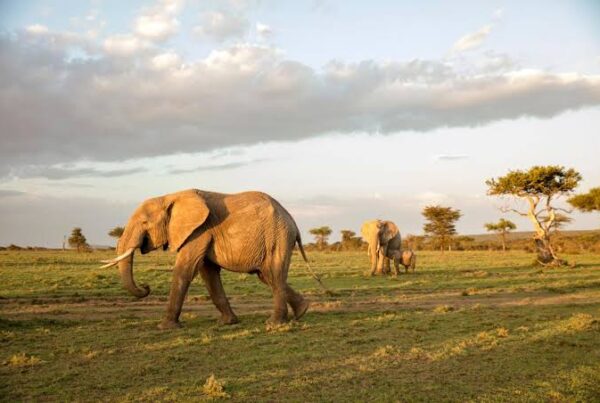
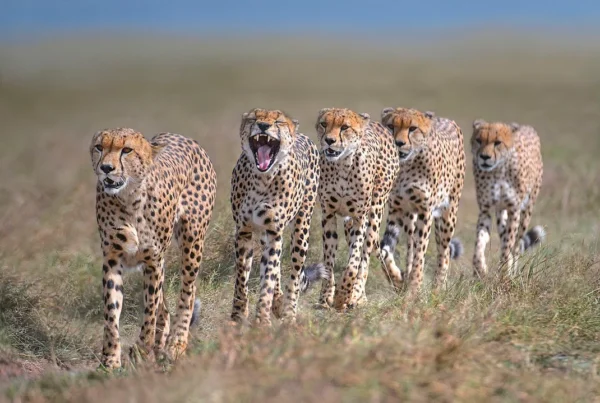
Cottars sits in the Olderkesi Conservancy immediately south and east of the Maasai Mara National Reserve boundary. This position gives the camp access to both the conservancy’s private wilderness and the national reserve’s broader game populations across one continuous territory. The conservancy receives the same wildlife as the adjacent national reserve — wildebeest migration, resident big cats, elephants, and a full supporting cast of plains species — while allowing off-road driving, night game drives, and bush walks that the national reserve’s regulations prohibit. The camp’s setting in rolling grassland with scattered acacia and lugga riverine forest provides more topographic variety than the Mara Triangle’s open plains, creating landscapes that photograph differently from the wide-open views available elsewhere in the ecosystem.
The Olderkesi Conservancy appears less frequently in mainstream Kenya safari marketing than Mara North, Naboisho, or Ol Kinyei. As a result, the conservancy’s wildlife faces significantly less vehicle pressure than these more promoted areas, even during peak migration season. This lower visitor density preserves genuine solitude at game sightings — something crowded reserve sections cannot offer regardless of camp quality. Travellers who find ten vehicles at a single sighting incompatible with immersive safari find that Cottars’ conservancy position solves the problem structurally rather than superficially.
The Safari Experience at Cottars
Guiding Standards and Wildlife Access
Cottars employs a small team of dedicated guides whose tenure in the Olderkesi Conservancy spans years rather than seasons. That tenure builds individual animal knowledge and territory familiarity that characterises the best Kenya guiding at any price point. The camp enforces a strict maximum of four guests per vehicle, giving each guest the space and quiet necessary for genuine engagement at close sightings rather than jostling for position in a fuller vehicle. Couples or families can arrange a private vehicle at additional cost, converting the game drive into a personal encounter guided entirely by one party’s own interests and pace.
Bush walks at Cottars venture into the conservancy’s lugga forest and open grassland with armed rangers. These rangers know the specific animal patterns, terrain features, and ecological processes of the Olderkesi area well beyond standard KWS-certified walking guide skills. The walks emphasise natural history interpretation at the small-scale detail level that vehicle safaris cannot deliver — soil composition, insect ecology, plant identification, and reading animal signs that reveal who passed through and when. These interpretive elements transform a walk from physical exercise into intellectual engagement with the ecosystem, leaving guests with a deeper understanding of the bush than any number of vehicle drives produces alone.
Food, Accommodation and Service
Accommodation at Cottars consists of eight tented suites and one family cottage. Each suite has a private veranda, copper bathtub, and period furnishings that deliver genuine comfort within the vintage aesthetic rather than sacrificing function to style. Tent sizes at Cottars exceed those of most Mara competitors at equivalent price points, with separate sleeping and dressing areas and the spatial generosity that allows two people to move around simultaneously. The copper bathtubs and outdoor shower options position bathing as a deliberate pleasure — a hot bath under a canvas roof, bush sounds at dusk, and soft hurricane lamp light create a sensory experience that guests consistently describe as unexpectedly moving.
The kitchen prepares three-course dinners in the dining tent, lit entirely by candles and hurricane lamps. Guests can share a communal table or eat at private tables. The kitchen sources produce locally where possible and prepares menus referencing both Kenyan culinary traditions and international palates, without defaulting to the generic safari buffet that larger production-scale camps rely on. After morning drives, the team serves bush breakfasts at conservancy viewpoints chosen for wildlife proximity or landscape composition, extending the same food quality into the field as a ritual rather than a practical mealtime.
Practical Information for Booking Cottars
Rates, Inclusions and How to Book
Current Rates and What Is Included
Cottars 1920s Safari Camp rates in 2026 range from approximately USD 1,000 to USD 1,800 per person per night, fully all-inclusive. This positions the camp at the upper level of Mara pricing, consistent with its small size, high service ratio, and conservancy exclusivity. All rates include every meal, all game drives, conservancy fees, bush walks, and night drives. Activities that many camps charge as supplements arrive at Cottars as standard inclusions. The family cottage suits groups of up to four and provides the camp’s complete experience without splitting parties between multiple tented suites.
Peak season surcharges apply during the July through October migration window, with the highest rates concentrated in August and September. Securing a booking for this period requires advance reservation of twelve to eighteen months, given the camp’s limited eight-suite inventory. Shoulder season — June, November, and the New Year period — offers noticeably lower rates with minimal reduction in wildlife quality. The conservancy’s predator population and general game diversity remain strong through these months. This November window represents excellent value for travellers whose priority is wildlife quality over migration spectacle. The camp closes for maintenance during April and May in most years.
Plan Your Safari
Cottars 1920s Safari Camp suits travellers for whom the atmosphere of the bush experience matters as much as wildlife density. The camp delivers excellent game viewing, but its distinctiveness lies in the aesthetic totality of the vintage safari experience that no other Mara camp replicates at this level of execution. African Wild Trekkers recommends Cottars as the primary Mara base for travellers whose priorities include atmosphere, guiding quality, and conservancy exclusivity alongside conventional wildlife sightings.
The package covers Cottars accommodation, internal flights from Nairobi to the Mara’s southeastern airstrips, ground transfer to the camp, and connections to other destinations in your Kenya itinerary. Pre-trip briefings on current wildlife activity in the Olderkesi Conservancy come from active guide contacts before your departure date.
Contact African Wild Trekkers at africanwildtrekkers.com/contact with your travel dates and we will confirm Cottars availability and build your Maasai Mara itinerary within 24 hours.