Serengeti National Park: An Overview
Why the Serengeti Remains Africa’s Greatest Safari Destination
Scale, Wildlife Density and Ecosystem Integrity
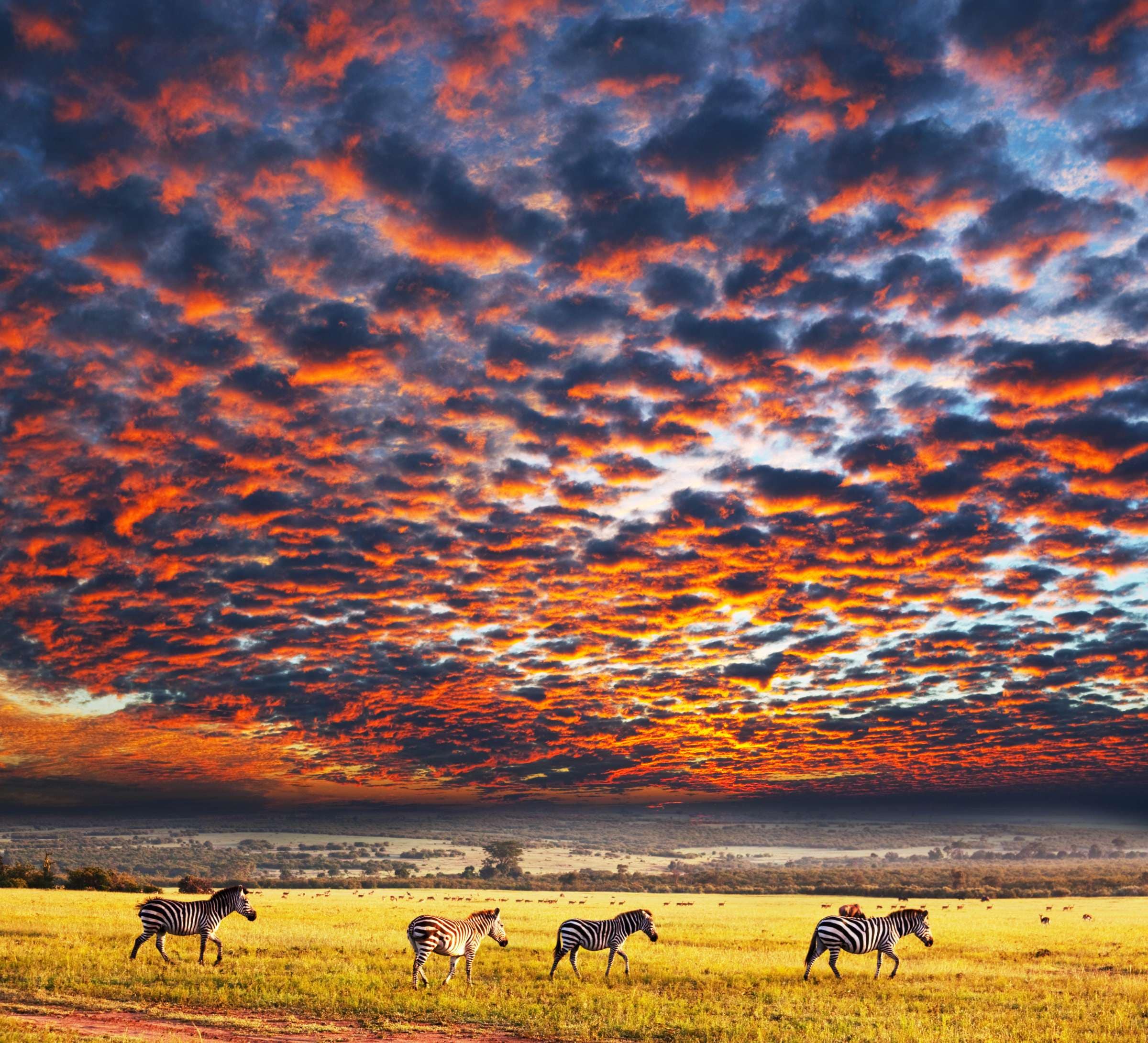
Serengeti National Park covers 14,763 square kilometers of northern Tanzania in what scientists consistently rank as one of the earth’s last intact large mammal migration systems. This designation refers not just to the wildebeest migration but to the complete ecological cycle of predators, prey, scavengers, and decomposers operating at a scale that human land use has eliminated from every other comparable system on the planet. The park’s enormous size means that visitors in different sections of the Serengeti in the same week can experience completely different wildlife dynamics—wildebeest crossings at the Mara River in the north while calving plays out on the short-grass plains of the south, or a pride of lions with cubs in the Seronera Valley while hundreds of thousands of wildebeest move through the western corridor simultaneously. No other African national park provides this combination of size and ecological completeness in a single visit framework.
The Serengeti’s wildlife density benchmarks against which other African destinations measure themselves reflect decades of protection and the ecosystem’s productivity driven by volcanic ash soils that produce the most nutritious grass on the continent. Lion populations in the Serengeti number approximately 3,000 individuals—the largest single-park lion population in Africa—supported by prey densities that translate into reliable, close sightings that first-time safari visitors expect from Africa’s most famous wildlife destination. Leopard populations in the Seronera riverine forest produce regular, close encounters that decades of tourism have facilitated through the habituation of individual cats. Elephant populations that poaching devastated in the 1980s have recovered to approximately 6,000 individuals, with family groups visible throughout the park rather than concentrated in specific zones as they were during the recovery period.
Serengeti’s Geographic Zones and What Each Delivers
The Serengeti divides into four distinct geographic zones whose different vegetation types and topography create different wildlife experiences within a single park. The southern short-grass plains extending from the park boundary through Ndutu to the Gol Kopjes host the wildebeest calving season from January through March and produce the open, flat photography conditions that wide-angle landscape images of the migration require. The central Seronera Valley, with its permanent Seronera River and associated riparian forest, attracts the highest concentration of leopards in the park and maintains consistent wildlife viewing year-round as the valley’s permanent water draws prey and predators regardless of season or migration location. The western corridor, narrowing between the Grumeti and Mara rivers, channels the northward migration through a bottleneck that produces dramatic Grumeti River crossings in May and June before the herd continues north toward Kenya.
The northern Serengeti — the area from Klein’s Gate and Lobo southward to Seronera — receives the southward-moving wildebeest herds between November and December and hosts the migration’s full presence across its northern border during July through October in Kenya’s Maasai Mara ecosystem. Camps in the northern Serengeti at Kogatende and the Lamai Wedge provide the Tanzanian equivalent of the Kenyan Mara Triangle’s river crossing experience. Some northern Serengeti camps maintain this territory with fewer vehicles than the Kenyan side’s camps attract during peak migration season. The northern Serengeti’s rocky kopje country and seasonal water systems also produce excellent wildlife viewing outside migration season as resident lions, leopards, and elephants maintain permanent territories regardless of the wildebeest herd’s location.
When to Visit the Serengeti
Seasonal Calendar and Best Months
The Serengeti operates differently from most African destinations in that wildlife activity remains high year-round—the question is not whether wildlife is present but which specific spectacle is most prominent during any given month. January and February deliver the calving season on the southern plains, with thousands of wildebeest calves born daily in scenes of equal drama to the river crossings but of a completely different emotional register—birth and development rather than peril and survival. March and April bring the long rains that green the southern Serengeti and begin pushing the herd northwest, with the roads in the southern section becoming difficult but the park remaining open and accessible to four-wheel-drive vehicles with experienced guides. May and June deliver the Grumeti River crossings in the western corridor and the migration’s build-up toward the Kenyan crossing season, with lower visitor numbers than the July peak and competitive accommodation rates.
July through October is the Serengeti’s international peak season—driven by the wildebeest crossings in the north and the Kenya Mara crossings that most visitors combine with northern Serengeti stays. August and September produce the highest visitor concentrations and the highest accommodation rates of the year, with the most dramatic river crossing activity concentrated in the northern section. The short rains in November bring the migration southward through the central and western Serengeti in a reversed transit that produces different photographic opportunities and lower visitor numbers than the northward push. December offers the calving season’s early stages beginning on the southern plains alongside Christmas and New Year holiday visitors whose concentration briefly raises occupancy rates at the most popular central Serengeti camps before the January calving peak begins the cycle again.
Best Camps by Zone and Season
Southern Serengeti camps at Ndutu — including &Beyond’s Under Canvas camps and Ndutu Safari Lodge — provide the best base for January and February calving season viewing. They sit within the park boundary’s southern extension that wildebeest calving concentrates around. These camps accept the accommodation trade-off of simpler infrastructure for the extraordinary wildlife access of the calving plains at peak season, and guests who visit specifically for calving accept this trade-off knowingly. The central Seronera area camps—Four Seasons Serengeti, Serengeti Serena, and various luxury tented options—suit guests who want year-round wildlife quality in the valley’s permanent ecosystem rather than the seasonal concentration of the migration’s peak windows. Northern Serengeti camps at Kogatende and Lamai, Singita Sabora, andBeyond’s Klein’s Camp, and similar properties position guests for the best Tanzania-side river crossing viewing from July through October while maintaining the resident northern Serengeti leopard and lion populations as year-round wildlife.
Western corridor camps in the Grumeti Reserve and Ikorongo area—Singita Grumeti, Serengeti Migration Camp—provide exclusive access to the May and June Grumeti River crossing season and the westward transit of the herd through terrain that most Serengeti itineraries skip in favor of the more famous central and northern sections. Singita’s Grumeti reserve operates one of the Serengeti ecosystem’s most sophisticated anti-poaching programs and maintains wildlife quality in the western corridor at levels that the government reserve sections struggle to match given the KWS budget constraints that affect rangers across Tanzania’s protected area network. These western camps suit travelers who want the migration’s drama without the peak-season crowds that the northern river crossings attract from July through September.
Planning Your Serengeti Safari
Practical Information for 2026
Park Fees, Visas and Logistics
Tanzania charges national park fees that rank among Africa’s highest—Serengeti National Park levies USD 82 per person per day for non-residents in 2026, plus a vehicle fee and camping fees for any overnight stay within the park boundaries. These fees have increased significantly over the past decade as Tanzania’s government has pursued a strategy of high-value, low-volume tourism that generates greater revenue per visitor than the higher-volume, lower-fee model that earlier administrations prioritized. The practical consequence is that an all-inclusive Serengeti camp stay already includes these fees within the quoted nightly rate, making the rate comparison between Serengeti and Kenya camps more accurate than it appears when only the accommodation cost is compared without the fee structure added.
Tanzania requires a tourist visa for most nationalities—currently available as an e-visa through the government’s immigration portal before departure, which eliminates the airport queue process and confirms entry authorization before boarding connecting flights in Nairobi or Dar es Salaam. The e-visa costs USD 50 for most nationalities and allows a 90-day stay within Tanzania. Combining a Tanzania Serengeti visit with a Kenya safari requires separate visa arrangements for each country, as the East Africa Tourist Visa that covers Kenya, Uganda, and Rwanda does not include Tanzania in its permitted countries despite Tanzania’s East African Community membership.
Plan Your Safari
A Serengeti safari requires camp selection matched to the season’s specific spectacle, visa arrangements for Tanzania separate from Kenya, and internal flight or road logistics between Nairobi and Arusha or the Serengeti’s airstrips. African Wild Trekkers designs Tanzania safari itineraries that combine the Serengeti’s seasonal wildlife peaks with Ngorongoro Crater, Tarangire, and the coast in circuits that maximize Tanzania’s full range within a single trip.
The package covers Serengeti camp accommodation in the zone appropriate to your visit window, park fees, Tanzania visa assistance, internal flights from Nairobi or Kilimanjaro Airport to the relevant Serengeti airstrip, and specialist guide briefings on the migration’s current position relative to your camp. Combined Kenya-Tanzania itineraries are arranged as single-package logistics.
Contact African Wild Trekkers at africanwildtrekkers.com/contact with your travel dates and Tanzania safari priorities, and we will design your Serengeti itinerary within 24 hours.