Tanzania Birding Guide: More Than 1,000 Species and the Top Birdwatching Parks
Tanzania records more than 1,100 bird species within its borders—morehan the entire European continent and approximately one-tenth of all bird species known to science. The country’s habitat diversity drives this richness: Indian Ocean coast, Serengeti plain, Rift Valley lakes, montane forest on Kilimanjaro, and ancient highland ranges in the Usambaras. No single Tanzania park captures the full picture. This guide covers Tanzania’s birding landscape for visitors ranging from casual safari wildlife enthusiasts to dedicated listers planning a specializedd birding circuit.
Tanzania’s Birdlife: An Overview
Why Tanzania Has So Many Species
Habitat Diversity and Its Effect on Bird Species Richness
Tanzania’s bird diversity reflects its habitat range directly. The Serengeti’s open grassland and acacia woodland supportraptors, hornbills, rollers, and the ostrich—Africa’sargest bird at 2.7 meters. The Ngorongoro Conservation Area’s highland forest holds montane species,, including sunbirds, robins, and bulbuls,, absent from the lowland parks. The coastal forests of the Usambaras and Eastern Arc Mountains host African endemic birds such as the Usambara eagle owl, the Usambara weaver, and Fischer’s turaco—speciesound nowhere else on earth.
The Rift Valley’s soda lakes, particularly Lake Natron and Lake Manyara, host flamingo aggregations and waterbird communities that rank as the most spectacular in East Africa. No single itinerary covers all these habitats, but structuring a birding trip around specific target habitats makes the most of what each park delivers.
Tanzania also sits at the intersection of several avifaunal zones — the East African savanna biome, the coastal Swahili belt, the Afromontane system, and the miombo woodland biome of the south and west. These zones overlap within Tanzania’s borders and produce species assemblages unique to the boundary zones between them. The Arusha region sits at the transition between the northern savanna and the highland montane systems.
A single morning walk there can produce both the broad-chested roller of the lowlands and the Abyssinian crimsonwing of the highland forest. This biological intersection makes Tanzania’s birding uniquely productive rather than merely extensive.
Tanzania’s Endemic and Near-Endemic Species
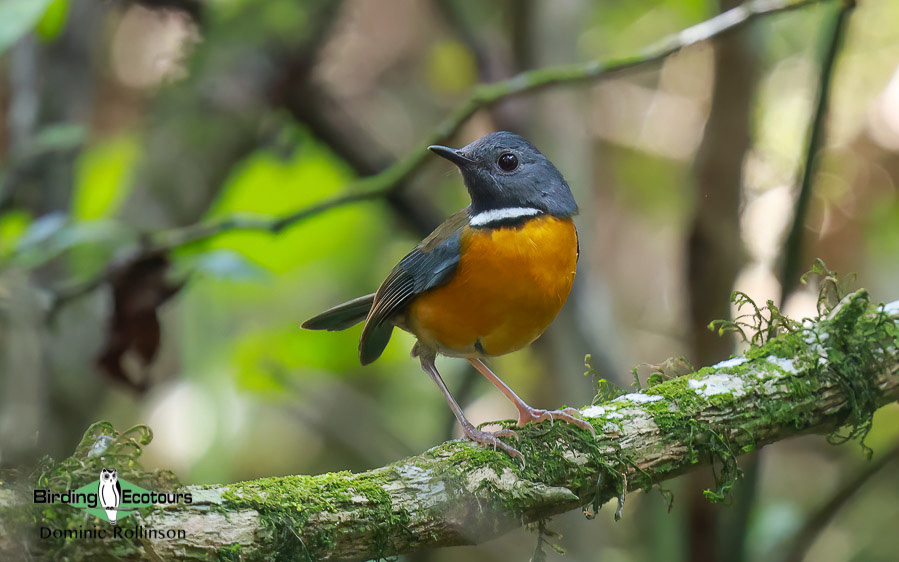
Tanzania holds approximately thirty-five species found nowhere else on earth and a further forty or more near-endemics shared primarily with adjacent countries. The most sought-after Tanzanian endemic birds include the grey-breasted spurfowl of the Arusha and Kilimanjaro highlands; the Pemba green pigeon,, confined to Pemba Island; the Udzungwa forest partridge,, discovered in 1991 and still known from only a few highland forest sites; and the Rubeho chat of Tanzania’s central highlands. These range-restricted species require deliberate itinerary planning.
They do not appear as incidental sightings on standard safari game drives. Targeted visits need forest walks, specialist guides with habitat-specific knowledge, and accommodation positioned within the appropriate habitat.
The Eastern Arc Mountains—ahain of ancient forest-covered ranges stretching from the Taita Hills in Kenya to the Udzungwa Mountains in Tanzania—holdlant and animal endemism rates that rival the Galapagos Islands.
Conservation biologists recognize them as one of the world’s biodiversity hotspots. Dedicated birders who add two or three days in the Usambara or Udzungwa forests to a standard northern circuit safari multiply their species list dramatically and collect sightings of genuine rarity. African Wild Trekkers works with specialist birding guide partners for Eastern Arc Mountains excursions that standard safari operators do not offer.
Best Tanzania Parks for Birdwatching
Parks and Habitats for Specific Birding Goals
Lake Manyara National Park for Wetland Birds
Lake Manyara National Park is Tanzania’s premier wetland birding destination. The soda lake’s northern bay hosts flamingo aggregations that can exceed 200,000 birds during peak seasons, turning the shallow water into a solid pink band visible from the park’s escarpment viewpoint fifteen kilometers away. The lake supports yellow-billed storks, herons, egrets, African spoonbills, and both species of pelicans in numbers comparable to a dedicated bird sanctuary. The park’s groundwater forest along the escarpment base adds forest species,, including the Narina trogon, various turacos, and the elusive Pel’s fishing owl that stake territory in the dense riparian growth above the lake’s marshes.
Lake Manyara’s 600-plus species list records more birds in a relatively compact park than most Tanzaniann parks three times its size. The habitat transition from highland escarpment forest to alkaline lake shore to lowland acacia woodland concentrates multiple ecological communities into a small geographic area. A dedicated morning birdwatching drive targeting the forest edge, the lake shore, and the open woodland delivers more species per hour than almost any other Tanzania park.
Most standard northern circuit safaris pass through Lake Manyara on the way to Ngorongoro. African Wild Trekkers ensures the Lake The Manyarayara component of any northern circuit includes sufficient time for dedicated birdwatching at the lake shore, regardless of whether the client identifies as a birder.
Serengeti and Tarangire for Savanna and Grassland Species
The Serengeti’s open grass plains support a grassland bird community that dedicated birders rank among Africa’s finest. The resident raptor community includes martial eagles, bateleurs, long-crested eagles, Verreaux’s eagle owls, and multiple species of kites, buzzards, and goshawks. Migrant raptors that pass through between November and March—steppeagles, lesser spotted eagles, and European honey buzzards—haveade the Serengeti’s eastern plains a recognized raptor migration corridor.
Lilac-breasted rollers, superb starlings, and the hornbills that use the acacia canopy add colorto every game drive. The Serengeti’s open sightlines make birds identifiable from the vehicle without straining to spot obscured forest species.
Tarangire National Park stands as Tanzania’s top destination for the massive communal nesting structures that African weavers build in baobab tree canopies. Five or more weaver and bishop bird species build actively in the acacia and baobab woodland. Tarangire’s seasonal swamps attract open-billed storks, ibises, and wader species during the wet season.
The yellow-collared lovebird, a Tarangire specialty, moves through the park in loud flocks of twenty to fifty birds at dawn—unmistakabley its green body, yellow collar, and red bill. African Wild Trekkers includes bird identification guidance in the pre-departure documentation for any Tanzania client who expresses interest in birding, regardless of experience level.
Arusha National Park and the Eastern Arc Mountains
Arusha National Park, within thirty minutes of Tanzania’s safari capital, holds over 400 bird species in a compact area combining highland forest on Mount Meru’s slopes with the Momella Lakes’ waterbird community. The park’s highland forest is the best accessible location in northern Tanzania for the Abyssinian ground thrush, Hartlaub’s turaco, and sunbirds,, including the malachite, variable, and bronze species that fill the canopy with colorand sound.
The Momella Lakes host greater and lesser flamingos, African spoonbills, and the saddle-billed stork—onef Africa’s tallest and most visually striking waterbirds—in a setting that permits lakeshore exploration on foot with a park walking guide.
The Usambara range of the Eastern Arc Mountains is accessible from Tanga or as an extension from the Kilimanjaro-Arusha corridor. It delivers some of Africa’s most sought-after endemic birds in montane forest accessible by road. African Wild Trekkers works with specialist Eastern Arc birding guides who can design a two-to-three-day Usambara addition to any northern circuit safari.
This extension significantly expands a client’s Tanzania species list with Eastern Arc endemics unavailable elsewhere in the north. The Udzungwa Mountains in the southern highlands require a more dedicated routing but reward the effort with additional endemic species in a park that very few international tourists visit.
Plan Your Safari
Tanzania birding ranges from casual identification of the Serengeti’s most conspicuous species to dedicated endemic hunting in the Eastern Arc Mountains. The right itinerary depends entirely on the client’s birding experience and target species. African Wild Trekkers advises on Tanzania birding circuits at every level—from standard safari clients who want solid bird identification support to experienced listers building a dedicated endemic circuit. The team works with specialist birding guide partners for Eastern Arc and southern highlands routing.
Every Tanzanian safari from African Wild Trekkers includes bird identification resources—a field guide recommendation, key species briefings for each park, and guide instruction for clients who want it. For dedicated birding clients, the team builds itineraries specifically around target species and habitat access, confirming specialist guide bookings and optimal camp locations before any deposit is requested. All birding itinerary reservations receive the same written confirmation process as standard safari bookings.
Contact African Wild Trekkers at africanwildtrekkers.com/contact with your Tanzania travel dates and birding interest level, and we will recommend the right Tanzania birding circuit and specialist guides within 24 hours.