Uganda National Museum: Kampala’s Gateway to Uganda’s Cultural Heritage
Uganda National Museum on Kira Road in Kampala holds the country’s most comprehensive collection of cultural, archaeological, and natural history material. The museum covers Uganda’s human history from the earliest archaeological finds to the post-independence period through ethnographic collections, royal regalia, traditional instruments, and colonial artefacts. Uganda National Museum opened in 1954 and remains the primary institution for documenting and displaying the heritage of Uganda’s diverse ethnic and cultural communities. Safari visitors who spend a morning at Uganda National Museum leave with a contextual understanding of Uganda’s cultural diversity that enriches every subsequent interaction with communities in the national parks and highlands. No other single site in Uganda delivers this breadth of cultural overview in as accessible and as comprehensive a form.
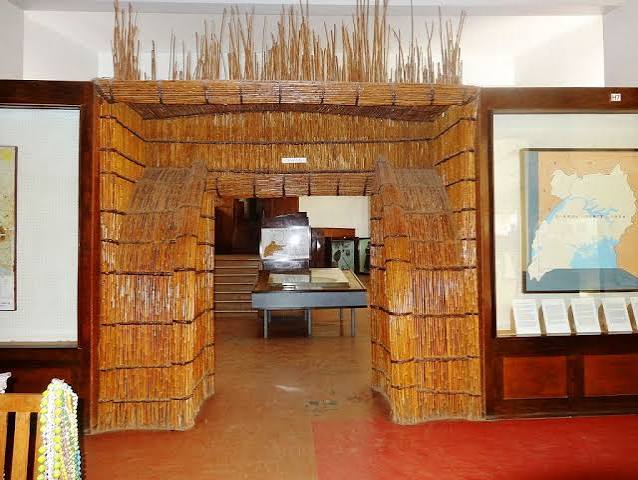
The Uganda National Museum sits on a large property on Kira Road in the upper Nakasero area of Kampala. The grounds include several gallery buildings, an outdoor display of traditional architecture, and a collection of traditional craft demonstrations. Specialist staff curate the collections and provide guided tours that draw on deep knowledge of each exhibit’s cultural and historical significance. The museum’s collections span archaeology, ethnography, natural history, and cultural performance documentation. Uganda National Museum thus covers the full range of human and natural heritage that frames the Uganda safari experience for visitors who choose to engage with it before or after their time in the national parks.
Collections at Uganda National Museum
Cultural Collections at Uganda National Museum
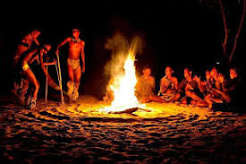
The ethnographic collections at Uganda National Museum represent all of Uganda’s major cultural groups from the Buganda Kingdom to the Acholi, Karamojong, Banyankole, and Basoga peoples. Traditional musical instruments form one of the most extensive and most impressive collections within the museum. Xylophones, harps, drums, and flutes from each cultural region demonstrate the diversity of Uganda’s musical heritage across geographic and ethnic boundaries. The traditional clothing and adornment collection shows how each Uganda cultural group expressed identity, status, and ceremony through material culture. These ethnographic objects carry layers of cultural meaning that the museum’s specialist guides explain in terms that give visiting tourists genuine cultural insight.
Royal regalia from the Buganda, Toro, Bunyoro, and Ankole kingdoms at Uganda National Museum documents the material expression of traditional governance across Uganda’s western highland kingdoms. Ceremonial spears, shields, stools, and royal clothing reveal how each kingdom expressed authority through specific symbolic objects. The Buganda royal court regalia is the most extensive collection within the Uganda National Museum royal display. Comparing the regalia of different kingdoms reveals both the shared Bantu cultural foundations and the distinctive traditions of each court. This comparative display is unique to Uganda National Museum and unavailable at any single kingdom’s own heritage site.
Natural History at Uganda National Museum
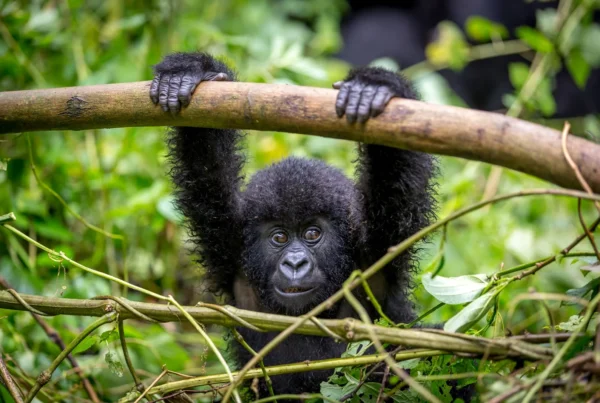
The natural history section of Uganda National Museum covers the country’s geological history, ecological zones, and wildlife diversity through specimen collections and interpretive displays. The geological timeline display explains how the Albertine Rift shaped Uganda’s topography and created the highland-lowland contrasts that define its ecological diversity. Taxidermied specimens represent each of Uganda’s major mammal, bird, and reptile groups. These specimens are valuable reference points for visitors who want to familiarise themselves with species identification before entering the national parks. The Uganda National Museum bird collection is particularly useful for birding visitors planning trips to Murchison, Queen Elizabeth, or Kibale.
Archaeological artefacts from Uganda National Museum collections document human occupation of the Lake Victoria basin from the Stone Age through the Iron Age to the historic period. The Ntusi and Bigo earthworks section explains the pre-Buganda political history of the western Uganda Great Lakes region. These earthwork systems represent the most complex pre-historic engineering structures in East Africa and the museum’s interpretation places them in the wider Great Lakes civilisational context. Visitors who understand the Ntusi and Bigo civilisation background before visiting western Uganda read the landscape of the crater lake area with significantly more cultural depth.
Practical Information for Uganda National Museum
Visiting Uganda National Museum in Kampala
Uganda National Museum opens Tuesday through Sunday from 10:00 to 18:00 and closes on Mondays. The entrance fee is modest and covers access to all gallery buildings and the outdoor exhibits. Guided tours are available with specialist museum staff at additional cost and are strongly recommended for first-time visitors who want the collections explained rather than simply displayed. The museum grounds include a shaded outdoor area where traditional craft demonstrations occasionally run during the morning. Photography inside the gallery buildings requires a photography permit available at the front desk. The Uganda National Museum gift shop sells cultural books, craft items, and reproduction artefacts that make meaningful Uganda souvenirs.
Travelling to Uganda National Museum from Kampala city centre takes 15 to 20 minutes by taxi or boda-boda. The museum sits on Kira Road above the Nakasero market area in upper Kampala. Most Kampala cultural day itineraries position Uganda National Museum in the afternoon after morning visits to Kasubi tombs and Mengo Palace. This sequence uses the Uganda National Museum collections as a comprehensive interpretation layer on the specific royal history experienced at the morning sites. The afternoon museum visit gives visitors a cultural framework for understanding what they observed during the morning’s royal heritage encounters.
Uganda National Museum and Other Kampala Cultural Sites
Uganda National Museum sits within a 20-minute drive of the Kasubi tombs, Mengo Palace, and the Ndere Cultural Centre. This clustering of Kampala’s major cultural sites within a compact area makes a full-day cultural circuit logistically straightforward. A morning at Kasubi tombs and Mengo Palace followed by afternoon hours at Uganda National Museum gives the most informative and most contextually rich Kampala day. The National Museum’s musical instrument collection directly illustrates the living performance traditions visible at an evening Ndere Cultural Centre show. Visiting the museum before the Ndere performance creates an instructive educational arc across the single Kampala day.
The Uganda National Museum also connects to broader east Africa heritage for visitors who have visited the National Museum of Kenya in Nairobi or the Dar es Salaam National Museum. Each of these museums covers regional prehistory from a different national perspective. The Uganda National Museum’s emphasis on Great Lakes cultural history provides a distinctly Ugandan lens on the shared East African archaeological and ethnographic heritage. Safari visitors who have visited multiple East Africa national museums come away from the Uganda National Museum with a more nuanced regional perspective than any single country museum can alone provide.
Plan Your Safari
Visit Uganda National Museum in the afternoon during a Kampala cultural day that begins at Kasubi tombs and Mengo Palace in the morning. Allow two to three hours for a full museum circuit with a guided tour. Book a specialist museum guide at the front desk to unlock the collections beyond what independent wandering through the galleries reveals.
African Wild Trekkers includes Uganda National Museum in Kampala cultural day programmes for clients with a Kampala transit day. We arrange guides, transport, and a cultural day structure that combines the museum with Kasubi, Mengo Palace, and an optional evening Ndere Cultural Centre performance into a single comprehensive Kampala programme.
Contact African Wild Trekkers to plan your Uganda National Museum visit. We respond within 24 hours and design Kampala cultural days that give Uganda safari visitors the cultural context that makes every national park experience more meaningful.