Mengo Palace Uganda: The Buganda Kingdom’s Royal Residence
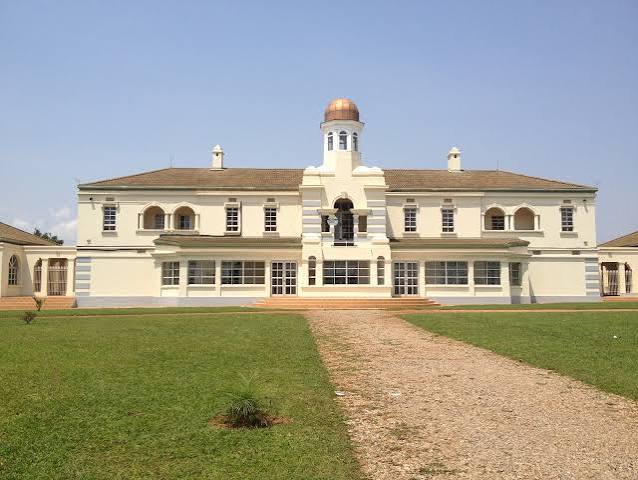
Mengo palace Uganda is the official residence of the Kabaka of Buganda and the administrative headquarters of the Buganda Kingdom on Mengo Hill in Kampala. The palace complex encompasses the Kabaka’s residential quarters, the Buganda Kingdom offices, a museum, and the infamous Idi Amin-era detention facility. Mengo palace Uganda opens for guided tours that cover the palace grounds, the historical exhibits, and the colonial and post-colonial history embedded in the site. The combination of royal splendour, political tragedy, and cultural heritage makes Mengo palace Uganda the most historically complex single attraction in Kampala. No other site in the city carries the same density of critical moments from Uganda’s political history within a single compound.
The palace on Mengo Hill has functioned as a royal seat since the 19th century when Kabaka Mutesa I governed the Buganda Kingdom from this strategic hilltop. The 1966 attack by Obote’s forces on the palace compound marked the most violent confrontation in Buganda kingdom history and left scars on both the structures and the national memory. Restoration work following the kingdom’s reinstatement in 1993 has gradually returned the palace to active use. Mengo palace Uganda today combines a working royal residence with a heritage site that documents the full arc of Buganda kingdom history across its most turbulent century.
History of Mengo Palace Uganda
The Palace Under Colonial Rule
Mengo palace Uganda served as the centre of the Buganda Kingdom’s colonial-era administration under the 1900 Buganda Agreement. The agreement gave the Buganda Kingdom more autonomy than any other Uganda traditional state under British administration. The Kabaka’s position as constitutional monarch within the colonial system gave Mengo palace Uganda a dual function as both a royal residence and a proto-governmental headquarters. The palace buildings from this period reflect the cultural fusion of British colonial architecture with Buganda building traditions. This architectural blend is visible in the surviving palace structures that mix brick buildings of colonial design with elements of traditional royal court planning.
The 1953 deportation of Kabaka Mutesa II to Britain by the colonial administration created a political crisis centred on Mengo palace Uganda. The Buganda Kingdom’s parliament, the Lukiiko, met at Mengo to coordinate the popular resistance that eventually forced the colonial government to return the Kabaka. This episode demonstrated the depth of the Buganda people’s emotional attachment to both the palace and the institution it represented. Mutesa II returned to Mengo palace Uganda in triumph in 1955, an event celebrated across Buganda as a vindication of traditional royal authority against colonial power.
The 1966 Attack on Mengo Palace Uganda
Prime Minister Milton Obote ordered the attack on Mengo palace Uganda in May 1966 during Uganda’s post-independence constitutional crisis. Government troops with armoured vehicles assaulted the palace while the Kabaka’s guard defended the compound. The fighting lasted several hours and the Kabaka escaped through the palace grounds to eventual exile in Britain. The attack damaged several palace buildings and left bullet marks still visible on the surviving walls. Idi Amin subsequently occupied and modified sections of the palace compound during his presidency from 1971 to 1979.
The underground detention facility beneath the former palace swimming pool at Mengo palace Uganda dates from the Amin period. This facility held political prisoners and served the Amin regime’s security operations. Guided tours at Mengo palace Uganda include a visit to this detention facility, which preserves its original structure with interpretation about the historical events associated with it. The experience of descending into this space provides a direct physical encounter with one of Uganda’s darkest political episodes. This section of the Mengo palace Uganda tour requires emotional preparation but is considered by many visitors to be the most important part of the visit.
Visiting Mengo Palace Uganda
Mengo Palace Uganda Tours
Organised guided tours of Mengo palace Uganda depart from the palace gate at scheduled times throughout the morning. Tour guides explain the palace’s architectural history, the royal household structure, and the key political events associated with the site. The tour covers the palace grounds, the museum displaying royal regalia and historical photographs, and the underground detention chamber. Photography on the palace grounds follows specific rules that guides communicate at the start of the tour. The residential sections of the palace where the Kabaka lives remain closed to visitors throughout the tour. The public touring areas provide full historical and cultural coverage without entering the active royal household space.
The palace museum at Mengo palace Uganda holds photographs, traditional weapons, royal regalia, and documents from the Buganda Kingdom’s colonial and post-colonial history. These exhibits provide historical context that enriches every other element of the tour. The royal regalia display includes ceremonial spears, shields, and clothing that demonstrate the material culture of the Buganda royal court. The historical photographs document the palace, the royal family, and the key events associated with Mengo palace Uganda from the 1890s to the present. These images provide the clearest visual record of the palace’s physical changes across its most eventful decades.
Practical Information for Mengo Palace Uganda
Mengo palace Uganda sits on Mengo Hill approximately 3 kilometres from Kampala city centre. Taxi or boda-boda transport from the city centre takes 15 to 20 minutes. The palace gate is visible from the main Mengo road and signposted from the primary access road. Tours operate on set morning and early afternoon departure times. Confirming current tour times through a Kampala cultural guide or tour operator before visiting avoids arriving between tour slots. The Mengo palace Uganda entry fee is modest and covers the guide service for the full tour. Dressing respectfully — long trousers and covered shoulders — is expected on palace grounds as a mark of respect for the Kabaka’s residence.
Mengo palace Uganda combines logically with the Kasubi tombs visit in a morning Buganda royal heritage circuit. Both sites sit in the Mengo area within 15 minutes’ drive of each other. Starting with Kasubi tombs from 09:00 and transferring to Mengo palace Uganda at 11:00 covers both sites within a morning session. Lunch at a Kololo restaurant in the early afternoon then connects to the Uganda National Museum and the Ndere Cultural Centre evening performance for a full Kampala cultural day built entirely around Buganda kingdom history. This itinerary structure represents the most informed and most rewarding single day available in Kampala.
Plan Your Safari
Plan the Mengo palace Uganda tour as a morning activity during a Kampala cultural day. Book through a Kampala cultural guide who can interpret the political history for non-Ugandan visitors. Combine with the Kasubi tombs visit in the same morning for a complete Buganda royal heritage circuit that covers both living and ancestral aspects of the kingdom.
African Wild Trekkers includes Mengo palace Uganda in Kampala cultural day itineraries for clients with a Kampala transit day before or after their Uganda national parks safari. We arrange cultural guides with deep knowledge of Buganda history and manage transport between all Kampala cultural sites throughout the day.
Contact African Wild Trekkers to plan your Mengo palace Uganda tour. We respond within 24 hours and design Kampala cultural days that connect the palace visit to the wider story of Buganda kingdom history and contemporary Uganda.