Uganda Rainy Season Safari: The Secret Season of the Pearl of Africa
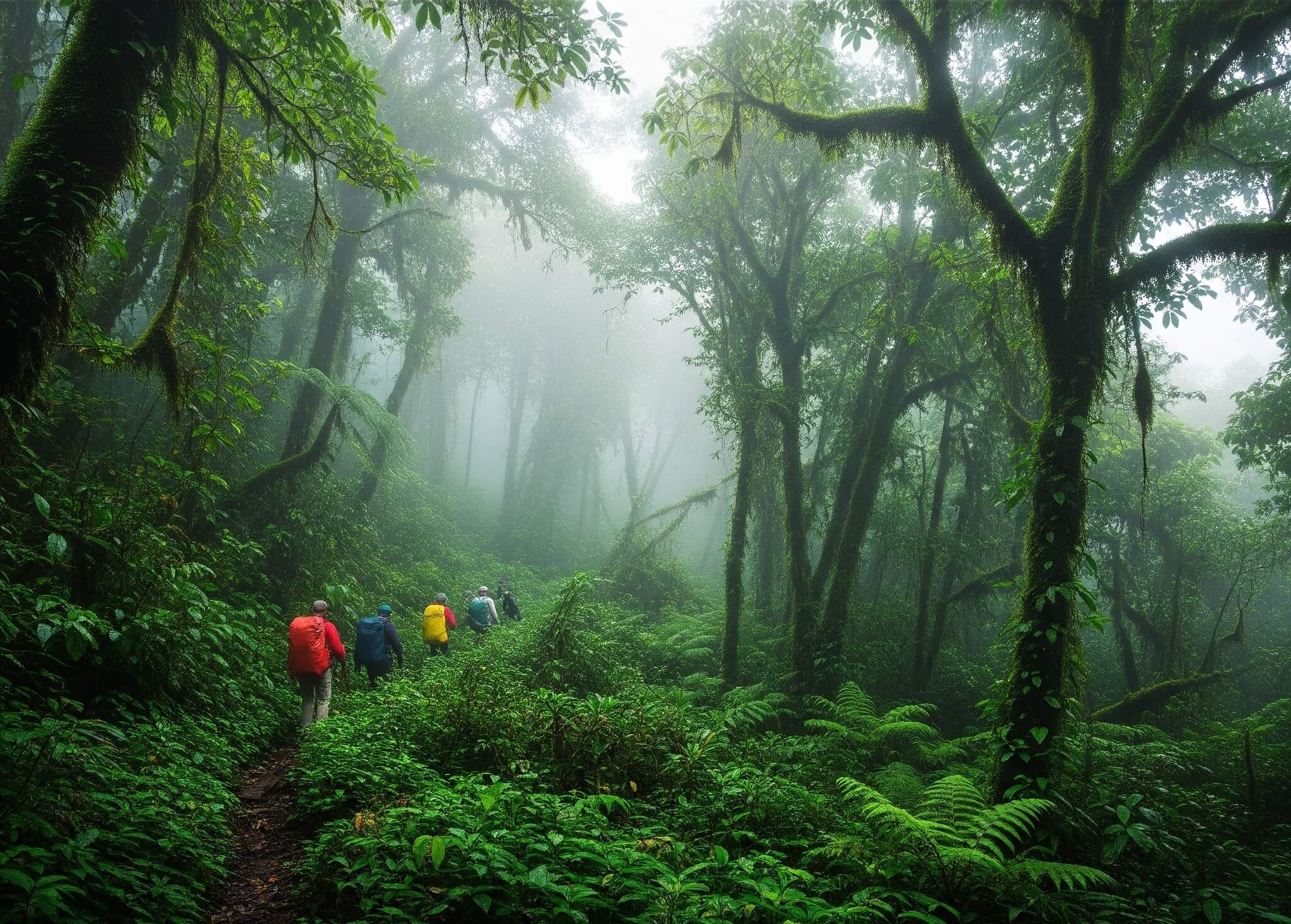
A Uganda rainy season safari offers advantages that dry season visitors rarely discover. Lower visitor numbers, better accommodation rates, and extraordinary birding distinguish the Uganda rainy season safari from the peak season experience. Uganda’s two rainy seasons are March to May and October to November. A Uganda rainy season safari during either period accesses all the same national parks and gorilla groups as the dry season. Trail conditions are wetter and roads require more careful navigation. In return, the Uganda rainy season safari delivers lush green landscapes, dramatic storm light for photography, and the most diverse bird list of any Uganda season.
The Uganda rainy season safari misconception is that the rains make Uganda inaccessible. Uganda’s national parks remain open year-round including through both rainy seasons. Gorilla trekking at Bwindi operates throughout the Uganda rainy season safari months with no closures. Chimpanzee trekking at Kibale and Budongo continues on every scheduled date regardless of rainfall. National park game drives on main roads remain passable in all but the most extreme Uganda rainy season safari conditions. Remote tracks may require 4WD engagement but the primary wildlife circuits are accessible year-round.
Uganda Rainy Season Safari Advantages
Birding on a Uganda Rainy Season Safari
The Uganda rainy season safari period from November to April produces the highest Uganda bird species counts. Eurasian migrant birds arrive from September and remain through April. These migrants join the resident Uganda bird species to create the largest combined species list of the year. A Uganda rainy season safari from November to January produces the greatest migrant and resident overlap. Yellow wagtail, European roller, and marsh harrier are among the Eurasian migrants on the Uganda rainy season safari bird list. Intra-African migrants from the Congo Basin arrive in Uganda during the rainy season months and add further new species.
Breeding activity peaks during the Uganda rainy season safari months at most resident species. Birds call most frequently and most visibly during the breeding season coinciding with the rains. Sunbirds, weavers, and forest species all display and nest during the Uganda rainy season safari period. This breeding activity makes resident species easier to find and more behavioural interesting than in the non-breeding dry season. A Uganda rainy season safari birder at Mabamba or the Kazinga Channel in November records more total species than an equivalent dry season visit. Many serious Uganda birders choose the Uganda rainy season safari specifically for this bird list advantage.
Photography on a Uganda Rainy Season Safari
A Uganda rainy season safari delivers some of Uganda’s finest landscape photography conditions. The rains produce lush green vegetation across all national parks. Bwindi appears at its most dramatically beautiful during a Uganda rainy season safari visit. The Virunga volcano peaks above Mgahinga catch storm clouds that create extraordinary moody mountain images. Murchison Falls roars at its most powerful in the Uganda rainy season safari months as rainfall swells the Nile volume. The Kazinga Channel water level rises and produces different wildlife positions than the dry season sandbank configurations.
Dramatic storm light and rainbow conditions occur regularly during a Uganda rainy season safari. These short-lived light events create extraordinary photography moments that never occur in clear dry season conditions. The double rainbow over Bwindi forest during a Uganda rainy season safari afternoon is one of Uganda’s finest landscape photography opportunities. Rain-washed air produces exceptional visibility for mountain photography on the clear intervals between storms. A Uganda rainy season safari with a flexible photography schedule that works around the rain timing produces images impossible to replicate during the dry season.
Practical Uganda Rainy Season Safari Advice
Gear for a Uganda Rainy Season Safari
A Uganda rainy season safari requires specific gear preparation. Waterproof boots are essential for Bwindi trekking in the wet season months. Standard canvas hiking boots become soaked within the first 30 minutes of a wet Uganda rainy season safari trail. Waterproof shell jacket and trousers protect against sustained rain during a Uganda rainy season safari game drive or forest trek. Dry bags protect camera equipment from rain during all outdoor Uganda rainy season safari activities. Pack two sets of safari clothes for each Uganda rainy season safari day to allow wet clothing to dry overnight.
Gaiters for Bwindi trekking protect legs and boot tops against mud during a Uganda rainy season safari. A lightweight trekking pole assists with steep muddy descents in the Uganda rainy season safari forest terrain. Insect repellent is more important during the Uganda rainy season safari than in the dry season. Mosquito populations peak during the wet months and malaria transmission is higher in the rainy season. Antimalaria medication and repellent together provide adequate protection during a Uganda rainy season safari. Consult a travel health clinic before departure for current malaria prophylaxis recommendations for the Uganda rainy season safari period.
Cost of a Uganda Rainy Season Safari
A Uganda rainy season safari costs 20 to 40 percent less than an equivalent dry season visit. Lodge accommodation rates drop substantially during the March to May and October to November Uganda rainy season safari months. This price reduction applies across all accommodation categories from budget guesthouses to luxury tented camps. Gorilla permit costs do not change with season. The $700 Uganda gorilla permit cost is identical during a Uganda rainy season safari to the dry season rate. The accommodation saving during a Uganda rainy season safari therefore represents a significant reduction in the total trip cost without any reduction in the core gorilla or chimpanzee encounter quality.
Tour operator rates for full Uganda rainy season safari packages reflect the lower accommodation costs. An operator-designed Uganda rainy season safari for the same itinerary as a dry season trip costs 20 to 30 percent less in the rainy months. This saving is most significant in the accommodation component of a longer Uganda rainy season safari. Visitors who prioritise value and can tolerate wet conditions should consider the Uganda rainy season safari as their primary travel option. The quality of the wildlife encounters, the lower visitor density, and the superior birding all provide genuine compensating advantages over the dry season alternative.
Plan Your Safari
Plan a Uganda rainy season safari in October to November for the best combination of lower rates, good birding, and manageable rain patterns before the December to February dry season begins. Pack waterproof boots, a rain jacket, and dry bags for all camera equipment. Book gorilla permits at the same $700 cost available year-round through a licensed Uganda operator.
African Wild Trekkers designs Uganda rainy season safari itineraries that maximise the wet season advantages. We advise on the best Uganda rainy season safari dates, design birding programmes for the migrant season peak, and recommend accommodation at each site for the best rainy season value.
Contact African Wild Trekkers to plan your Uganda rainy season safari. We respond within 24 hours and design Uganda wet season itineraries that deliver exceptional value and wildlife quality across the country’s national parks and forest sites.