Whale Shark Kenya: Swimming With the World’s Largest Fish Off the Kenyan Coast
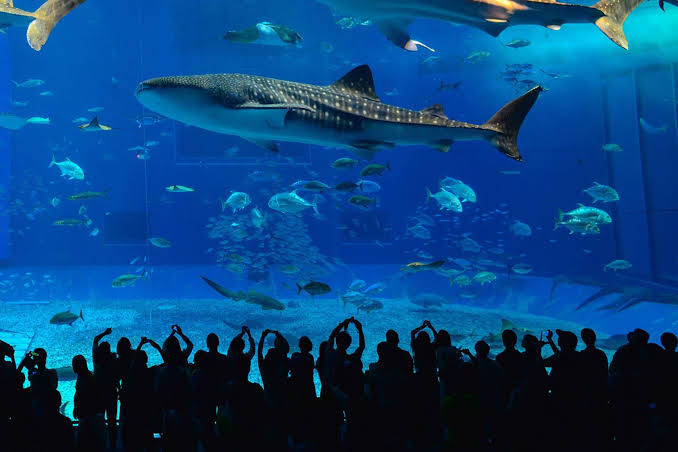
The whale shark is the largest fish on earth. Adults reach 12 to 18 metres in length and weigh up to 21 tonnes. Their mouths, held wide open during filter feeding, span nearly 1.5 metres. Yet despite this size, the whale shark is a filter feeder its diet consists entirely of plankton, small crustaceans, and tiny fish that it strains from the water through gill rakers as it swims slowly forward with its mouth open. This combination of immense size and completely harmless feeding behaviour makes the whale shark the most sought-after large animal encounter for snorkellers and divers in the Indian Ocean. Swimming alongside a whale shark in Kenya’s coastal waters the fish larger than a truck, moving at a slow, steady swim while you finning alongside at the surface is an encounter on a scale that few wildlife experiences anywhere in the world surpass.
Whale Shark Seasonality on the Kenya Coast
Whale sharks visit Kenya’s coastal waters predictably. The main aggregation occurs between October and March the northeast monsoon season when zooplankton blooms driven by the current inversion concentrate the specific prey items that attract whale sharks inshore. Watamu’s offshore waters produce the most reliable Kenya whale shark encounters during this period. The sharks feed in the shallow channel waters offshore from Watamu Marine National Park, where the convergence of the reef and the open sea channel concentrates their prey in accessible depths. Additionally, isolated encounters occur year-round at Diani Beach and along the entire Kenyan south coast, though these are less predictable than the October-to-March Watamu aggregation.
The Encounter: Snorkel and Free Dive
Kenya’s whale shark encounters operate as guided snorkel or free dive experiences rather than scuba dives. Whale sharks feed near the surface — typically within the top 10 metres — making surface snorkelling the most natural and least disruptive encounter method. The guide’s boat positions 50 metres ahead of the shark’s travel direction. Snorkellers enter the water quietly and float in the shark’s path as it approaches. The shark’s forward movement brings it alongside the snorkelling group within seconds. A single pass along the 15-metre body length covers the full animal from the blunt, wide snout to the vast crescent-shaped tail. As a result, a single encounter lasts only 30 to 90 seconds as the shark continues past. However, multiple encounter passes per session are common when the shark remains feeding in the area.
Conservation and Responsible Encounter Practice
Whale sharks are classified as Endangered globally. Although their large size protects adults from most predators, population growth is extremely slow — sexual maturity arrives at 25 to 30 years, and lifespan potentially exceeds 130 years. The population faces pressure from boat strike, fisheries bycatch, and marine plastic ingestion. Kenya’s Watamu Marine National Park implements responsible encounter guidelines — no touching the fish, maintaining a minimum approach distance of 3 metres, no flash photography, and no underwater propulsion devices within 10 metres of the shark. Furthermore, local conservation organisations in Watamu use encounter records to contribute individual identification data to the global whale shark database, tracking specific individuals across their Indian Ocean range.
Plan Your Safari
Watamu is the best starting point for Kenya whale shark encounters. Watamu Marine National Park camps and dive operators run whale shark snorkel trips from October through March on days when sightings are reported from the local network. The trip typically runs 3 to 4 hours from Watamu’s beach, combining the whale shark encounter with snorkelling on Watamu’s offshore coral reefs. Combining a whale shark day with Arabuko Sokoke Forest birding and Mida Creek mangrove kayaking creates a complete Watamu coastal experience within a 2 to 3 night coastal extension to any Kenya safari itinerary.
African Wild Trekkers designs Kenya coastal safari itineraries incorporating whale shark snorkel experiences at Watamu during the October-to-March season. Contact us to plan a Kenya safari that captures both the savanna wildlife and the coast’s extraordinary marine encounters.