info@africanwildtrekkers.com

Rwanda Travel Guide: The Complete Destination Hub for the Land of a Thousand Hills
Rwanda sits in the heart of East Africa, wrapped around rolling green hills and volcanic peaks. Its nickname, “Land of a Thousand Hills,” comes from the endless ridgelines that fill the view in almost every direction. Few countries pack so much scenery into so small a space.
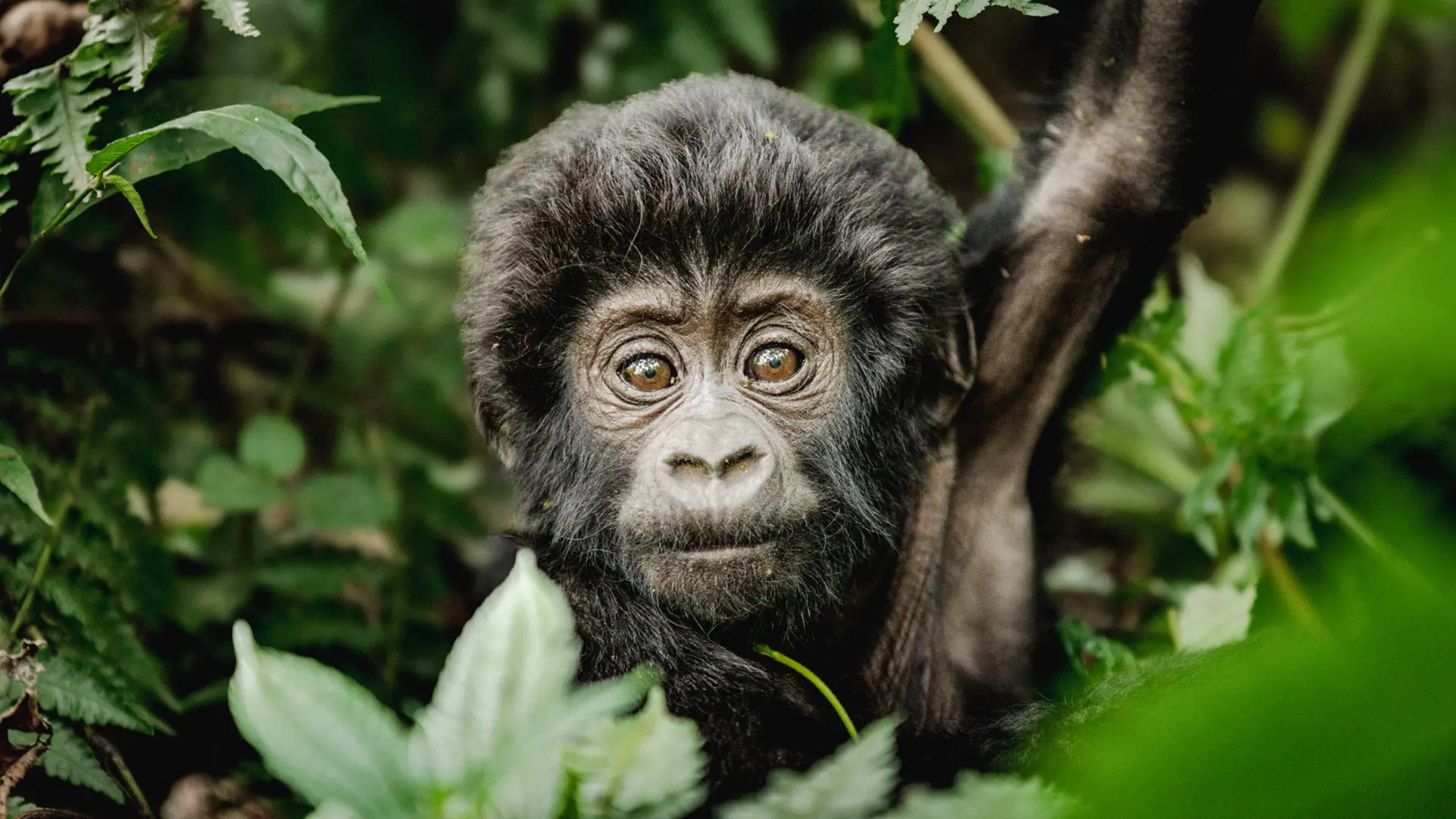
Travelers come to Rwanda mainly for one reason. Gorilla trekking in Volcanoes National Park draws visitors from around the world. Many then discover a country that offers far more than primates alone.
This guide walks through everything a first-time or returning visitor needs. It covers entry requirements, regional highlights, activities, budgeting, and sample itineraries.
Why Visit Rwanda
Rwanda offers one of the most reliable mountain gorilla trekking experiences on the planet. Volcanoes National Park sits close to Kigali, which keeps travel times short. Permits here are well organized, and sightings are consistently strong.
Beyond the gorillas, Rwanda surprises many visitors with its cleanliness and order. Kigali ranks among Africa’s safest and tidiest capital cities. Roads are well maintained, and the country runs with a level of efficiency that stands out in the region.
Rwanda’s landscapes add further appeal. Volcanic peaks, dense rainforest, and the shores of Lake Kivu all sit within a few hours of each other. A traveler can move from gorilla trekking to a lakeside afternoon in the same day.
Best Time to Visit
Rwanda sits close to the equator, so temperatures stay mild and fairly constant throughout the year. Altitude plays a bigger role in comfort than season does. Rainfall is the main factor to plan around.
The long dry season runs from June to September. Trails in Volcanoes National Park are firmer during these months. This period draws the largest number of visitors, so permits sell out fastest here.
A shorter dry spell falls between December and February. It offers a good alternative to the mid-year rush. Prices and crowd levels both tend to ease slightly during this window.
The wetter months fall from March to May and October to November. Trekking becomes muddier and more physically demanding. In return, travelers see lush, vivid green scenery and enjoy noticeably lower lodge rates.
Gorilla trekking runs year-round regardless of season. The gorillas live in the forest permanently rather than migrating. Rain or shine, a permit guarantees an attempt to find the assigned family group.
Entry Requirements and Visas
Most nationalities can get a visa on arrival in Rwanda, or apply online in advance. The online option through the Rwanda immigration portal is usually faster and avoids queues at the airport. Approval often comes back within a day or two.
Travelers combining Rwanda with Uganda and Kenya have another option. The East Africa Tourist Visa covers all three countries with one application. It suits anyone planning to pair Volcanoes National Park with Uganda’s Bwindi or a Kenyan safari.
A passport needs at least six months of validity beyond the entry date. One blank page should also be available for the entry stamp. Proof of yellow fever vaccination may be requested for travelers arriving from endemic countries.
Gorilla trekking permits are booked separately from the visa. The Rwanda Development Board handles permit sales directly, or a licensed tour operator can book on a traveler’s behalf. Booking several months ahead is strongly advised, since daily permit numbers are limited.
Getting There and Getting Around
Kigali International Airport serves as Rwanda’s main gateway. Direct and one-stop flights connect it to major hubs across Europe, the Middle East, and other African cities. From Kigali, most journeys continue by road.
Volcanoes National Park sits only two to three hours from Kigali by car. This short distance is one of Rwanda’s biggest advantages over other gorilla trekking destinations. Many visitors trek the same day they leave the capital, or the morning after.
Akagera National Park in the east and Nyungwe Forest in the south sit further out. Akagera is roughly two to three hours from Kigali. Nyungwe takes closer to five to six hours, though a domestic flight can shorten this considerably.
Self-driving is possible on Rwanda’s well-paved main roads. Many travelers still prefer a driver-guide, especially for park areas with rougher tracks. A guide also adds wildlife knowledge that improves the overall experience.
Regions and Top Destinations
Volcanoes National Park
Volcanoes National Park sits in northwestern Rwanda, part of the Virunga range shared with Uganda and the Democratic Republic of Congo. It is Rwanda’s flagship destination and one of the best places in the world to see mountain gorillas. Multiple habituated families live within its forested slopes.
Golden monkey trekking is a popular add-on here. These playful primates live in the park’s bamboo zones. Volcano hikes up Mount Bisoke and Mount Karisimbi also draw more adventurous travelers.
Nyungwe Forest National Park
Nyungwe Forest sits in southwestern Rwanda and holds some of the oldest rainforest in Africa. Chimpanzee trekking is the park’s main draw. Thirteen primate species live here in total, including large troops of colobus monkeys.
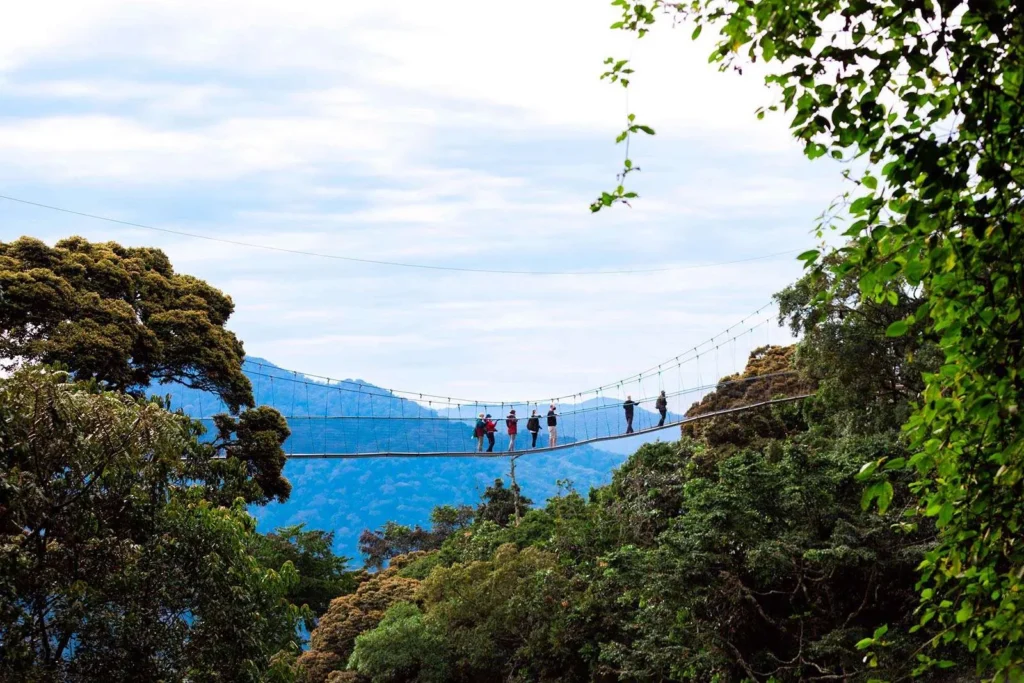
A canopy walkway suspended above the forest floor gives visitors a different perspective. Tea plantations surround much of the park’s edge. Many travelers combine a night near Nyungwe with a stop at a working tea estate.
Akagera National Park
Akagera sits in eastern Rwanda along the border with Tanzania. It is the country’s only savannah park and home to the Big Five. Lions and rhinos were both reintroduced here after near-total loss during the 1990s.
Boat cruises on Lake Ihema offer a relaxed way to see hippos and crocodiles. Game drives cover open grassland and acacia woodland. The park’s recovery stands as one of Africa’s clearest conservation success stories.
Lake Kivu
Lake Kivu stretches along Rwanda’s western border, one of Africa’s Great Lakes. Towns like Gisenyi, Karongi, and Kibuye all sit along its shore. Each offers a calmer pace after days of trekking or game drives.
Boat trips, kayaking, and simply relaxing by the water are popular activities. Coffee plantations line many of the surrounding hillsides. A stop here works well as a slower final chapter to a Rwanda itinerary.
Kigali
Kigali is Rwanda’s capital and often a visitor’s first stop. It is known for clean streets, organized traffic, and a growing food and arts scene. Most gorilla trekking trips begin or end with a night here.
The Kigali Genocide Memorial is a significant stop for many visitors. It offers a sobering, respectful look at the country’s history. Markets, craft cooperatives, and a lively café culture round out the city’s appeal.
Wildlife and Signature Experiences
Gorilla trekking stands as Rwanda’s signature experience. Visitors hike through Volcanoes National Park with trackers who locate a habituated family each morning. Once found, the group gets a strict one-hour window with the gorillas.
Permits are limited daily to protect the animals. Demand regularly outpaces supply during peak months. Booking well in advance is the only reliable way to secure a preferred date.
Chimpanzee trekking in Nyungwe Forest offers a different kind of primate encounter. Chimps move faster and higher through the canopy than gorillas do. Treks here can be more physically demanding, often starting before dawn.
Golden monkey trekking adds a lighter, shorter activity to a Volcanoes itinerary. These monkeys live in large, active troops within the bamboo forest. Sightings tend to be easier and less physically demanding than gorilla treks.
Big Five game drives in Akagera round out Rwanda’s wildlife offerings. Lions, elephants, and rhinos all live within the park today. A sunrise or sunset drive tends to bring out the most activity.
Cultural experiences add depth to a Rwanda trip. Visits to former royal sites, local cooperatives, and community-run tourism projects near Volcanoes National Park all give visitors a closer look at daily life. Many of these projects also support conservation directly.
Culture and People
Rwanda’s population is largely unified by a shared language, Kinyarwanda, spoken across the country. English and French also serve as official languages, a legacy of the country’s colonial and post-colonial history. Many young Rwandans now grow up fluent in English as the language of business and education.
Rwandans are widely known for discipline and community spirit. Umuganda, a monthly community work day held on the last Saturday of each month, brings citizens together for local projects. Visitors should expect some businesses to pause briefly during this time.
The country’s history includes the 1994 genocide against the Tutsi, a period that shaped modern Rwanda profoundly. Memorial sites across the country honor those who died. Many visitors find that understanding this history adds important context to the resilience and organization visible today.
Where to Stay
Rwanda’s lodges near Volcanoes National Park range from ultra-luxury to comfortable mid-range options. High-end properties offer volcano views, spa facilities, and personalized service. Several rank among the most exclusive lodges anywhere in Africa.
Mid-range lodges and guesthouses offer a more affordable way to experience the same region. Comfort levels remain solid even at lower price points. Many still include mountain views and warm, attentive service.
Nyungwe and Akagera both offer smaller selections of lodges and tented camps. Kigali, meanwhile, has a full range of hotels and guesthouses for arrival and departure nights. Lake Kivu adds a relaxed set of lakeside options for the end of a trip.
Food and Drink
Rwandan cuisine relies on staples similar to much of the surrounding region. Ugali, a maize-based porridge, appears alongside beans, plantains, and sweet potatoes. Meals tend to be simple, filling, and built around whatever is locally grown.
Brochettes, skewered and grilled meat, are a popular street food and restaurant staple. Isombe, a dish made from cassava leaves, often accompanies a main meal. Fresh produce is abundant, especially avocados, which grow in large quantities across the country.
Rwandan coffee has built a strong international reputation over the past two decades. High-altitude growing conditions produce beans prized by specialty roasters worldwide. Many lodges and cafés now offer tastings or farm visits for coffee-focused travelers.
Health, Safety, and Practical Tips
Malaria risk exists across most of Rwanda, though it runs lower at higher altitudes. Prophylaxis, repellent, and mosquito nets are still worth using throughout the trip. This applies even in cooler areas near Volcanoes National Park.
Routine vaccinations, along with hepatitis A and B and typhoid, are commonly recommended before travel. A visit to a travel clinic well ahead of departure covers most of these bases. Yellow fever vaccination may be required depending on prior travel history.
Rwanda has a strong reputation for safety and order. Streets are clean, and petty crime rates are low compared to much of the region. Standard precautions around belongings still apply, as they would anywhere.
Bottled or treated water is recommended over tap water. Altitude at Volcanoes National Park can affect fitness during treks, so a reasonable pace and good hydration help. Mobile data and Wi-Fi are both widely available, even in more remote lodges.
Money, Costs, and Budgeting
The Rwandan Franc is the local currency, though US dollars are widely accepted for permits, park fees, and many lodges. Smaller everyday purchases are best handled in francs. Cash machines are available in Kigali and larger towns.
Gorilla trekking permits represent the single biggest cost for most visitors. They are priced per person per trek and capped daily across all trekking sectors. Early booking secures both a preferred date and a lower risk of missing out entirely.
Chimpanzee permits in Nyungwe and park entry fees elsewhere add to the overall budget. These are generally more affordable than gorilla permits. Akagera in particular offers strong value for a Big Five experience.
Tipping is customary for guides, drivers, and trekking staff. It forms a meaningful part of local income in the tourism sector. Overall trip costs in Rwanda range widely, from moderate mid-range circuits to high-end luxury lodge stays, with the gorilla permit remaining the main fixed cost regardless of style.
Sample Itineraries
A short three-day gorilla trekking trip suits travelers with limited time. Day one covers arrival in Kigali and a transfer to Volcanoes National Park. Day two is reserved for gorilla trekking, with day three set aside for the return to Kigali and departure.
A six-day Rwanda highlights trip adds more depth. The first two days cover Volcanoes National Park, including gorilla trekking and an optional golden monkey trek. Days three and four move to Nyungwe Forest for chimpanzee trekking and a canopy walk, before closing with two days at Lake Kivu or back in Kigali.
A ten-day full circuit combines all of Rwanda’s major regions. It begins with Volcanoes National Park for gorilla and golden monkey trekking, continues to Nyungwe Forest for chimpanzees and rainforest walks, and moves on to Akagera for Big Five game drives. A few final days at Lake Kivu or in Kigali round out the trip at a slower pace.
This longer circuit works well for travelers who want the full range of what Rwanda offers. It avoids the rushed feeling of shorter trips. Most visitors who take this route describe it as the most complete way to experience the country.
Packing List
Neutral-colored, lightweight, long-sleeved clothing works best for trekking days. Bright colors are best avoided, since they can startle wildlife or attract insects. Sturdy, broken-in hiking boots with good ankle support matter most on Volcanoes National Park’s steep, often muddy trails.
Gardening-style gloves help with gripping vegetation, particularly stinging nettles common on gorilla trekking routes. A rain jacket is worth packing regardless of season, given the unpredictable mountain weather. Insect repellent and sun protection round out the essentials.
Binoculars add value during Akagera game drives and general birdwatching. A telephoto camera lens works better than getting too close, since flash photography is prohibited around gorillas. Cash in small denominations makes tipping and incidental purchases easier throughout the trip.
Frequently Asked Questions
Do I need a visa to visit Rwanda?
Most travelers can get a visa on arrival, though applying online in advance through Rwanda’s immigration portal is often faster and avoids airport queues.
How much does a gorilla permit cost in Rwanda?
Permit prices are set by the Rwanda Development Board and can change from year to year, so it is worth checking current rates directly or through a licensed tour operator before booking.
How does Rwanda compare to Uganda for gorilla trekking?
Rwanda’s Volcanoes National Park sits closer to the capital, which means shorter travel times, while Uganda’s Bwindi offers a larger gorilla population spread across more trekking sectors and often lower permit costs.
Is Rwanda safe for tourists?
Rwanda is widely regarded as one of the safer destinations in Africa, with low crime rates and well-organized infrastructure across its main tourist areas.
Can I combine Rwanda with Uganda in one trip?
Yes. The two countries share the Virunga gorilla population and are commonly combined under the East Africa Tourist Visa, often alongside a stop in Kenya.