How to See Gorillas and the Wildebeest Migration in One Trip
Two of Africa’s Greatest Wildlife Events in a Single Journey
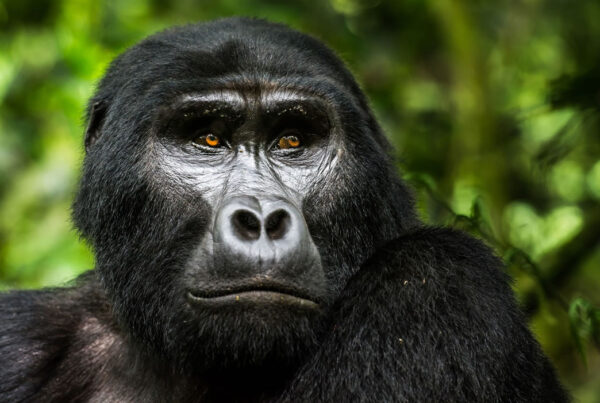
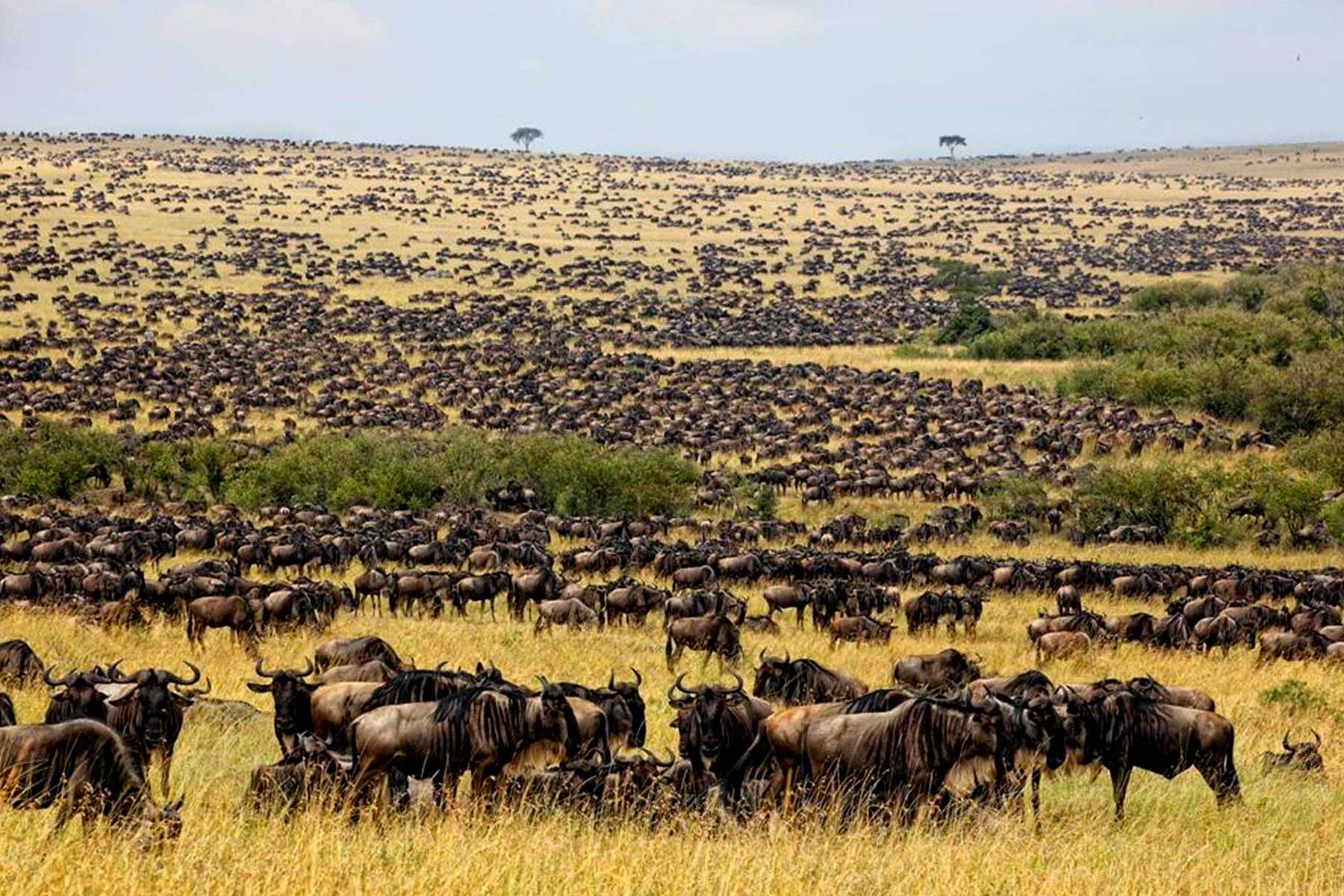
The mountain gorilla encounter in Rwanda’s Volcanoes National Park and the wildebeest migration on Tanzania’s Serengeti are arguably the two most significant wildlife experiences available anywhere in East Africa. They represent opposite ends of the wildlife encounter spectrum: the gorilla experience is intimate, forest-based, physically demanding, and deeply personal in character; the migration is vast, open-sky, and experienced as a force of nature operating at a scale that dwarfs individual human perspective. Combining both in a single East Africa trip creates a journey that covers this entire spectrum in a way that no single-country or single-ecosystem safari can replicate.
This guide outlines the optimal structure for a gorillas-plus-migration East Africa trip, addresses the seasonal windows that align both experiences at their best simultaneously, explains the logistical connections between Rwanda and Tanzania, and provides realistic duration guidance for a trip that genuinely does both rather than rushing through one to accommodate the other. The combination is achievable in two weeks at the minimum and genuinely excellent in three weeks — understanding the quality difference helps decide how much time is worth allocating.
Timing: When Both Experiences Are at Their Best
Aligning Rwanda Gorilla Season with Tanzania Migration Season
The July-October Sweet Spot for Both Experiences
The most important planning decision for a gorilla-and-migration trip is matching your travel dates to the seasonal window when both experiences are at their most spectacular simultaneously.
Mountain gorilla trekking in Rwanda is possible year-round, as gorillas remain in the Volcanoes National Park forest regardless of season. But the dry season from June through September provides the most comfortable trekking conditions — firmer forest trails, reduced mud, less rain during the trek, and clearer visibility through the vegetation for observing the gorilla family once located.
Rwanda’s trekking conditions during the long rains of March through May are significantly more difficult, though gorillas are still present and still observable through wet undergrowth.
The Tanzania wildebeest migration’s most spectacular event — the Mara River crossings in the northern Serengeti — occurs between July and October, peaking in August and September.
This dry-season timing aligns almost perfectly with Rwanda’s most comfortable gorilla trekking conditions, making July through September the ideal season for the gorilla-and-migration combination trip. An early July start catches the beginning of the northern Serengeti crossing season while Rwanda’s June-to-July dry conditions are at their most comfortable.
A September departure benefits from peak crossing activity in Tanzania while continuing the dry-season trekking quality in Rwanda. This three-month window is the single best period for this combined trip.
It is also peak season for accommodation demand at both ends—booking twelve to eighteen months in advance for the best properties and guaranteed gorilla permit dates is a practical necessity, not an exaggeration.
The Gorilla Leg: Rwanda
What the Rwanda Component Covers
Rwanda Gorilla Permit, Lodge, and Duration
The Rwanda gorilla leg of this combination requires a minimum of three nights: one arrival night in Kigali (Day 1), one transfer night at a Volcanoes National Park area lodge (Day 2), and one gorilla trek day (Day 3) followed by afternoon transfer back to Kigali for the next day’s flight to Tanzania.
This three-night minimum is functional but leaves no flexibility if the gorilla trek goes long, if a second trek is desired (requiring a separate permit day), or if road or flight conditions cause a delay.
Four nights in Rwanda — adding a golden monkey trek day or a rest day after the gorilla trek — provides a more comfortable pace and ensures the Rwanda leg doesn’t feel rushed relative to the physical demands of the trek itself.
Rwanda’s gorilla permit at USD 1,500 per person must be booked well in advance—this is the first booking to make and the one that determines all other trip dates. Permits are non-refundable in most circumstances and non-transferable, so confirm all international and connecting flight arrangements before purchasing the permit rather than booking speculatively.
The Rwanda Development Board manages permit sales through their online booking portal and through licensed tour operators who can assist with the application process. Your operator should confirm permit availability for your specific desired trek date simultaneously with lodge accommodation to ensure both are available on the same day before committing to either.
The Migration Leg: Tanzania’s Serengeti
Positioning for the Mara River Crossings
Northern Serengeti Camps for Crossing Proximity
The Tanzania migration leg of this combination requires positioning in the northern Serengeti—the Lamai area north of the Mara River and the Kogatende area on the river’s southern bank—to maximize access to the crossing points where the wildebeest spectacle is most concentrated between July and October.
Camps in the northern Serengeti such as Lamai Serengeti, Sayari Camp, Olakira Migration Camp, and similar properties sit specifically positioned for maximum crossing access during the migration season.
Their guides monitor crossing activity daily and can position vehicles at the most active crossing points hours before the herds arrive at the water’s edge.
The duration of the Tanzania migration leg should be a minimum of four nights in the northern Serengeti to allow sufficient time at the river.
Mara River crossings are unpredictable in daily timing—herds may gather at a crossing point for hours without crossing, then cross suddenly when a triggering animal moves first, or may not cross at a given point at all on a particular day.
Having four days of morning and afternoon access to the river’s main crossing points gives you a very high statistical probability of witnessing at least one significant crossing. During peak August to September conditions, many guests witness three to five crossings over four days.
Shorter visits of two nights give a meaningful crossing chance but provide less time buffer for the unpredictable timing that makes each crossing feel like an event that cannot be scheduled.
Connecting Rwanda and Tanzania
Flight Routes and Logistical Connection
Kigali to Kilimanjaro or Arusha
The flight connection from Kigali International Airport to Tanzania (Kilimanjaro Airport or Dar es Salaam) is the logistical hinge of this combination trip.
RwandAir operates direct and connection flights from Kigali to Kilimanjaro (via Nairobi), and Kenya Airways and other carriers offer Kigali to Nairobi connections with same-day onward flights to Kilimanjaro or Dar es Salaam.
The most direct routing—Kigali to Kilimanjaro directly or with a brief Nairobi connection—typically takes four to six hours total travel time, including the connection.
Arriving at Kilimanjaro Airport allows a same-day road or charter flight transfer to an Arusha base or directly to a Serengeti airstrip for the Tanzania leg to start.
For gorilla-plus-migration itineraries that include a Uganda gorilla component (both Uganda and Rwanda for the great ape dimension), the connection point for Tanzania changes. Uganda’s Entebbe Airport connects to Kilimanjaro or Nairobi through similar regional carriers, and the Entebbe to Kilimanjaro flight takes approximately two hours with a brief connection.
Plan the full flight sequence—international arrival airport, Uganda or Rwanda entry, connection to Tanzania, and Tanzania exit airport—as a complete picture from the start of the planning process. Booking segments independently produces the conflicts and delays that poorly coordinated multi-country itineraries generate.
Two Weeks vs Three Weeks: The Quality Difference
How Additional Days Change the Experience
What Three Weeks Adds to the Two-Week Version
A two-week gorilla-and-migration trip (14 days) is achievable and can produce an excellent experience when planned carefully: three Rwanda nights, one transit day, four northern Serengeti nights, two central Serengeti nights, one Ngorongoro day, and two Zanzibar nights cover all the primary components in a reasonably paced itinerary.
A three-week version (21 days) extends the Rwanda leg by one night for a second gorilla trek day or golden monkey trekking, adds two more Serengeti nights for better migration crossing coverage, includes a full Tarangire day for elephant context, and gives Zanzibar three instead of two nights for a more relaxed beach finish.
The three-week version is noticeably less rushed at every component and produces stronger memories of each destination.
For travellers for whom this is a once-in-a-decade or once-in-a-lifetime travel experience, the three-week version is worth the additional vacation days and cost. The quality improvement across every element is proportionally higher than the quantity increase in days.
For travelers with genuine two-week constraints, the two-week structure works and produces a genuinely exceptional experience. But it should not attempt to add southern Tanzania or additional Kenya components beyond what the day count honestly supports.
Plan Your Safari
Combining gorilla trekking and the wildebeest migration in a single East Africa trip requires securing the Rwanda gorilla permit as the absolute first step, then building all other components around the confirmed permit date.
Book peak season permits (July through September) twelve or more months in advance. The entire trip typically runs on a twelve-to-eighteen-month lead time for guests who want their first choice of camps and permit dates at all three destinations.
African Wild Trekkers manages the Tanzania migration leg of this combination in full and coordinates the Rwanda gorilla permit and accommodation through our established Rwanda partner network.
A single integrated booking document covers the full combination from Rwanda arrival through Tanzania departure, with all flights, permits, camp bookings, and transfers confirmed before travel begins.
Contact African Wild Trekkers at africanwildtrekkers.com/contact with your preferred travel dates. We will design your gorilla and migration combination itinerary and confirm all availability within 24 hours.