Grosbeak Weaver Uganda: The Papyrus Specialist With the Enormous Bill
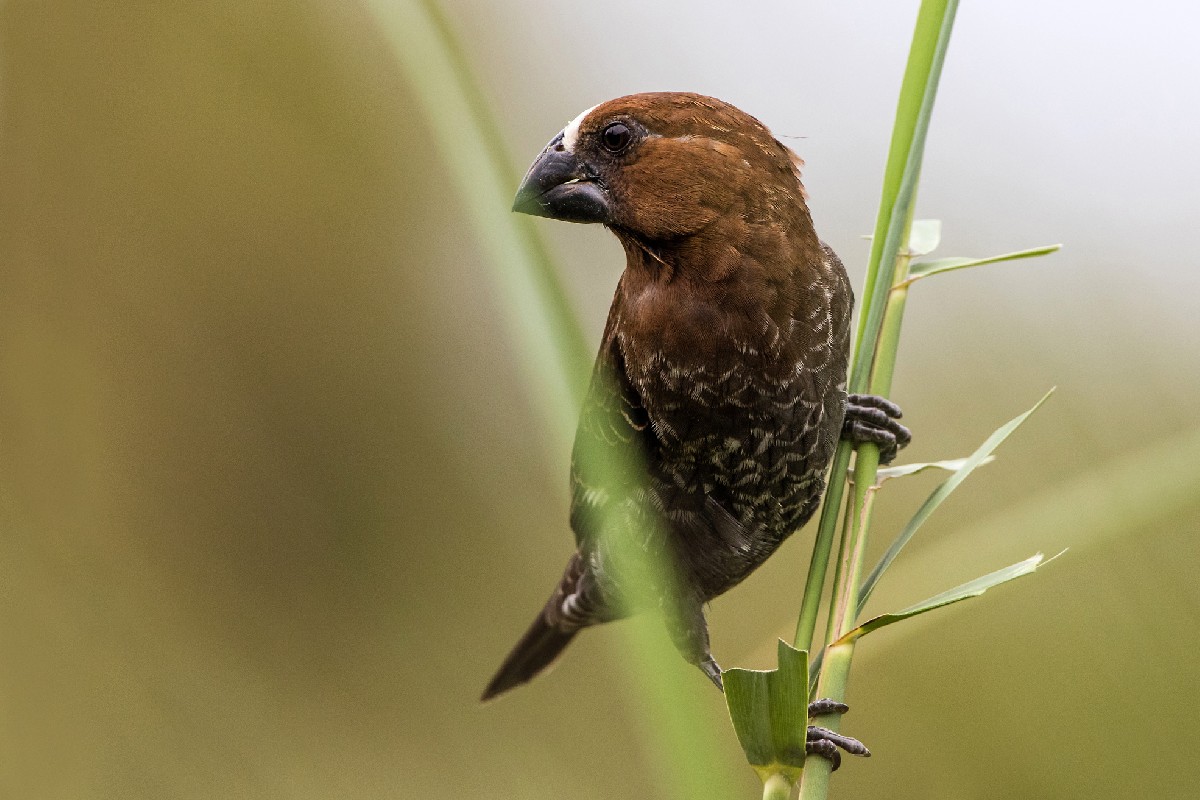
The grosbeak weaver is one of Uganda’s most distinctive waterbird specialists. Unlike the grass-weaving colonial weavers, the grosbeak weaver has evolved a massive, thick bill adapted for cracking the hard seeds of papyrus and other aquatic plants. The bill is so disproportionately large relative to the bird’s body that the grosbeak weaver was historically placed in its own separate genus and is still regarded as one of the most structurally unusual weavers in Africa.
The species is a true papyrus specialist. It lives almost entirely within papyrus swamp systems and rarely ventures into adjacent vegetation types. This habitat restriction makes it a priority target for birders visiting Uganda’s papyrus wetlands alongside the shoebill and the papyrus gonolek, both of which share this highly specialized habitat.
Identification
The male grosbeak weaver is a striking bird despite its relatively modest color scheme. The upperparts are dark brown. The underparts are white with dark streaking. The head shows a rufous-brown cap. The bill is enormous relative to the bird’s size—thick, heavy, and slightly hooked at the tip—giving the bird an immediately distinctive profile unlike any other weaver in the region.
The female is similar to the male but shows slightly duller plumage and a less dramatic bill size difference. Both sexes show the robust bill profile that gives the species its common name. The bill shape and the papyrus habitat immediately identify this species wherever it is encountered.
The call is a series of harsh, buzzing notes quite unlike the musical whistles and mechanical sounds of typical weavers. The call carries well through dense papyrus vegetation and helps locate birds that are otherwise hidden in the papyrus interior. A bird calling from within the papyrus stands can be tracked through the vegetation by moving in the direction of the call.
Papyrus Habitat and Feeding
The grosbeak weaver feeds primarily on the hard seeds of papyrus stems and other aquatic plants. The massive bill generates sufficient force to crack seeds that would be inaccessible to smaller-billed weaver species. This specialization allows the grosbeak weaver to exploit a food resource within the papyrus environment that other birds cannot use.
The bird moves through the papyrus by climbing among the stems rather than flying frequently in the open. It grips papyrus stems with both feet and works methodically through a section of swamp in search of seed heads. Occasional short flights between papyrus clumps are the most frequent opportunities to observe the bird in fully open view.
Additionally, the grosbeak weaver takes insects from the papyrus stems and leaf bases as a supplementary food source. This insectivory component increases during the breeding season when the energy demands of chick production are highest.
Where to See Grosbeak Weavers in Uganda
The grosbeak weaver is endemic to the papyrus swamp systems of East Africa’s lake basin zone. Uganda holds the core of the species’ East African population in the Lake Victoria basin, Lake Albert, and Lake George wetland systems. The Mabamba Swamp near Entebbe is the most accessible East African location for this species.
The Bigodi Wetland Sanctuary near Kibale National Park provides excellent grosbeak weaver habitat in its papyrus sections. Canoe trips through Bigodi’s papyrus channels produce close encounters with the species in its natural feeding habitat at a range below 10 meters.
Uganda’s Queen Elizabeth National Park wetlands along the Kazinga Channel’s papyrus margins also hold grosbeak weavers. The park’s boat cruise passes sections of papyrus fringe where the species is present, though detection requires careful attention to the papyrus edge rather than focusing on the open water.
Plan Your Birding Safari
Grosbeak weaver sightings require Uganda’s papyrus wetland destinations. The species is not reliably encountered at any other East Africa location outside Uganda’s papyrus systems. Any Uganda birding itinerary that includes Mabamba or Bigodi should produce this species with locally guided canoe access.
Combining the grosbeak weaver search with the shoebill at Mabamba makes excellent use of the same canoe trip. Both species share the same papyrus habitat and are targeted simultaneously by the experienced local guides who navigate Mabamba’s papyrus channels.
African Wild Trekkers includes Uganda’s papyrus wetland sites in birding safari itineraries. Contact us to plan a Uganda birding safari that targets the full community of papyrus-specialist bird species found only in East Africa’s great swamp systems.