East Africa Cisticola: How to Navigate the Region’s Most Challenging Grassland Warblers
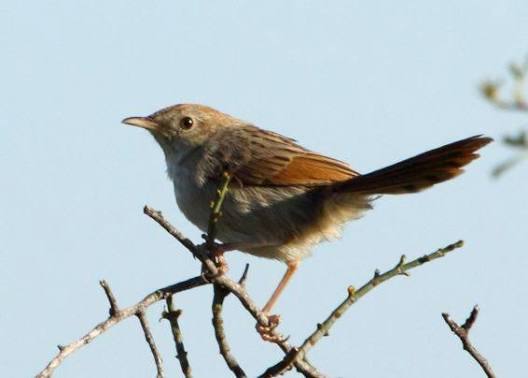
Cisticolas are small, streaked warblers that inhabit the grassland, wetland, and scrub zones of East Africa in extraordinary diversity. East Africa holds over 20 cisticola species. These are among the most challenging birds to identify in the region. Most species show similar streaked brown and buff plumage that varies subtly between species. The song is the most reliable identification feature for many species, making East Africa’s cisticolas a group that rewards patient, attentive listening as much as careful visual observation.
For many birders visiting East Africa for the first time, cisticolas are initially dismissed as “little brown jobs” that resist identification. For those who invest time in learning the key species, cisticolas become one of the most rewarding bird groups in the region. The diversity and complexity of this family in East Africa is matched by few other bird groups anywhere in the world.
Key East African Cisticola Species and Identification
The zitting cisticola is the most widespread and commonly encountered East African species. It inhabits open grassland and the edges of wetlands throughout the region. The male performs a distinctive display flight low over the grass, calling “zit-zit-zit” on each upward bounce. The call gives the species its common name and is the most reliable identification feature. The plumage is heavily streaked brown above and pale below with a distinctive rufous crown.
The winding cisticola inhabits tall grass and wetland edges. It has a longer tail than most cisticolas and shows less streaking on the underparts. The song is a series of musical, descending notes that “wind down” in pitch and give the species its common name. The winding cisticola is most reliably found by listening for its distinctive song from the top of a tall grass stem at the edge of a marsh or papyrus system.
The rattling cisticola is a common species of bushy grassland and thicket edges. Its song is a rapid, scolding rattle quite different from the musical songs of other species. The bird sits prominently at the top of a bush when singing and is considerably more visible than many other cisticola species that sing from within dense vegetation.
Identifying Cisticolas by Habitat and Behaviour
Habitat is the most important initial sorting feature for East African cisticolas. Open dry grassland species such as the zitting, cloud, and desert cisticolas occur in the opposite habitat. Bushy grassland and thicket species such as the rattling and black-backed cisticolas occupy an intermediate habitat type.
Tail length is the next most useful structural feature. Long-tailed species such as the winding and croaking cisticolas are immediately separated from the shorter-tailed zitting and cloud cisticolas by this structural difference. Tail length can be assessed even in brief flight views when plumage colour is not clearly visible.
Song is ultimately the most reliable identification tool for the majority of species. A systematic familiarity with the calls and songs of the five or six most common East African species allows rapid identification of these birds on future encounters.
Where to Find Cisticolas in East Africa
East Africa’s grassland national parks and wetland margins provide the widest range of cisticola species within accessible safari destinations. Kenya’s Rift Valley lakes and the surrounding grassland carry 8 to 10 cisticola species. Tanzania’s highland grasslands above 1,500 metres carry species absent from the lowland savanna. Uganda’s wetland edges carry the wetland-specialist cisticola species alongside the open grassland forms.
The Maasai Mara’s open plains carry zitting and cloud cisticolas in the short grassland areas. Kenya’s Lake Naivasha carries winding and chirping cisticolas in the papyrus margins. Tanzania’s Ngorongoro Crater floor grasslands carry cisticola species typical of the East African highland grassland environment.
Any dedicated birding walk through grassland habitat with an experienced guide who knows the cisticola songs will produce multiple species identifications in a single morning. Vehicle game drives at speed are the least productive method for cisticola observation. Slow walking with attentive listening produces far better results in this bird group than any vehicle-based approach.
Plan Your Birding Safari
Cisticola diversity requires both grassland and wetland destinations to experience the full range of East African species. Kenya’s Rift Valley circuit, which passes through open grassland and lake margin habitats, provides the broadest single-circuit cisticola experience in the region.
Including a dedicated grassland birding walk with an experienced local guide who knows the cisticola songs transforms this challenging group from an identification mystery into one of the most satisfying sections of an East Africa birding itinerary.
African Wild Trekkers designs East Africa birding safari itineraries that include grassland walking activities for maximum cisticola species coverage. Contact us to plan a safari that unlocks the full complexity and diversity of East Africa’s extraordinary grassland warbler community.