Marsabit National Park: Forest and Wildlife Above Kenya’s Desert
Marsabit National Park rises from the surrounding desert as a forested mountain island in Kenya’s arid north. This 360-square-kilometer park sits on Mount Marsabit, an extinct volcano reaching 1,702 meters above sea level. Marsabit National Park’s forest habitat creates a completely different ecosystem from the surrounding lowland desert. Elephants, lions, leopards, and a rich bird community inhabit the Marsabit National Park forest and crater lakes. Marsabit National Park is best known for its legend of Ahmed, a massive tusker elephant whose tusks swept the ground. The park remains one of Kenya’s least visited and most atmospheric highland wildlife destinations.
Marsabit National Park is located 560 kilometers north of Nairobi on the main road to Moyale and the Ethiopian border. The journey from Nairobi to Marsabit takes approximately eight hours by 4WD on the tarmac road via Isiolo. Marsabit town at the base of the mountain offers basic accommodation. The Marsabit National Park gate sits six kilometers above the town on the mountain road. A Marsabit National Park visit combines naturally with a Chalbi Desert tour and Lake Turkana safari on a northern Kenya expedition.
Marsabit National Park Wildlife
Elephants at Marsabit National Park
Marsabit National Park elephants are among Kenya’s most impressive for tusk size. The park’s famous elephant Ahmed was so celebrated that President Jomo Kenyatta ordered a presidential guard for his protection. Ahmed’s life-size replica stands at the Nairobi National Museum today. Marsabit National Park elephants live in the forested mountain zone and descend to the crater lakes for water. Game drives around the Lake Paradise crater lake produce elephant encounters at close range during the morning hours. Marsabit National Park elephant numbers currently stand at approximately 150 individuals in the forest zone.
Marsabit National Park provides important dry season refuge for elephants from the surrounding arid landscape. Elephants from the lowland areas climb to the Marsabit National Park forest during the harshest dry months. This seasonal movement concentrates Marsabit National Park elephants at higher densities during the June to September period. Bull elephants with impressive tusk development are regularly seen at Lake Paradise during the early morning hours. The Marsabit National Park elephant experience differs from the Amboseli or Tsavo equivalent in the intimate forest setting of the crater lake encounter.
Forest Wildlife at Marsabit National Park
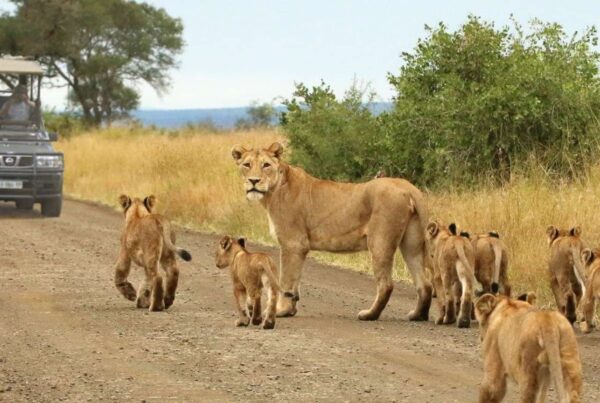
Marsabit National Park lion prides inhabit the forest edge and open grassland sections of the park. These northern Kenya lions are less frequently encountered than their Maasai Mara or Amboseli counterparts. A Marsabit National Park lion sighting is therefore a significant and memorable event. Leopards are more regularly seen at Marsabit National Park than in most other Kenyan parks. The dense cedar and podocarpus forest provides ideal leopard cover throughout the park area. Greater kudu inhabits the Marsabit National Park forest zone and is a flagship species of the mountain forest habitat.
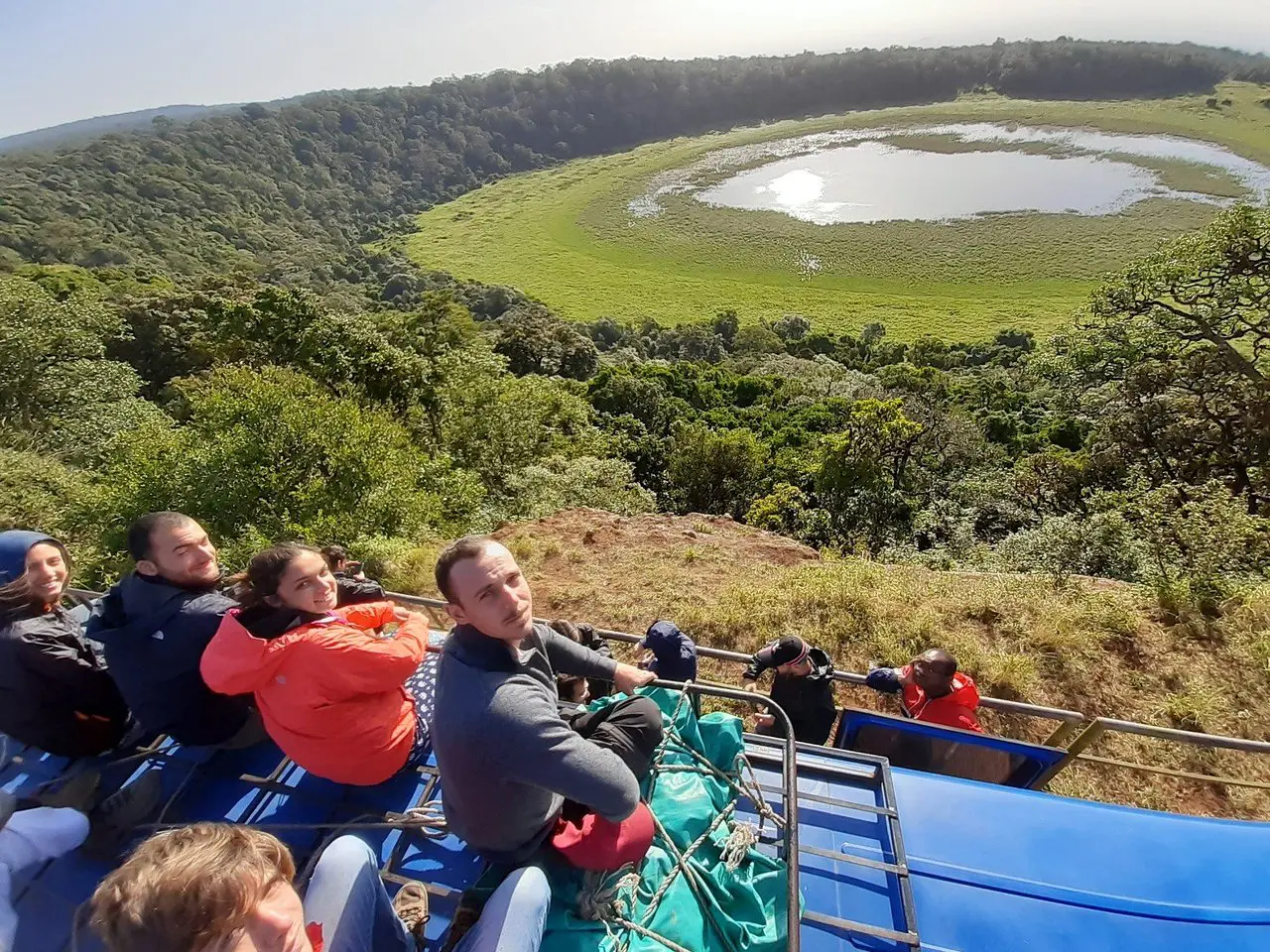
Marsabit National Park holds several crater lakes within its forest terrain. Lake Paradise is the most famous and most visited crater lake in the park. Lake Sokorte Dika and Lake Sokorte Guda are two further crater lakes accessible by game drive roads. These crater lake clearings attract wildlife to open water in the forest interior. Buffalo herds drink at Marsabit National Park crater lakes throughout the day. Warthog families graze the crater lake grassland margins at all three lake sites. The Marsabit National Park crater lake circuit covers the most productive game drive territory in the park.
Marsabit National Park Birding
Forest Birds at Marsabit National Park
Marsabit National Park holds an impressive bird list from its isolated mountain forest position. Over 300 bird species inhabit the Marsabit National Park forest and surrounding arid zone. The silvery-cheeked hornbill inhabits the cedar and podocarpus forest canopy. This large hornbill is conspicuous by call throughout the Marsabit National Park forest zone. The Narina trogon inhabits the Marsabit National Park forest interior and is a sought-after highland forest species. The mountain yellow warbler and Abyssinian white-eye both occur as highland forest specialties in Marsabit National Park.
Marsabit National Park also holds interesting arid-zone birds in the lowland sections surrounding the mountain. Vulturine guineafowl inhabits the thornbush surrounding the Marsabit National Park entrance road. The Somali bee-eater and the northern carmine bee-eater both occur in the Marsabit National Park dry country section. The Ethiopian swallow is a common Marsabit National Park species that nest-builds in building eaves around the park gate. The contrast between Marsabit National Park highland forest birds and arid lowland species creates an unusually diverse birding list for a single Kenya national park visit.
Visiting Marsabit National Park
Marsabit National Park accommodation consists of the KWS bandas at the park headquarters campsite. These basic accommodation units provide beds, bedding, and an ablution block. Self-catering supplies must be carried from Marsabit town before entering the park. The Marsabit National Park gate staff can recommend a local guide for game drives in the crater lake area. Private tented camps occasionally operate at Marsabit National Park on a seasonal basis. Confirm current Marsabit National Park accommodation availability with Kenya Wildlife Service before departure from Nairobi.
Marsabit National Park game drives cover the main crater lake circuit in three to four hours. The Lake Paradise loop is the primary game drive in Marsabit National Park. Dawn departure at 06:00 produces the highest elephant and wildlife activity at the crater lakes. A second afternoon game drive from 16:00 to 18:30 targets the late-day wildlife movement at Marsabit National Park lake edges. Two full days in Marsabit National Park covers both the crater lake circuit and the forest birding trails adequately. Three days allows repeat visits to the most productive Marsabit National Park locations.
Plan Your Safari
Plan a Marsabit National Park stop of two to three nights as part of a northern Kenya expedition combining Samburu, the Chalbi Desert, and Lake Turkana. Book KWS bandas through the Kenya Wildlife Service Marsabit office at least two weeks in advance. Carry all self-catering food supplies from Nairobi or Isiolo, as Marsabit town supplies are limited.
African Wild Trekkers designs northern Kenya expedition itineraries that include Marsabit National Park alongside Samburu, Lake Turkana, and the Chalbi Desert. We arrange fuel logistics, KWS accommodation bookings, and local guides for the Marsabit National Park crater lake game drives.
Contact African Wild Trekkers to include Marsabit National Park in your northern Kenya safari. We respond within 24 hours and design complete northern expeditions that access this extraordinary mountain forest above the Kenyan desert.