African Safari With Babies and Toddlers: What Age Is Old Enough?
An African safari with a baby or toddler can work well with careful planning. Families do not always need to wait until their children reach school age. However, the right age depends on the destination, activities, accommodation, travel time, and health requirements.
Safari travel with young children requires a slower pace. Long road transfers can become tiring for both parents and children. Frequent game drives can also challenge toddlers who need regular meals, naps, and playtime. A family safari should therefore focus on comfort rather than packing every possible activity into one itinerary.
What Age Is Old Enough for an African Safari?
There is no single age that works for every safari. Some families travel successfully with babies under one year. Others prefer to wait until their children reach two or three years.
The destination often matters more than the child’s exact age. A short safari with comfortable accommodation can work well with a young child. A remote safari with long drives may require an older child.
Parents should also consider their child’s routine. Babies who sleep well during travel may handle transfers better. Toddlers who need frequent movement may struggle with long game drives.
Can You Take a Baby on Safari?
Yes, families can take babies on safari. However, parents need to choose the destination carefully.
Short travel distances can make the experience much easier. Lodges with family rooms, private vehicles, and flexible meal times also provide greater comfort.
Parents should avoid itineraries with several long transfers. Spending several nights in one location creates a calmer experience. It also gives the baby time to settle into a new environment.
Private safari vehicles offer another major advantage. Parents can return to the lodge when the child becomes tired. They can also adjust game-drive times around naps and meals.
Is Safari Safe for Toddlers?
A safari can be safe for toddlers when parents follow lodge and guide instructions. Wild animals remain unpredictable, so children need close supervision at all times.
Parents should never allow toddlers to walk freely around camps or lodges. Many safari properties operate in unfenced wilderness areas. Elephants, buffaloes, hippos, monkeys, and other animals can move close to accommodation.
Children should stay with an adult when walking around camp. Parents should also follow the guide’s instructions during game drives and nature walks.
Which Safari Destinations Work Best With Babies?
Some destinations offer easier family safari experiences than others. National parks with good roads, shorter transfer times, and family-friendly lodges can make travel much simpler.
Uganda, Kenya, Tanzania, and South Africa all offer family safari options. However, the best choice depends on the child’s age and the family’s preferred activities.
South Africa can work particularly well for families who want shorter travel distances and comfortable lodges. Kenya and Tanzania offer excellent wildlife viewing but may involve longer road transfers.
Uganda provides a strong combination of wildlife, primates, and cultural experiences. Families can combine safari activities with relaxed lodge stays and shorter activities where suitable.
What About Gorilla Trekking With Young Children?
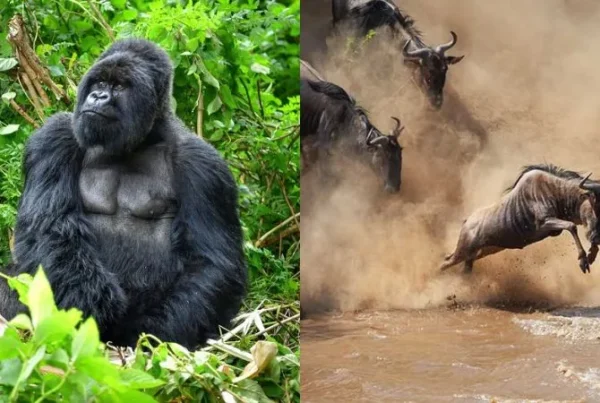
Gorilla trekking has a strict minimum age of 15 years in Uganda and Rwanda. Babies and toddlers cannot join gorilla trekking activities.
Families can still visit areas around Bwindi and Volcanoes National Park with younger children. Parents can choose other activities that suit their children’s ages.
Chimpanzee trekking also has age restrictions that vary by destination and activity. Families should confirm the current rules before booking.
Choose a Private Safari Vehicle
A private vehicle can make a major difference when traveling with babies and toddlers. Families can control their departure times and return to the lodge when necessary.
Shared vehicles follow fixed schedules. That schedule may not suit a young child’s sleeping or feeding routine.
A private vehicle also gives parents more flexibility during game drives. You can stop for snacks, adjust the pace, and return early when your child needs rest.
Plan Around Your Child’s Routine
Young children usually handle safari travel better when parents maintain familiar routines. Try to keep regular meal and sleep times where possible.
Do not plan several activities every day. One morning game drive may provide enough activity for a toddler. You can then spend the afternoon relaxing at the lodge.
Build rest days into longer itineraries. Two or three nights at the same lodge can help children settle. It also reduces the stress of constant packing and unpacking.
What Should You Pack for a Baby Safari?
Parents should pack the items their child uses every day. Diapers, wipes, baby food, bottles, medicines, and familiar snacks may not always be available in remote areas.
Pack enough essential baby supplies for the entire safari. You should also carry sunscreen, protective clothing, a hat, and suitable insect protection.
A lightweight stroller may work at some lodges. However, uneven paths can make a baby carrier more practical. Choose the option that suits your destination and activities.
Food and Baby Supplies
Check your lodge’s food options before traveling. Many family-friendly properties can prepare simple meals for young children with advance notice.
Breastfeeding parents should also consider their travel routine. Formula-feeding families should carry enough formula for remote sections of the trip.
Do not assume that every safari lodge stocks familiar baby products. Remote locations may have limited shops and supplies.
Malaria and Other Health Considerations
Parents should discuss travel plans with a qualified travel-health professional before visiting Africa. Advice can vary according to the child’s age, destination, season, and medical history.
Malaria risk also varies between African destinations. Families should follow professional advice about prevention, mosquito protection, and appropriate medication.
Parents should also check vaccination and entry requirements before travel. Some countries have specific health requirements for travelers arriving from certain regions.
Keep Game Drives Short
Young children rarely need long game drives. Shorter drives can provide excellent wildlife experiences without exhausting them.
Early morning drives often offer good wildlife activity. However, parents should consider the child’s normal sleep schedule.
A private vehicle allows the family to return when needed. You do not have to remain in the bush for several hours simply because other travelers want to continue.
Choose Family-Friendly Accommodation
Accommodation can make or break a family safari. Look for properties with family rooms, flexible meals, swimming pools, and safe outdoor areas where appropriate.
Ask about the property’s fencing and wildlife procedures. Some safari camps sit inside unfenced wilderness. Others provide stronger separation between guests and wildlife.
Parents should also ask about babysitting services and child policies. Some lodges welcome very young children, while others set minimum age limits.
When Should You Wait?
Sometimes waiting makes sense. A child who struggles with long journeys may find a safari exhausting.
Families should also consider the length of the itinerary. A two-week safari with several long transfers may prove difficult with a young toddler.
Parents who want gorilla trekking must wait until their child reaches the required minimum age. The same applies to activities with specific age restrictions.
Plan Your Family Safari
You do not need to wait until your children become teenagers to experience Africa together. With the right destination and itinerary, families can enjoy memorable safari experiences with babies and toddlers.
The key lies in slowing down the itinerary. Choose private transport, comfortable accommodation, short game drives, and longer stays in each location.
Always check age restrictions before booking activities. Confirm health requirements with a qualified travel-health professional. Most importantly, build the safari around your child’s needs rather than trying to follow an adult-focused itinerary.
A well-planned family safari can introduce children to Africa from an early age. The experience can create lasting memories for parents and children alike.