Rwanda Birding Guide: Discover Over 700 Bird Species in One of Africa’s Most Diverse Birding Destinations
Rwanda may be one of Africa’s smallest countries, but it offers one of the continent’s richest birding experiences. The country records more than 700 bird species across its forests, wetlands, lakes, and savanna landscapes.
Rwanda’s remarkable bird diversity comes from its unique location within the Albertine Rift. This region supports rare endemic species found nowhere else in Africa. The country’s varied habitats also make it possible to combine forest birding, wetland exploration, and savanna wildlife viewing within a single safari.
A Rwandan birding safari takes you from the ancient rainforest of Nyungwe Forest to the open plains of Akagera National Park. It also includes the volcanic landscapes of Volcanoes National Park. With expert guides and well-planned routes, dedicated birders can record hundreds of species during a 10-day itinerary.
African Wild Trekkers creates customized Rwanda birding safaris for travelers seeking rare species, beautiful landscapes, and unforgettable wildlife encounters.
Nyungwe Forest National Park: Rwanda’s Premier Birding Destination
Albertine Rift Endemic Birds in Nyungwe
Nyungwe Forest National Park is the highlight of any Rwanda birding safari. This ancient rainforest covers more than 1,000 square kilometers and protects one of Africa’s most important montane ecosystems.
The forest supports 29 Albertine Rift endemic bird species. These birds occur only within the Albertine Rift region, which stretches from Uganda’s Rwenzori Mountains through Rwanda and Burundi.
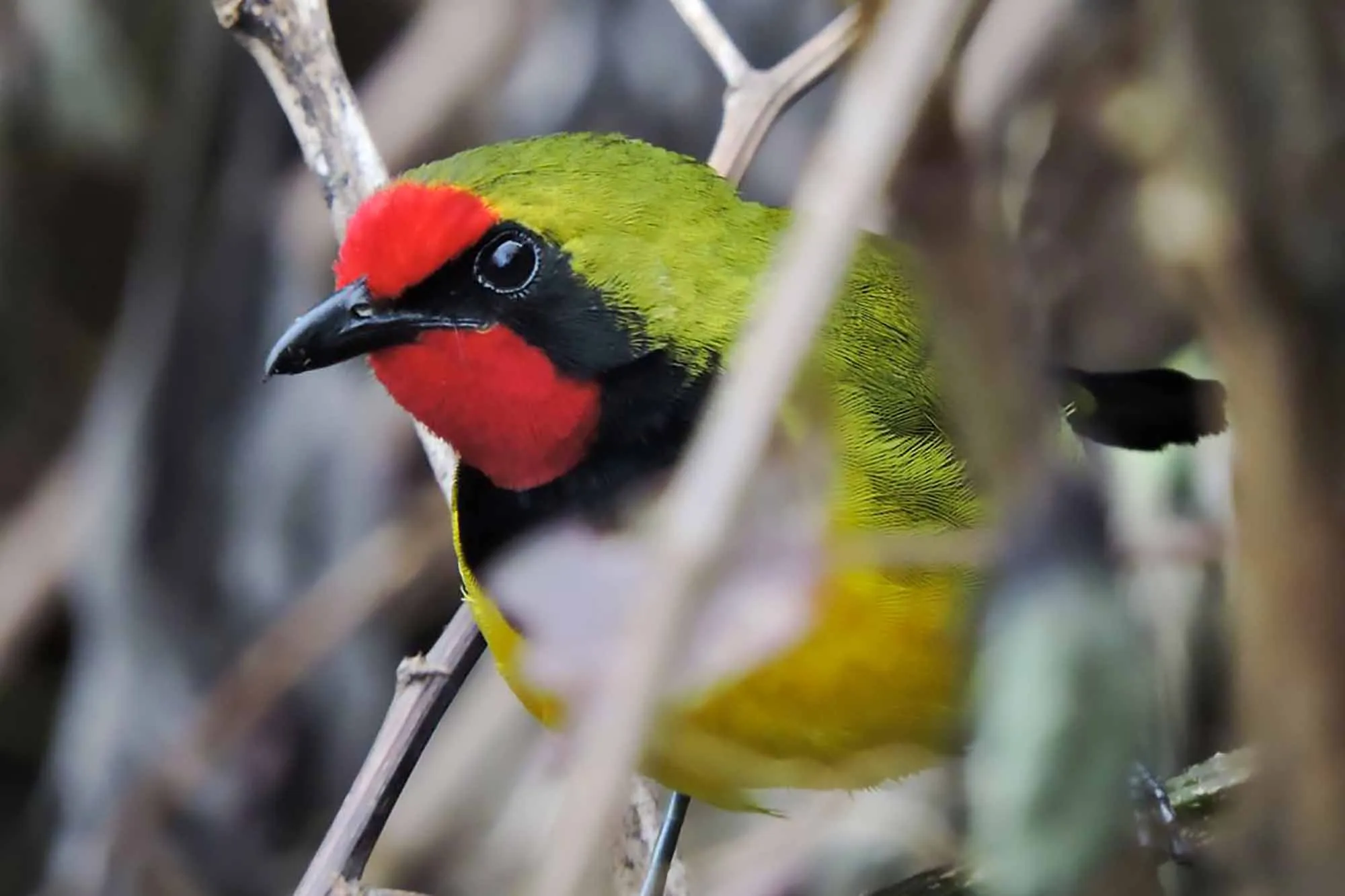
Some of Nyungwe’s most sought-after species include the African green broadbill, Grauer’s rush warbler, Rwenzori batis, red-collared babbler, and Albertine owlet.
Finding these rare birds requires patience and local knowledge. Specialist birding guides understand their habitats, calls, and seasonal movements. Their expertise greatly improves your chances of discovering Nyungwe’s hidden species.
The Best Way to Explore Nyungwe for Birding
Successful Nyungwe birding starts early. Most forest birds become active shortly after sunrise, so experienced birders begin their walks before 6:30 AM.
Different trails reveal different species because birds occupy various forest zones. Some species prefer the lower forest layers, while others remain high in the canopy.
The Nyungwe canopy walkway offers another perspective. The suspended bridge rises above the forest floor and provides access to canopy species that are difficult to see from below.
Birders may spot sunbirds, hornbills, turacos, and other forest specialists from the elevated platforms. The walkway also offers breathtaking views across one of Africa’s oldest rainforests.
A minimum of two full birding days in Nyungwe allows enough time to explore different habitats and search for Albertine Rift endemics. African Wild Trekkers arranges specialist guides and carefully planned birding routes to maximize each visit.
Akagera National Park: Wetland and Savanna Birding
Shoebills and Lake Ecosystems
Akagera National Park provides a completely different birding experience from Nyungwe. The park combines open savanna, papyrus wetlands, and lakes along Rwanda’s eastern border.
The shoebill stork remains Akagera’s most famous birding attraction. This prehistoric-looking bird can reach over one meter in height and hunts fish in the park’s papyrus swamps.
Finding a shoebill requires patience and expert knowledge. Boat safaris on Akagera’s lakes provide some of the best opportunities because guides know the bird’s preferred feeding areas.
African Wild Trekkers works with experienced local guides who understand seasonal shoebill movements and reliable viewing locations.
Savanna Birds and Water Species
Beyond the shoebill, Akagera supports an impressive range of waterbirds and savanna species.
Birders can search for papyrus gonolek, African skimmer, Goliath heron, African fish eagle, kingfishers, bee-eaters, and many raptor species.
The park’s wetlands support hundreds of bird species, making it one of Central Africa’s most important bird habitats. A morning boat safari can produce excellent sightings before the heat of the day increases.
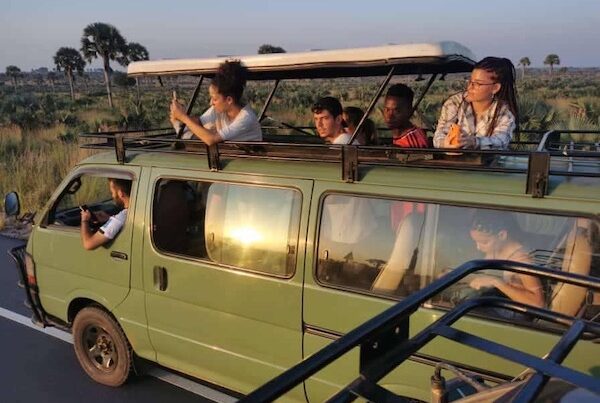
Game drives through Akagera’s northern plains add another layer to the experience. Open grasslands reveal francolins, rollers, larks, and other species that do not occur in Rwanda’s rainforest environments.
For the best birding results, combine a morning boat trip with an afternoon game drive. This approach covers both aquatic and terrestrial habitats within one day.