Tanzania, Kilimanjaro and Zanzibar: The Ultimate Tanzania Trilogy
Tanzania alone contains enough to fill a lifetime of extraordinary travel, and the three most iconic elements of the country — a Serengeti safari, a Kilimanjaro summit, and Zanzibar’s Indian Ocean coastline — sit within a single geographic region. The Tanzania Trilogy, as operators call this combination, delivers three of Africa’s most unforgettable experiences in sequence: the drama of the savanna’s wildlife, the physical achievement of Africa’s highest mountain, and the restorative pleasure of turquoise water and white sand. This guide explains how to build this itinerary, how long it takes, and what each component demands from the traveler.
The Three Components and What Each Delivers
Safari, Mountain, and Beach
The Serengeti Safari Experience
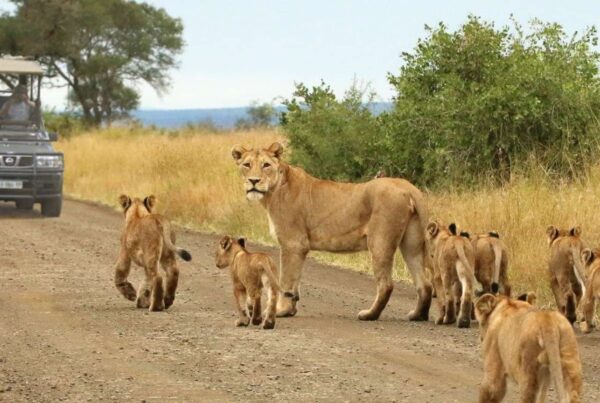
A Tanzania safari covering the Serengeti, Ngorongoro Crater, and Tarangire forms the natural first chapter of the trilogy. The Serengeti’s game viewing is unmatched in its scale—lions hunting wildebeest on open plains, cheetahs scanning for prey from termite mounds, and leopards draped over acacia branches in the afternoon light. Three nights in the Serengeti gives enough time to experience the central Seronera corridor’s year-round resident predators, the northern Mara River crossing area during the migration months, or the southern Ndutu calving grounds in January and February. Ngorongoro Crater adds a half-day descent into the world’s largest intact caldera, where black rhinos, elephants, hippos, flamingos, and lions coexist in extraordinary density.
The safari leg works best at the start of the trilogy, before the physical demands of Kilimanjaro and while energy levels are highest. Game drives begin before sunrise and finish after sunset, with a midday rest at camp that allows time for reading, wildlife spotting from the veranda, and preparing mentally for the next drive. Four to five days on safari — two full days in the Serengeti, a half day at Ngorongoro, and one night in Tarangire — delivers the essential northern circuit experience without overextending the total trilogy duration. African Wild Trekkers sequences the safari to end in Arusha for the Kilimanjaro departure briefing the following morning.
Kilimanjaro: Africa’s Highest Summit
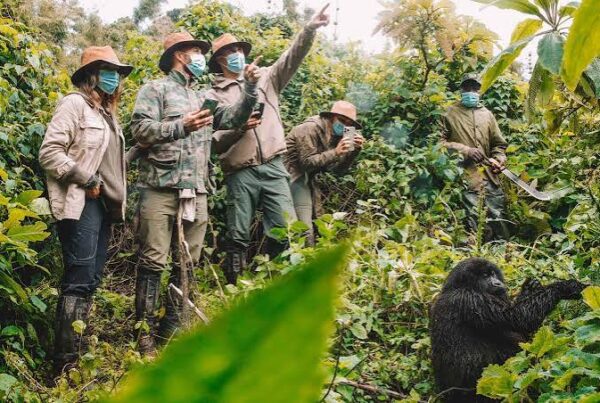
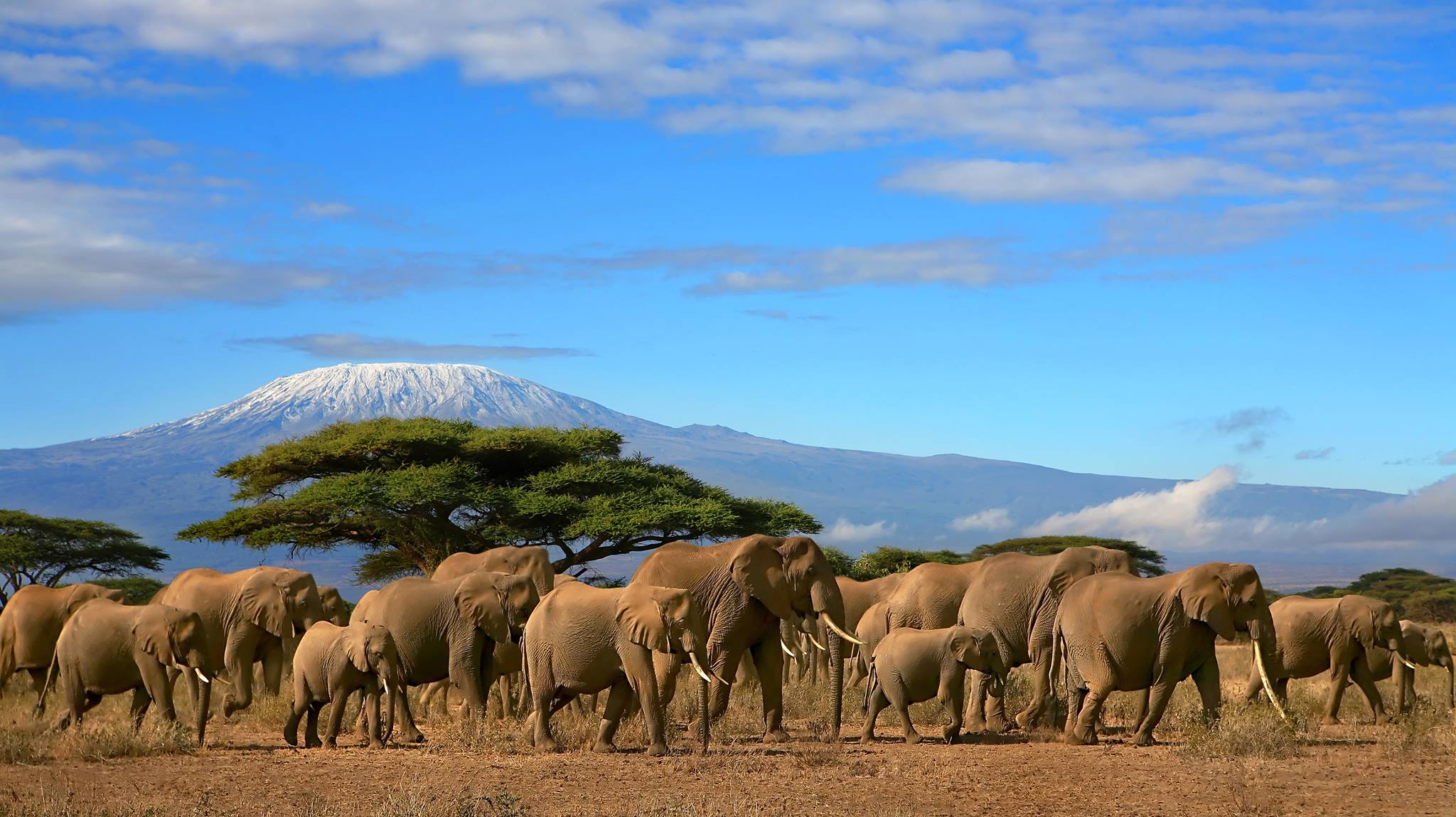
Mount Kilimanjaro stands at 5,895 meters above sea level at Uhuru Peak on the Kibo crater rim, and reaching the summit is an achievable goal for any fit, determined person who follows a properly paced ascent. No technical climbing experience is required—Kilimanjaro’s standard routes follow established hiking trails through five distinct vegetation zones, from rainforest at the base to arctic desert at the summit. The mountain takes seven to eight days on the recommended Lemosho or Machame routes, with the extra days compared to the faster five-day Marangu route providing critical acclimatization time that significantly improves summit success rates.
Kilimanjaro works best in the middle of the trilogy, between safari and beach, for practical reasons. The physical challenge of the climb — particularly the summit night and the descent — leaves most climbers tired and ready for rest. Placing Zanzibar at the end of the trilogy means arriving on the island with a genuine need for the beach’s recovery properties rather than merely treating it as a pleasant addition. The transition from the mountain’s austere volcanic summit environment to Zanzibar’s warm ocean within twenty-four hours creates one of travel’s most satisfying contrasts. African Wild Trekkers coordinates the Kilimanjaro base camp transfer and the Zanzibar flight from Kilimanjaro International Airport as seamless back-to-back logistics.
Zanzibar: Recovery, Reef, and Culture
Zanzibar closes the trilogy perfectly. After the physical exertion of the safari’s early mornings and Kilimanjaro’s summit night, the island’s agenda of beach chairs, snorkeling, and Stone Town exploration requires almost no effort and yet delivers genuine reward. The island’s northern coast at Nungwi and Kendwa offers calm, clear water year-round—ideal for swimming, snorkeling on the coral reef, and watching dhows sail past in the afternoon light. The east coast at Paje and Jambiani is the kitesurfing hub, where reliable trade winds and shallow lagoons attract a younger, more active crowd. Choosing between the north and east coasts depends on whether your priority after the mountains is pure rest or continued activity.
Stone Town deserves at least a full day separate from beach time. The UNESCO World Heritage old town contains carved doorways, Arabic merchant houses, the House of Wonders, the old fort, the spice market, and a seafront dhow harbor that has traded since the Omani sultanate era. A half-day guided walk through Stone Town’s narrow alleys delivers cultural depth that the beach alone cannot provide. The spice tour — a morning visiting working spice farms where cloves, nutmeg, vanilla, and cinnamon grow in dense tropical plots — is one of Zanzibar’s most rewarding half-day activities. Three nights minimum in Zanzibar is the recommended length to do both beach and town justice.
Timing and Duration of the Trilogy
How Many Days You Need
The Minimum and Ideal Durations
The minimum Tanzania Trilogy takes approximately sixteen days: five days on safari, seven days on Kilimanjaro (Machame or Lemosho route), and four days in Zanzibar. This timeline is tight but achievable for travelers with limited annual leave who want to complete all three components in a single trip. The five-day safari leg means two Serengeti nights, one Ngorongoro half-day, and one Tarangire night — enough for the essential experience but leaving a desire to return for more. The four Zanzibar days allow two full beach days and one Stone Town day. African Wild Trekkers runs the sixteen-day trilogy with careful timing to ensure each transition is smooth despite the tight schedule.
The ideal trilogy duration is twenty-one days: seven days on safari covering the Serengeti with three nights, two nights at Ngorongoro, and two nights in Tarangire; seven days on Kilimanjaro via the Lemosho route with an extra acclimatization day; and seven days in Zanzibar covering the north coast, east coast, and Stone Town and a day trip to Prison Island or Mnemba Atoll. Twenty-one days allows each component to feel genuinely explored rather than efficiently ticked. Most travelers who complete the twenty-one-day trilogy describe it as the best trip of their lives and the definitive single-country experience available anywhere in Africa.
When to Do the Trilogy
The Tanzania Trilogy works well year-round, but the optimal timing depends on which element you prioritize most. For the Serengeti safari, June through October and January through March are the strongest wildlife windows. Kilimanjaro: the drier months of January-February and June-October offer the best summit visibility and the most stable weather, though climbers attempt the mountain in any month. For Zanzibar, the south coast monsoon runs April-May and October-November, while the north and east coasts maintain good conditions for most of the year. The months of January-February and July-September deliver good conditions for all three components simultaneously.
Booking the trilogy twelve to eighteen months in advance ensures that Kilimanjaro permits, Serengeti camp availability, and Zanzibar resort rooms align on your specific dates. During peak months, the mountain carries its maximum permitted daily climber load, and good camps on popular routes fill quickly. African Wild Trekkers manages the sequencing of all three bookings as a single system, ensuring that if any one component’s dates shift slightly due to availability, the rest of the itinerary adjusts accordingly rather than leaving gaps or overlaps.
Budgeting for the Tanzania Trilogy
What the Full Circuit Costs
Cost Breakdown by Component
The Tanzania Trilogy carries a significant cost because each component is substantive and requires professional management. In 2026 the safari leg at a mid-range accommodation level costs approximately USD 3,500 to USD 5,000 per person for five days, including park fees, guiding, accommodation, and meals. The Kilimanjaro climb—seven days via Machame with a licensed guide, cook, and porter team—costs approximately USD 2,500 to USD 3,500 per person for a reputable operator, including park fees, guide wages, porter wages, camp equipment, and meals on the mountain. The Zanzibar beach component at a mid-range beachfront hotel costs approximately USD 1,000 to USD 2,000 per person for four nights, including accommodation and breakfast.
Total costs for the sixteen-day trilogy at a mid-range level run USD 7,000 to USD 10,500 per person, excluding international flights and travel insurance. The luxury tier pushes this to USD 15,000 to USD 25,000 per person, with the safari and Zanzibar components contributing the largest portion of the premium. Budget travelers can complete the trilogy for approximately USD 4,000 to USD 6,000 per person using camping safaris, the Marangu Kilimanjaro route, and basic Zanzibar guesthouses. African Wild Trekkers quotes across all tiers and structures the trilogy to match a specific total budget while protecting the quality of the Kilimanjaro climb—cutting corners on guide-to-client ratios on the mountain is never advisable.
Plan Your Safari
The Tanzania Trilogy — safari, Kilimanjaro, and Zanzibar — represents the single most comprehensive Tanzania travel experience available. African Wild Trekkers builds trilogy itineraries as a single fully coordinated package, with safari camps, Kilimanjaro permits, mountain crew, and Zanzibar accommodation all confirmed in sequence before departure. The team manages every transition between components so travelers move smoothly from game drives to mountain camp to beach without administrative complexity.
Every trilogy booking includes a detailed pre-departure document covering safari logistics, Kilimanjaro fitness preparation and gear list, and Zanzibar arrival information. The team is reachable throughout all three components and has contingency plans for weather delays on the mountain or ferry schedule changes to Zanzibar. Clients travel knowing every element is confirmed and managed by a single professional team.
Contact African Wild Trekkers at africanwildtrekkers.com/contact with your Tanzania travel dates, and we will build a personalized trilogy itinerary with a full cost breakdown within 24 hours.