ITanzania Northern Circuit vs Southern Circuit: Which Safari Route to Choose
Tanzania’s safari routes divide into two distinct systems—the northern circuit covering the Serengeti, Ngorongoro, and Tarangire; and the southern circuit covering Ruaha, Selous (Nyerere National Park), and the remote western parks. The two circuits offer fundamentally different Tanzanian experiences. The northern circuit is Tanzania’s most visited, most celebrated, and most infrastructure-rich safari zone. The southern circuit is wilder, less visited, more expensive to access, and arguably more rewarding for experienced safari travelers who prioritize exclusivity and remoteness over the famous brand names of the north. Understanding the genuine differences between the two systems lets you choose the circuit — or the combination of both — that best matches your goals.
Tanzania’s Northern Circuit: The Classic Route
What the Northern Parks Deliver
Serengeti, Ngorongoro, and Tarangire
The northern circuit is organized around three flagship parks that represent East Africa’s greatest wildlife collection in a single geographic region. The Serengeti covers 14,763 square kilometers of open savanna and woodland and hosts the Great Wildebeest Migration—1.5 million wildebeest, 500,000 zebras, and 200,000 Thomson’s gazelles moving in a continuous annual circuit between the southern Serengeti’s calving grounds and the northern Mara River crossing zone.
Ngorongoro Crater concentrates the world’s highest density of large mammals within a twelve-kilometer volcanic caldera, including the most accessible black rhino population on the Tanzanian mainland. Tarangire delivers the continent’s most spectacular elephant herds against a landscape of ancient baobab trees and seasonal swamps.
The northern circuit’s infrastructure ranks among the best in East Africa—well-maintained airstrips connect the Serengeti, Ngorongoro, and Kilimanjaro; the camp and lodge network ranges from budget to ultra-luxury across all three parks; and the roads within the parks are navigable year-round in a standard 4×4.
This infrastructure makes the northern circuit the natural choice for first-time Tanzania visitors, travelers with limited time who need reliable access, and anyone for whom specific iconic experiences—the Serengeti migration and the Ngorongoro Crater—motivate the trip. The northern circuit’s reputation is fully deserved, and it consistently delivers the wildlife spectacle that brings most international visitors to Tanzania for the first time.
Vehicle Concentrations and Crowd Management
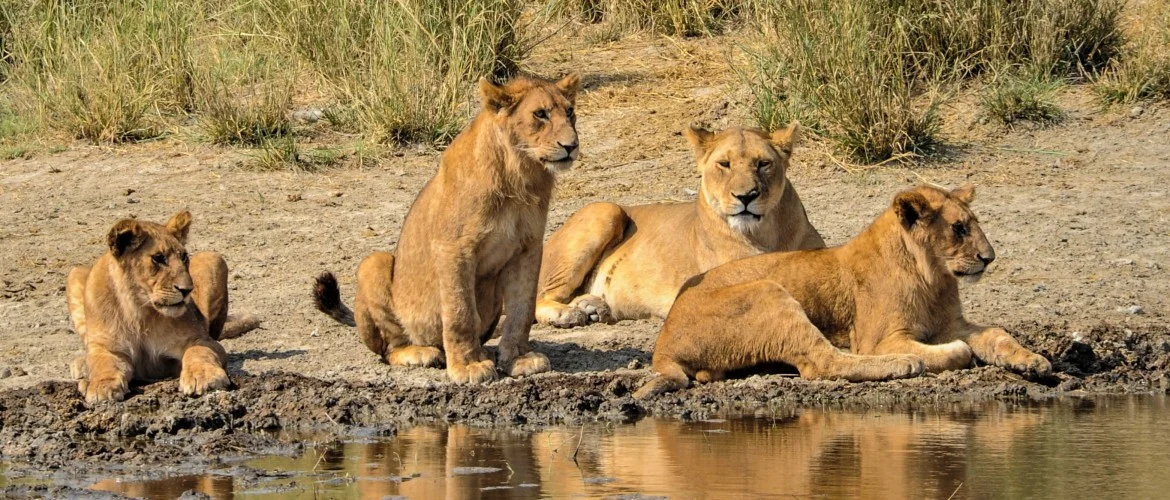
The trade-off for the northern circuit’s fame is vehicle concentration at the most famous locations. The Seronera area of the central Serengeti, the Ngorongoro Crater floor during peak season, and the Mara River crossing sites during August and September attract multiple vehicles converging on the same sightings. This does not diminish the wildlife itself—watching twenty lions from the third vehicle in a queue is still watching twenty lions—but it changes the character of the experience from solitary wilderness encounter to shared spectacle.
The best northern circuit operators position their vehicles away from the concentrations wherever possible, using local knowledge to find sightings before other vehicles arrive and staying after others leave.
African Wild Trekkers manages northern circuit vehicle concentration by choosing camps in less-visited park sections and guiding into those sections during the busiest hours rather than following the vehicle queue to the obvious sightings. The Serengeti’s western corridor, its northern Lobo section, and the less-visited southern Serengeti around the Moru kopjes all deliver outstanding wildlife with a fraction of the vehicle pressure of the central Seronera area.
Experienced guides know where to find the wildlife before the crowd does, and that local knowledge is one of the most significant things separating a quality northern circuit experience from a mediocre one.
Tanzania’s Southern Circuit: Remote and Exclusive
Ruaha, Selous, and the Western Parks
Ruaha National Park: Tanzania’s Largest and Wildest
N Central Tanzania is the country’s largest national park by area, covering over 20,000 square kilometers of rugged landscape that combines baobab woodland, rocky kopje country, and the Great Ruaha River. Game concentrates along this river during the dry season in scenes of extraordinary density. Ruaha holds Tanzania’s second-largest elephant population; an outstanding lion population known for large pride sizes and success hunting buffalo; wild dogs in meaningful numbers; and a cheetah population the park’s open grass sections make reasonably accessible.
Critically, Ruaha carries almost no vehicle concentration—a game drive there means you and your guide find a sighting and watch it alone, without the radio chatter and vehicle queue that northern circuit guides manage at peak locations.
The sole trade-off for Ruaha’s wilderness quality is access cost. Ruaha requires a flight from Dar es Salaam, Arusha, or Zanzibar to Msembe airstrip, and the camps within the park are fly-in only for most practical itineraries. The fly-in model means Ruaha accommodation sits at a premium over the northern circuit’s range—budget and mid-range options are limited, and the most representative Ruaha experience runs at the mid-range-to-luxury price point.
For travelers already spending at the upper mid-range level, the additional flight cost is proportionally modest. For budget travelers, Ruaha’s access cost makes it less practical as a standalone destination.
Selous Game Reserve (Nyerere National Park)
The Selous Game Reserve, now partly incorporated into Nyerere National Park, covers an area larger than the United Kingdom and holds the largest elephant population in East Africa within its core protection zone. The Rufiji River drains much of southern Tanzania and runs through the reserve’s center, providing the basis for one of Tanzania’s most distinctive activities: boat-based game drives on a motorized pontoon that approaches hippos, crocodiles, and riverine wildlife from water level.
This boat perspective transforms familiar African wildlife—hippos appear enormous from a boat at two meters, and crocodiles reveal their full size from the waterline. The Selous’s river system also supports Africa’s largest population of Nile crocodiles and hippos, and the boat drive delivers encounters at distances land-based vehicles cannot achieve.
The Selous-Nyerere circuit suits travelers who have already done the northern circuit and want to experience a completely different Tanzania. The Rufiji River boat drive, the elephant density, the wild dog population in the reserve’s northern sector, and the walking safaris in the private game reserve areas adjacent to the national park combine into a southern Tanzania safari that northern circuit regulars find revelatory.
African Wild Trekkers runs combined northern-and-southern Tanzania circuits for repeat clients who want to see both the famous north and the remote south in a single extended Tanzania trip.
Combining Both Circuits in One Tanzania Trip
How to See Both North and South
The Two-Week North-South Tanzania Circuit
A two-week Tanzania safari covering both the northern and southern circuits delivers the full breadth of the country’s wildlife in a single trip. The most practical structure runs five days on the northern circuit—Serengeti with two nights and Ngorongoro with one day—then flies south to Ruaha for three nights and Selous for three nights before closing with two nights in Zanzibar. This structure covers the Serengeti’s plains, wildlife, and migration; Ngorongoro’s crater experience; Ruaha’s wilderness lions and elephants; the Selous’s river system and hippos; and the Indian Ocean beach—everything that makes Tanzania one of Africa’s greatest wildlife destinations in a single two-week circuit.
The internal flights connecting north and south Tanzania present the primary logistical challenge. Flights from the Serengeti or Kilimanjaro to Ruaha or the Selous typically route through Dar es Salaam, adding a transit day or half-day of travel. African Wild Trekkers has optimized this routing over multiple years of running combined north-south circuits and knows which connections waste the least transit time.
The team manages all internal flights as part of the package booking, confirming airline schedules and airport transfer logistics at every transition point between the northern and southern circuits.
Which Circuit to Choose for a First Tanzania Safari
For a first Tanzania visit, the northern circuit is the clear recommendation. The Serengeti migration, the Ngorongoro Crater, and Tarangire’s elephants deliver the experiences that made Tanzania famous, and the infrastructure supports a high-quality experience at every budget level. The southern circuit rewards repeat visitors who have experienced the north and want to see the other side of Tanzania—wilder, more remote, and more intimate, but best appreciated against the backdrop of already knowing what the northern circuit offers.
Experienced Africa safari travelers on their second or third Tanzania visit often choose the south as the primary focus, adding one or two northern nights for specific seasonal events like the calving season or the Mara River crossings. African Wild Trekkers advises clients on the optimal circuit for their specific experience level, travel dates, and wildlife priorities—there is no universal right answer, only the right answer for a specific traveler’s context.
The team’s consultation process exists specifically to surface those priorities and match them to the correct Tanzania circuit.
Plan Your Safari
Whether the northern circuit, the southern circuit, or a combination of both is the right Tanzania safari depends on your experience, your budget, and what you most want from the trip. African Wild Trekkers runs both circuits and has the depth of knowledge in both park systems to advise confidently on which parks, which seasons, and which camps deliver the best Tanzania experience for your specific goals.
Every Tanzania safari booking from African Wild Trekkers begins with a consultation that establishes your experience level, budget range, preferred accommodation style, specific wildlife priorities, and available travel dates. The team uses this information to build a circuit recommendation that is tailored rather than generic and presents the recommended itinerary with a full cost breakdown before any deposit discussion begins.
Contact African Wild Trekkers at africanwildtrekkers.com/contact with your Tanzania travel dates and experience level, and we will recommend the ideal Tanzania circuit and send a personalized itinerary within 24 hours.