African Lion Coalition: How Male Lions Form Alliances and Take Over Prides
A lone male lion rarely holds a pride for long. The mathematics of competition work against him. A coalition of two, three, or four males changes those odds completely. Coalition males hold prides longer, sire more cubs, and dominate larger territories. The alliance between male lions is one of the most consequential social strategies in all of African wildlife.
What Is a Lion Coalition?
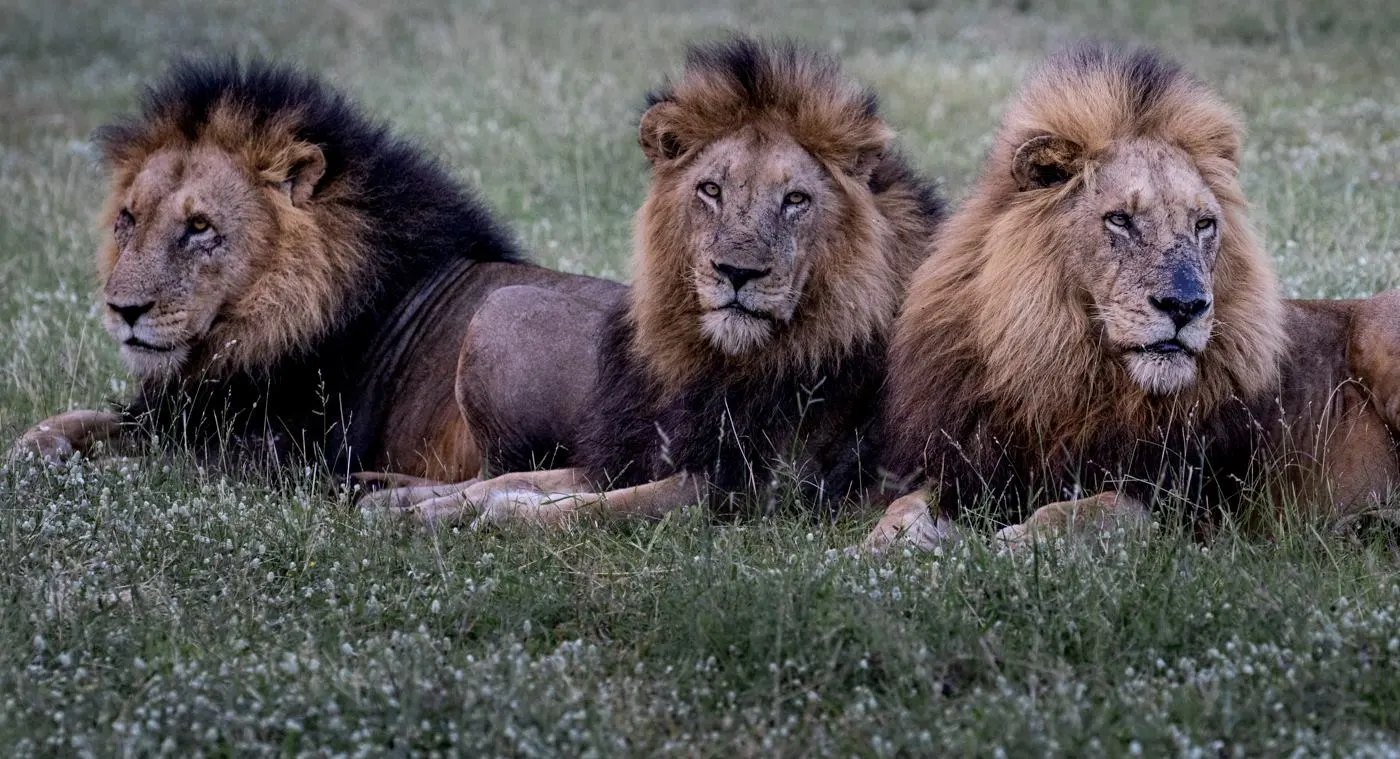
A lion coalition is a group of two or more adult males that travel, hunt, and compete together. Coalition members are almost always related — brothers or half-brothers from the same pride. Some coalitions form between unrelated males that met as nomads after leaving their natal pride. Unrelated coalitions are less common but do occur, particularly in areas where pride dispersal distances are large.
Coalition males share everything. They share territory, share kills, and share mating access to pride females. This sharing creates tension but also enormous collective benefit. The group is stronger than any individual. A coalition of three males can hold a territory against other coalitions that a single male could never defend.
How Coalitions Form
Male lions leave their natal pride between the ages of two and four years old. Their mothers and the dominant pride males expel them. These young males enter a nomadic phase that can last two to four years. During this period, brothers and cohorts stay together. They travel, hunt imperfectly, and avoid the territories of established males.
Nomadic males that survive this period develop the strength and coordination to challenge established males. The bond forged during the nomadic years becomes the foundation of the coalition. Brothers that survived lean times together fight with genuine commitment alongside each other. The trust built during the nomadic phase cannot be quickly replicated between strangers.
Coalition Size and Success
Research in the Serengeti and Maasai Mara has quantified the relationship between coalition size and reproductive success clearly. Single males holding prizes average 2.1 years of tenure. Pairs average 3.6 years. Coalitions of three or four males average over 4.5 years of tenure. Longer tenure means more cubs sired before the next challenge arrives.
Large coalitions also dominate larger territories. A four-male coalition in the Serengeti may control a territory of over 200 square kilometers. This may encompass multiple female prides. Each female pride within the territory represents additional breeding opportunities for coalition members. The reproductive mathematics strongly favors large coalitions over single males.
Taking Over a Pride: The Nomad to Resident Shift
The takeover of a resident pride is violent and determined. Incoming males challenge the resident males directly. Fights involve sustained biting, clawing, and rolling. Serious injuries result, sometimes in death. The challenging coalition usually wins if it outnumbers or matches the resident group. Once the residents flee, the incoming coalition immediately begins securing the pride.
The new males spend weeks establishing their presence. They scent mark extensively. They roar repeatedly to broadcast the change in ownership. They patrol the territory boundaries with aggressive urgency. Neighboring coalitions test the new occupants’ resolve within the first month. The first weeks of a pride takeover are the most dangerous period in a male lion’s life.
Coalition Hunting: When Males Work Together
Male lions are less efficient hunters than females. Their manes reduce concealability. Their larger bodies require more food. But coalitions change the hunting equation. When two or three males coordinate an ambush on large prey—buffalo, eland, giraffe—they achieve success rates that exceed solitary male attempts significantly.
Males in coalitions also specialize. In some well-studied coalitions, one male consistently plays the chase role while another waits at an anticipated interception point. This coordination develops over years of hunting together. It mirrors the female pride’s hunting system but operates with heavier, slower individuals and larger target prey.
How Long Do Coalitions Last?
Coalitions last as long as the members survive and remain competitive. Individual members age at different rates. The coalition weakens as its oldest members decline. Young challenger coalitions eventually displace even large, established groups. The average pride-holding tenure ends with forced displacement rather than death, though injuries from fights frequently lead to death in the weeks that follow displacement.
When a coalition loses a pride, the males enter another nomadic phase. Older males in this second nomadic period rarely recover fitness or territory. They live as scavengers on the edges of other males’ territories until age, injury, or starvation ends their lives.
Plan Your Safari
The Maasai Mara and Serengeti ecosystems offer the best coalition male watching in East Africa. Both areas have well-documented, named coalitions with known territories. Game drives in the conservancies bordering the Mara—Naboisho, Mara North, and Ol Kinyei—frequently produce coalition male encounters. Early morning and late afternoon drives give the best sighting windows when males are most active.
Ask your guide specifically about known coalition males in the area. Experienced Mara and Serengeti guides know current coalition locations, group sizes, and territories. This background transforms a lion sighting from a passing encounter into a rich, contextualized observation.
African Wild Trekkers designs Kenya and Tanzania safaris around the resident coalition males of the Mara and Serengeti. Contact us to build an itinerary that puts you in the right place at the right time.