Giraffe Facts Africa: The World’s Tallest Animal and Its Surprising Life
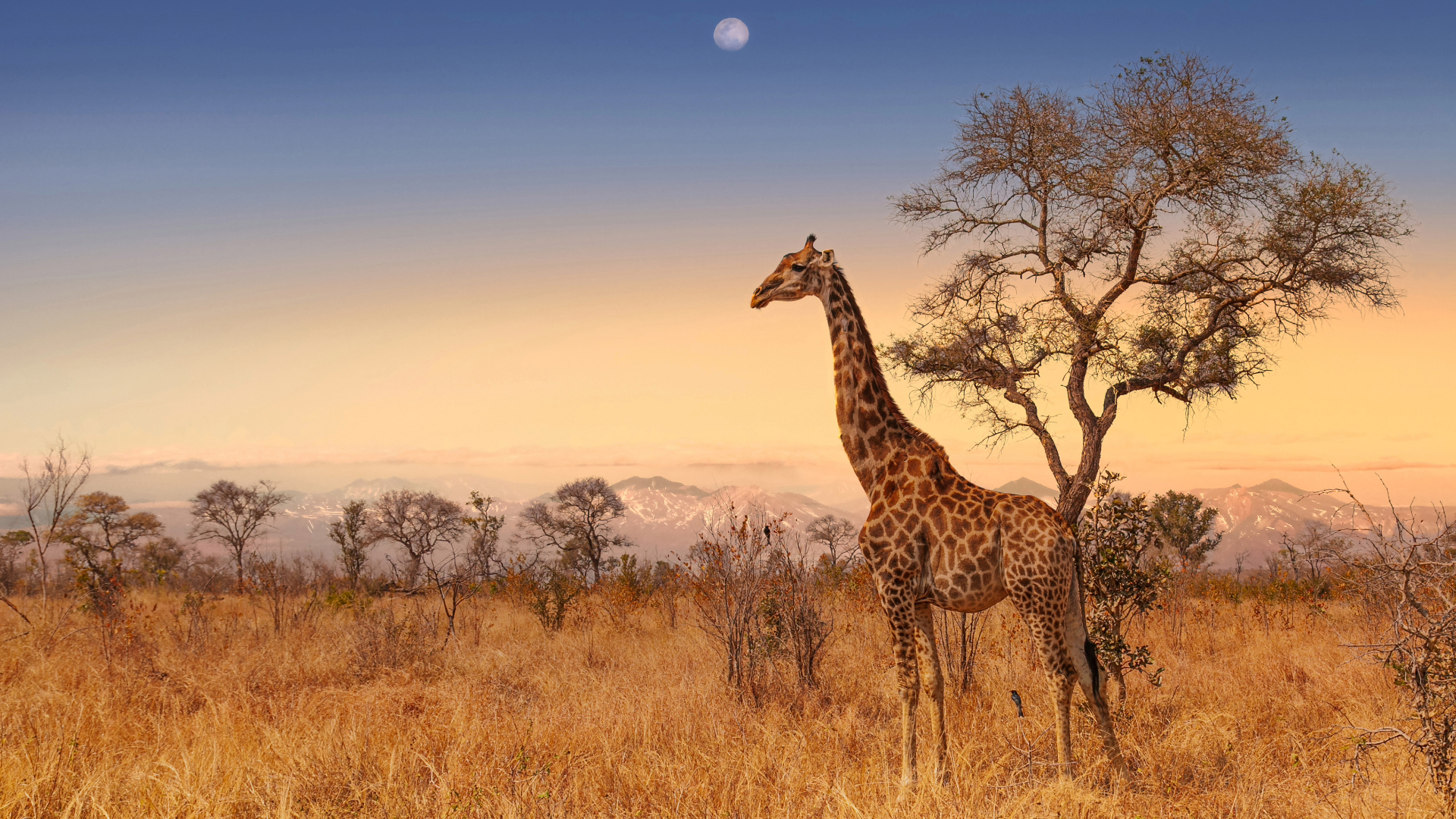
The giraffe reaches 5.5 to 6 meters tall. It is the world’s tallest living animal by a huge margin. No other species comes close to matching its incredible height. Every body system helps it manage this extreme size.
Its heart, blood vessels, neck, and legs have special adaptations. These features solve the challenges of being the tallest vertebrate. Understanding giraffes reveals a remarkable example of natural engineering. No other animal has solved these problems in the same way.
The Neck: Not Just for Reaching Leaves
The giraffe’s neck is long but not uniquely designed. It contains seven cervical vertebrae, like the human neck. Each vertebra is much longer than normal. The neck evolved because of several survival pressures.
It helps giraffes reach leaves unavailable to other herbivores. It also supports drinking, cooling, and male competition. The large neck surface helps with thermoregulation. Heat escapes through convection from the expanded area.
Male giraffes use their necks during fights called necking. They compete for access to females through these battles. Two bulls swing their necks like clubs. They use their ossicones as powerful striking weapons.
Strong necking blows can knock rivals unconscious. They can also cause serious injuries, including broken ribs. Males with larger, heavier necks often win fights. Studies show they also achieve higher reproductive success. Sexual selection has helped shape male giraffe neck development. Bigger necks provide advantages during competition.
Blood Pressure: The Engineering Challenge
Giraffes have the highest blood pressure among mammals. It is about twice that of humans. This pressure pushes blood from the heart to the brain. The brain sits about two meters above the heart.
Drinking creates another challenge for giraffes. They must lower their heads for several seconds. During this position, blood pressure must reduce safely. Otherwise, the giraffe could lose consciousness.
Special jugular vein valves control blood flow. They prevent blood from moving backward. The brain artery also contains a rete mirabile. This capillary network works as a pressure buffer.
Social Structure and Tower Behaviour
Giraffes live in flexible groups called towers. These groups do not have strict social rankings. Individuals join and leave groups freely. Their social structure changes frequently. A tower may contain females, calves, and males. The group can change completely within a day.
This fission-fusion system also occurs in elephants and chimpanzees. It helps animals adapt to changing environments.
Female giraffes usually give birth to one calf. The newborn falls over 1.5 meters to the ground. The calf stands within hours after birth. It can run within 24 hours. Fast development helps calves survive predators. Lions, leopards, and hyenas threaten young giraffes.
The mother protects her calf with powerful kicks. A giraffe kick can kill a lion. Several East African parks have recorded giraffes killing lions. Their kicks are among their strongest defenses.
Subspecies in East Africa
East Africa has three main giraffe subspecies. Each has unique patterns and habitats. The Maasai giraffe is the most widespread. It lives across Tanzania and Kenya.
It is commonly seen in the Serengeti and Maasai Mara. Its coat has irregular brown patches. The patches have jagged edges on a pale background. This pattern helps identify the species.
The reticulated giraffe lives in northern Kenya. It inhabits Samburu, Laikipia, and dry frontier areas. Its coat has large brown polygons. These shapes appear on a white-cream background.
Many consider it the most beautiful giraffe pattern. It is one of Africa’s most recognizable giraffes. The Rothschild’s giraffe is highly endangered. Some scientists classify it under the northern giraffe. It is found in Uganda’s Murchison Falls National Park. The park protects important populations of this giraffe.
Plan Your Safari
The Serengeti and Maasai Mara offer excellent Maasai giraffe sightings. Visitors often see large groups during game drives.
Kenya’s Samburu National Reserve is ideal for reticulated giraffes. It also offers unique dryland wildlife experiences.
Murchison Falls National Park is perfect for seeing Rothschild’s giraffes. Northern game drives provide regular sightings of large towers.
African Wild Trekkers includes all three giraffe subspecies in East Africa safari itineraries. Contact us to design a trip that covers Tanzania, Kenya, and Uganda’s giraffe diversity.