Side-striped Jackal Facts: Uganda’s Most Common Canid of Woodland and Savanna
The side-striped jackal is the most common canid in Uganda. In the wetter woodland zones of East Africa, it replaces the black-backed jackal as the dominant medium-sized canid. Less studied than its black-backed cousin, the side-striped jackal occupies forest margins, riverine woodland, moist savanna, and agricultural edges — habitat that the drier-country black-backed jackal avoids. The white-tipped tail is the quickest field identification feature. Spotting this white flag in the spotlight beam on a Uganda night drive immediately identifies the animal without any further examination needed.
What Is a Side-striped Jackal?
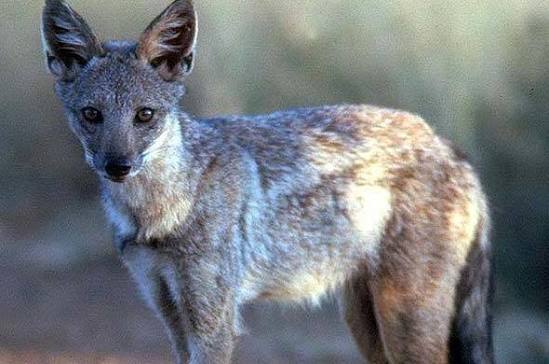
The side-striped jackal, Lupulella adusta, is one of three jackal species in Africa. Adults weigh between 6 and 12 kilograms. Shoulder height reaches 35 to 50 centimetres. The coat is grey-brown on the back with a pale or white lateral stripe running from the shoulder toward the hindquarters the feature that names the species, though this stripe is less vivid than the name implies and can be difficult to see in dim light. The tail is bushy and ends in a white tip this white tail tip is the most reliable identification feature and visible at considerable distance. Ears are large and rounded, somewhat less pointed than those of the black-backed jackal. The muzzle is longer and more pointed than the bat-eared fox, which shares some of the same habitat.
Habitat and Distribution in East Africa
Side-striped jackals favour moister habitats than black-backed jackals. Riverine woodland, forest margins, moist savanna, agricultural edges, and the zones around permanent water all suit the species. Uganda’s entire savanna and woodland zone supports side-striped jackals. Kenya’s wetter western highlands and the margins around the Maasai Mara’s damp valley floors hold the species alongside the more widespread black-backed jackal. Tanzania’s western lake zone, Katavi, and the wetter margins of Selous-Nyerere produce side-striped jackal encounters. The two species overlap significantly in transition zones between moist and dry habitat.
Social Structure and Diet
Side-striped jackals form long-term pair bonds, mirroring the black-backed jackal’s social system. Pairs hold and scent-mark a shared territory. Both partners raise pups cooperatively, with older offspring sometimes remaining as helpers. Diet spans rodents, small birds, reptiles, carrion, fruit, berries, insects, and human refuse near settlements. Fruit consumption is notable side-striped jackals eat figs, berries, and fallen forest fruits at a higher rate than black-backed jackals. This frugivory makes them seed dispersers for many woodland and forest-margin tree species.
The side-striped jackal’s call differs from the black-backed jackal’s wailing howl the side-striped produces a series of hooting, repetitive barks rather than the classic howl. This call difference helps identify the species when the animal remains unseen in woodland at night.
Night Drive Encounters in Uganda
Side-striped jackals are primarily nocturnal. Uganda’s Queen Elizabeth and Murchison Falls national parks deliver consistent night drive encounters. The white tail tip catches the spotlight at distance before the rest of the animal’s features resolve. Pairs frequently travel together along road verges during the early part of the night, hunting small rodents in the short grass beside the track. A pair working together on a hunt one flushing rodents from grass while the other intercepts — demonstrates the cooperative hunting strategy that makes pair bonds a fitness advantage in this species.
Plan Your Safari
Uganda’s Queen Elizabeth National Park and Murchison Falls produce the most reliable side-striped jackal encounters in East Africa. The Kasenyi and Ishasha plains produce pairs visible in the late afternoon before full dark. Night drives in both parks deliver multiple individual and pair encounters per drive in good conditions. Kenya’s Lake Nakuru and Aberdare foothills produce side-striped jackal sightings for visitors on the central Kenya circuit who pay attention to the small carnivore layer rather than focusing exclusively on large predators.
African Wild Trekkers designs Uganda safari itineraries with night drive programmes in both Queen Elizabeth and Murchison Falls. Contact us to plan a Uganda safari that reveals the country’s full nocturnal carnivore community alongside the famous tree-climbing lions and chimpanzees.