Maasai Homestead Visit Kenya Tanzania: Entering the Manyatta
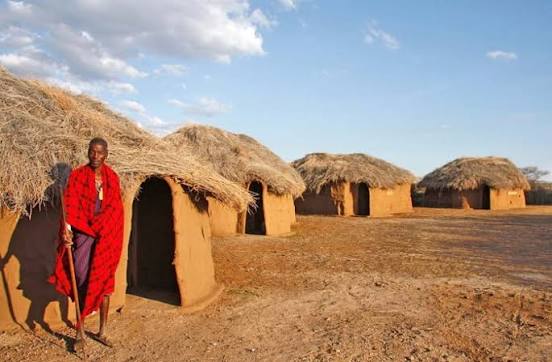
The Maasai manyatta is a circular enclosed settlement of mud and dung houses built around a central livestock enclosure. The design is functional. The cattle, goats, and sheep brought in at night are the community’s primary wealth. The manyatta’s circular wall and thorn-branch enclosure protect this wealth from predators.
The houses sit against the outer wall of the manyatta, their doors facing inward toward the livestock enclosure. The social structure of the manyatta is as precisely organised as its physical layout.
Entering a working manyatta with a guide who understands its protocols provides access to the physical space and the social system that defines Maasai daily life. This experience is not available through any formal booking process. It depends entirely on the guide’s community relationships.
Inside the Maasai Home
The interior of a Maasai house is a single space divided into sections. The cooking area occupies the centre. The sleeping areas for the woman, her youngest children, and newly born calves are arranged around the cooking fire. The smoke from the cooking fire has no chimney. It fills the interior and escapes slowly through the low entrance.
The interior is dark. The low entrance requires crouching to enter. This design is deliberate. The low entrance prevents large animals from entering directly. Eyes adjust to the interior’s darkness over several minutes.
Gradually the space reveals itself as a complete domestic environment with remarkable efficiency in its use of every available cubic metre. Furthermore, the smell of the interior is unique. Smoke, cattle, soured milk, and the specific clay of the house’s construction combine into a sensory signature that no other East African environment reproduces.
Maasai Beadwork and Material Culture
Maasai beadwork is one of East Africa’s most visually distinctive craft traditions. Women produce beadwork that communicates social information about the wearer. The specific colour combinations indicate age, marital status, number of children, and regional identity.
The beadwork is not decoration in the Western sense. It is a visual language read by other Maasai with the same facility that text communicates in literate cultures. Purchasing beadwork directly from the woman who made it at a manyatta visit provides authenticity that no curated craft shop can match.
Additionally, Maasai men carry the orinka throwing club and the short sword called the seme as constant daily items. The craftsmanship of both items reflects a material culture refined over centuries of pastoral nomadic life.
Avoiding Tourist Performance Visits
Maasai homestead visits range enormously in authenticity and quality. At the lower end sit staged visits to manyattas established specifically for tourist bus stops. These locations, the welcome is scripted, the dancing is performed on a schedule, and the crafts for sale were produced in bulk workshops rather than at the specific homestead.
At the higher end sit genuine community visits arranged by guides with real relationships in specific communities. The difference is immediately apparent to anyone who has experienced both.
The genuine visit involves an invitation from the family head, an explanation of appropriate conduct before arrival, time spent in the actual domestic space of a working family, and conversations that reveal something genuinely unexpected about Maasai life and values.
Plan Your Safari
Genuine Maasai homestead visits in Kenya are best arranged through camps in the Maasai Mara conservancy system whose guides come from the local Maasai community. The guide’s family network provides the access. The same applies in Tanzania’s Ngorongoro and Arusha regions.
Allow at least two hours for a genuine homestead visit rather than a 30-minute scheduled stop. The time taken for proper introductions, tea, and conversation before any formal activity produces the encounter’s most valuable content and cannot be rushed without losing the authenticity that makes the visit worthwhile.
African Wild Trekkers works exclusively with Maasai guides who provide genuine community access rather than staged tourist visits. Contact us to plan a Kenya or Tanzania safari that includes an authentic Maasai cultural encounter as an integral part of the itinerary.