Hadzabe Bush Walk Tanzania: Hunting With Africa’s Last Hunter-Gatherers
The Hadzabe are one of the last communities on earth who live by hunting and gathering as their primary subsistence strategy. They live around Lake Eyasi in northern Tanzania, between the Ngorongoro Highlands and the Rift Valley escarpment.
The Hadzabe number fewer than 1,000 people. They have resisted repeated government and NGO programmes aimed at settling them into agricultural communities. Their language is a click language unrelated to the Bantu languages of neighbouring groups.
Their material technology is unchanged from what the archaeological record shows for their ancestors 40,000 years ago. A morning spent with a Hadzabe group during their early morning hunt provides access to a way of engaging with the natural environment that modern humans elsewhere lost approximately 10,000 years ago.
The Morning Hunt
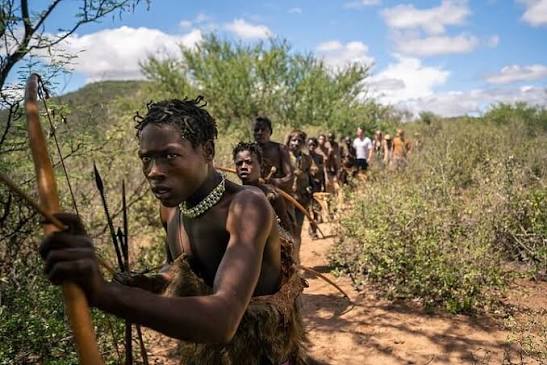
A Hadzabe morning hunt begins before dawn. The men wake in darkness, take their bows and arrows from the camp’s storage, and move out into the surrounding bush within minutes of waking. They carry nothing else.
The bow is handmade from wood found locally. The arrows use poison derived from plants gathered in the surrounding bush. The hunt is silent. The men communicate through hand signals and eye contact while moving through the scrub.
Small game is the primary target in the early morning. Dik-dik, guinea fowl, and hyrax are realistic quarry in the dry scrub around Lake Eyasi. The tracking skill the Hadzabe demonstrate during the morning is extraordinary by any objective standard. They read the bush at a pace and accuracy level that trained professional trackers in other East African communities describe with genuine admiration.
Gathering and Fire-Making
The Hadzabe women gather while the men hunt. They move through the bush collecting berries, tubers, and baobab fruit. use digging sticks to extract tubers from baked, hard soil with an efficiency that looks effortless. They carry gathered food in animal-skin pouches or woven fibre bags.
The Hadzabe’s knowledge of their local plant resources is encyclopaedic. They can identify, name, and describe the use of hundreds of plant species within their home territory.
Fire-making by friction is a skill that every Hadzabe adult maintains. The fire-making demonstration uses the hand-drill method and produces fire in under two minutes on a dry day with practised technique. Furthermore, fire-making is not ceremonial in the Hadzabe context. It is a daily practical necessity that the visit reveals in its functional context rather than as a staged performance.
Ethical Considerations and Community Benefit
The Hadzabe’s continued existence as a hunting and gathering community faces sustained pressure from land encroachment, tourism impact, and climate variability. Responsible Hadzabe visits are structured to contribute directly to the community’s income through a payment system managed by the community’s own representatives.
This direct payment model gives the Hadzabe control over visitor numbers, visit duration, and the specific activities they share with visitors. The payment stays in the community and contributes to the family group that hosted the visit.
Moreover, visiting with a guide who has a genuine long-term relationship with the Hadzabe community ensures that the visit protocols respect the community’s boundaries and preferences rather than extracting cultural content for tourist entertainment.
Plan Your Safari
Lake Eyasi lies approximately 2.5 hours south-west of Karatu, the gateway town below the Ngorongoro Crater rim. Most visits are structured as an overnight stay at one of the simple camps at the lake’s northern shore, allowing an early morning hunt departure before the heat of the day reduces bush activity.
The Lake Eyasi visit pairs naturally with the Ngorongoro Crater and Serengeti circuit in a northern Tanzania itinerary. Allowing two nights at the lake gives a more complete experience than a single morning visit.
African Wild Trekkers includes Hadzabe visits in northern Tanzania itineraries with responsible community payment structures and experienced cultural guides. Contact us to plan a Tanzania safari that adds this extraordinary human cultural encounter to the wildlife circuit.