African Hobby Facts: East Africa’s Fastest and Most Aerobatic Small Falcon
The African hobby is one of the most aerobatic birds in East Africa. It hunts swifts, swallows, and bats at high speed in the open air space above woodland and forest. Its acceleration, directional control, and sustained pursuit speed in the air exceed those of virtually every other bird in the region. A hunting African hobby chasing a swift above a forest canopy is one of the most dramatic aerial wildlife sequences available anywhere in East Africa.
The species is a resident of forest edge, tall woodland, and riverine forest zones. It is most active in the crepuscular hours — dawn and dusk — when its bat prey is available and when the swallows and swifts it pursues are concentrated in roosting flights above their roost sites. At these times of day, the hobby’s activity is at its peak and encounters are at their most rewarding.
Identification
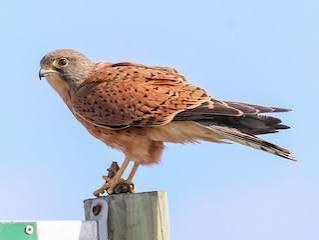
The African hobby is a small falcon measuring 28 to 30 centimetres. The upperparts are dark blue-grey to black. The underparts are rufous-orange with dark streaking. The head shows a complete dark cap extending to the cheeks, with a pale throat that contrasts with the dark head. The moustachial stripe is dark and clearly defined.
The rufous-orange underparts immediately distinguish the African hobby from the migrant Eurasian hobby in areas where both might occur. The Eurasian hobby shows white underparts with dark streaking rather than the solid rufous colour of the African species. This underwing colour difference is visible in flight from below and is the most reliable distinction between the two species in the field.
In flight, the African hobby shows long, pointed wings and a short tail typical of high-speed aerial hunters. The flight silhouette resembles a large swift more than a typical falcon when the bird is in fast pursuit flight. The pointed wing and small body combine in a streamlined shape that allows the extreme speeds the species reaches in active pursuit.
Hunting Behaviour and Prey
African hobbies hunt in direct, high-speed pursuits of airborne prey. Swifts and swallows are primary targets. The hobby accelerates behind a fleeing swift in a direct tail chase, matching the swift’s directional changes at high speed until the quarry tires or makes a mistake that allows the falcon to close the gap. The final capture is made with the talons extended in a swift strike.
Bats are hunted at dusk and in the early minutes of darkness. The hobby hunts by locating bats against the fading sky, then striking from above. The bat’s erratic flight makes pursuit more difficult than a swift pursuit but the reduced visibility at dusk creates opportunities for ambush that daylight hunting does not provide.
Furthermore, the African hobby takes large insects in the air during insect flight events. Termite emergence flights and large locust swarms attract hobbies in numbers far beyond those seen in normal hunting conditions. Multiple individuals hunting simultaneously over a termite emergence creates one of East Africa’s most energetic small raptor spectacles.
Where to See African Hobbies in East Africa
The African hobby is most reliably found at forest edge and tall woodland destinations throughout East Africa. The species is present in Uganda, Kenya, and Tanzania wherever tall forest or woodland provides the base for aerial hunting over adjacent open country.
Uganda’s forest national parks and the tall riverine forest along the Nile River between Murchison Falls and the delta all provide African hobby habitat. The Kazinga Channel area in Queen Elizabeth National Park produces hobby sightings in the tall trees above the channel during the crepuscular activity periods.
Kenya’s highland forests and the tall riparian woodland along the larger rivers produce hobby sightings during morning and evening drives. Tanzania’s Selous-Nyerere tall woodland along the Rufiji River and the tall miombo woodland of Ruaha National Park both carry the species.
Plan Your Birding Safari
African hobby sightings are most reliable in the crepuscular activity periods at forest edge and tall woodland destinations. The species requires an early morning or late afternoon drive or boat activity through suitable habitat for the highest encounter probability.
Uganda’s Murchison Falls area and Queen Elizabeth National Park provide the most accessible African hobby habitat within the standard Uganda safari circuit, combining hobby sightings with the other raptor diversity of Uganda’s savanna and forest zones.
African Wild Trekkers includes morning and evening raptor watching periods in East Africa safari itineraries at forest edge destinations. Contact us to plan a safari that captures East Africa’s most aerobatic falcon alongside the region’s full raptor diversity.