African Lion Pride Facts: Discover the Social Life of Africa’s Kings
Introduction to African Lion Prides
African lions are among the most iconic animals on Earth. Unlike most big cats, lions are highly social and live together in groups called prides.
A lion pride is built around cooperation, protection, and family relationships. Living together helps lions hunt, raise cubs, defend territories, and survive in Africa’s challenging landscapes.
Watching a lion pride interact in the wild offers a powerful glimpse into the complex social world of these incredible predators.
What Is a Lion Pride?
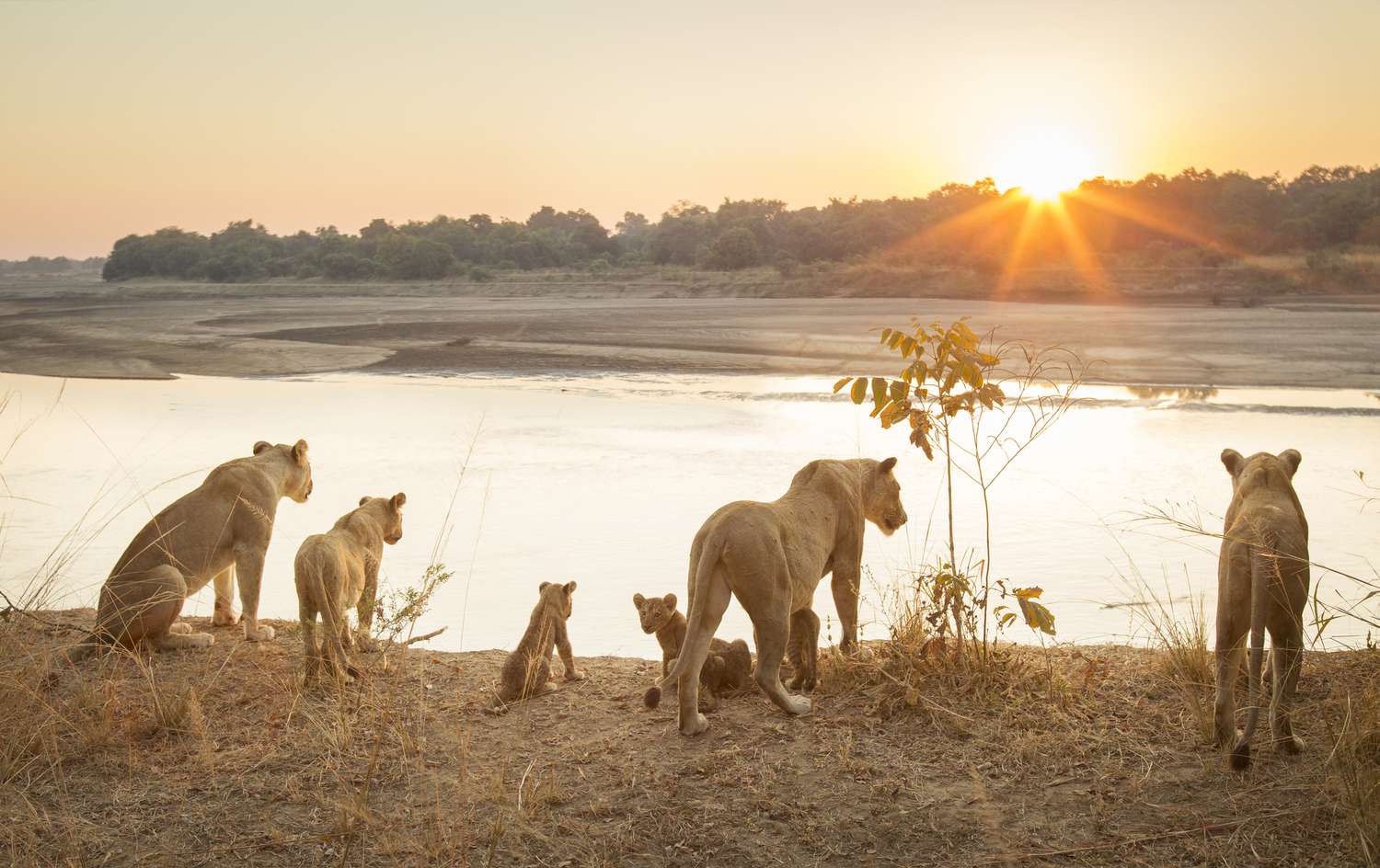
A lion pride is a family group made up of several lions living and moving together. A typical pride includes related females, their cubs, and one or more adult males. The size of a pride can vary depending on habitat, food availability, and environmental conditions. Some prides may have only a few members, while others can include more than 20 lions.
Each pride has its own territory, hunting patterns, and social relationships.
The Role of Male Lions in a Pride
Male lions play an important role in protecting the pride. Their main responsibility is defending the territory and the members of the group from rival males. A dominant male often controls access to females and helps protect young cubs from outside threats.
Male lions use their powerful roars, scent markings, and physical strength to warn competitors and maintain their territory.
The Importance of Female Lions
Female lions are the heart of the pride. They work together to hunt, raise cubs, and protect the group. Lionesses often form strong bonds because many females in a pride are related. Sisters, mothers, and daughters may live together for many years.
During hunts, lionesses cooperate by using different strategies to surround and capture prey.
Lion Pride Hunting Behavior
Cooperation gives lions an advantage when hunting. Lionesses usually take the leading role during hunts because they are smaller, faster, and more agile than males. They work together to approach prey quietly before launching a coordinated attack.
Lions mainly hunt animals such as zebras, wildebeest, buffalo, and antelopes. Their success depends on teamwork, patience, and timing.
Lion Cubs and Family Life
Lion cubs are born vulnerable and depend completely on their mothers for protection and care. A lioness usually gives birth to several cubs after a pregnancy of about three and a half months.
Cubs spend their early weeks hidden away from the pride before being introduced to other members. Within the pride, cubs receive protection from many adults. They learn important survival skills through play and observation.
Lion Pride Communication
Lions communicate through roars, body language, facial expressions, and scent markings. A lion’s roar can travel long distances across the savannah. It helps members locate each other and warns rival lions to stay away.
Grooming, rubbing against each other, and playful behavior also strengthen relationships within the pride.
How Lions Establish Territory
Territory is extremely important for a lion pride. It provides access to food, water, and safe areas for raising cubs.
Lions mark their territory using scent markings and powerful roars. Male lions spend much of their time defending these areas from competing males. Territorial battles can be intense because control of a pride determines access to resources and breeding opportunities.
Lion Pride Dynamics and Leadership
Lion prides change over time. Male lions may take over a pride by challenging and replacing existing males. When new males take control, they may kill young cubs from the previous males. This allows the new males to reproduce with the females and continue their genes.
Female lions often remain with their birth pride, while young males usually leave when they mature.
Where Can You See African Lion Prides?
Africa offers many destinations where travelers can observe lion prides in the wild. The Serengeti National Park in Tanzania and Maasai Mara National Reserve in Kenya are famous for large lion populations.
Uganda’s Queen Elizabeth National Park is also known for tree-climbing lions, while South Africa’s protected areas provide excellent lion viewing opportunities.
Why Lion Prides Matter for Conservation
Lions play an important role in maintaining healthy ecosystems. As top predators, they help control prey populations and support natural balance. However, lions face threats from habitat loss, human-wildlife conflict, and declining prey numbers.
Conservation programs focus on protecting habitats, supporting communities, and ensuring lions continue to survive in the wild.
Plan Your African Lion Safari Experience
Planning to see an African lion pride in its natural habitat is one of the most unforgettable wildlife experiences. Watching lionesses work together, cubs play, and males protect their territory reveals the true meaning of teamwork and survival.
A lion safari offers more than a chance to see a famous predator. It provides a connection with one of Africa’s most powerful and fascinating species.