East Africa’s Best Photographic Safari 2026: Uganda, Rwanda, Kenya, or Tanzania
Which Country Offers the Best Photographic Safari in East Africa?
East Africa offers some of the world’s finest wildlife photography opportunities. However, each country provides a unique experience. Uganda rewards photographers with intimate primate encounters and lush forest scenes. Kenya delivers dramatic savanna landscapes and iconic wildlife. Rwanda offers unforgettable mountain gorilla portraits in volcanic forests, while Tanzania combines exceptional wildlife density with the breathtaking Great Migration.
Choosing the best destination depends on the wildlife you want to photograph and the type of images you hope to create. Understanding each country’s strengths will help you plan a safari that matches your photography goals.
What Makes a Great Photographic Safari?
A photographic safari differs from a traditional game drive. Success depends on several factors, including lighting, wildlife behavior, vehicle positioning, and the amount of time spent at each sighting.
Unlike standard safaris, photographic safaris allow more time with animals. This flexibility lets photographers wait for the perfect moment instead of rushing to the next location.
Light, Timing, and Wildlife Access
Early mornings and late afternoons provide the best natural light for wildlife photography. The warm colors of the golden hours create dramatic landscapes and softer animal portraits.
Equally important is access to wildlife. Parks with fewer vehicles allow photographers to compose cleaner images without distractions. In some destinations, off-road driving is permitted, giving guides greater flexibility to position vehicles for the best angles.
Seasonal timing also plays a major role. The Great Migration follows predictable routes through Kenya and Tanzania, while gorilla trekking in Uganda and Rwanda provides close-up portraits that cannot be captured anywhere else. Bird photographers often prefer the green season, when migratory species arrive and breeding plumage reaches its peak.
Kenya: Classic Safari Photography
Kenya remains one of Africa’s most iconic photography destinations. The Maasai Mara offers outstanding opportunities to photograph lions, cheetahs, leopards, elephants, and the annual Great Migration.
During migration season, thousands of wildebeests and zebras cross the Mara River, creating dramatic action scenes. Cheetahs also thrive on the open plains, allowing photographers to capture extended hunting sequences in excellent light.
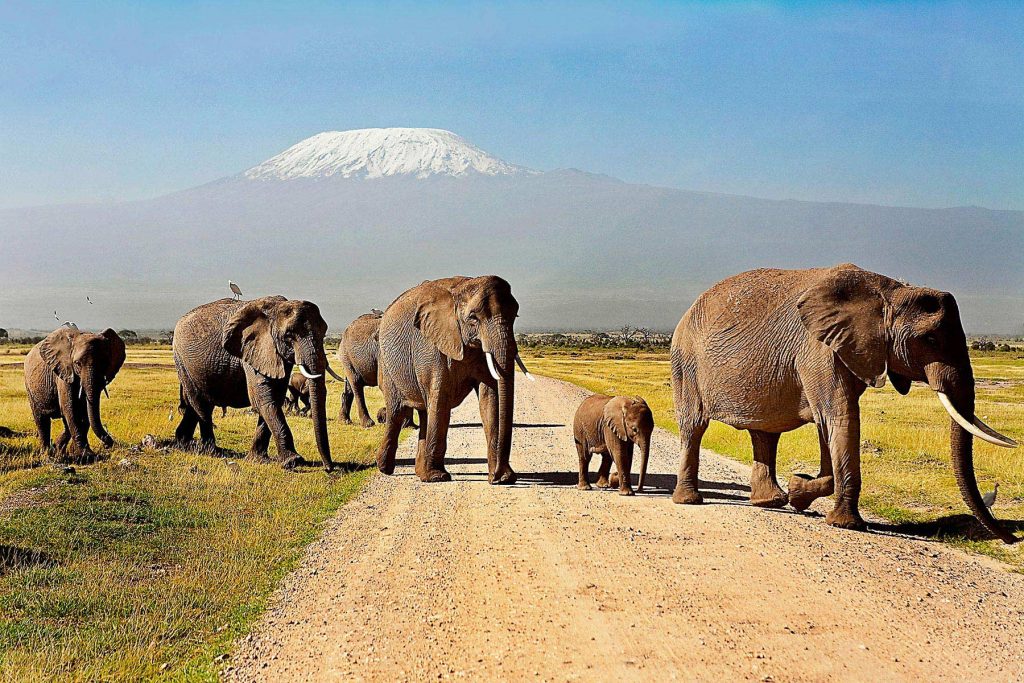
Amboseli National Park provides another classic African image. Large elephant herds roam across open plains with Mount Kilimanjaro rising in the background. On clear mornings, reflections in the park’s wetlands create spectacular landscape compositions.
For photographers seeking unique species, Samburu National Reserve offers dry landscapes and northern wildlife such as the Grevy’s zebra, reticulated giraffe, Beisa oryx, Somali ostrich, and gerenuk.
Tanzania: The Great Migration and Endless Plains
Tanzania offers extraordinary photographic diversity. The Serengeti National Park forms the heart of the Great Migration and supports exceptional predator populations throughout the year.
Between January and March, the southern Serengeti hosts the calving season, attracting lions, cheetahs, and hyenas. From July to October, dramatic Mara River crossings become the highlight for wildlife photographers worldwide.
The Serengeti’s vast size also allows photographers to escape busy areas and discover quieter locations with equally rewarding wildlife encounters.
Ngorongoro Crater provides a completely different setting. The crater floor supports abundant wildlife within a relatively small area, making sightings frequent and photography highly productive. Black-maned lions, elephants, rhinos, and flamingos all contribute to diverse photographic opportunities.
Beyond wildlife, the Ngorongoro Highlands also offer cultural photography with Maasai communities living near the conservation area.
Uganda: Primate Photography Paradise
Uganda is the leading destination for photographers interested in primates. Bwindi Impenetrable National Park and Mgahinga Gorilla National Park protect nearly half of the world’s remaining mountain gorillas.
A gorilla trekking permit allows visitors to spend one unforgettable hour with a habituated family. Photographing gorillas requires different techniques than photographing savanna wildlife. Dense forests, changing light, and close encounters reward patience and careful composition.
Kibale National Park complements gorilla trekking with exceptional chimpanzee photography. The chimpanzee habituation experience allows up to four hours with a community, creating excellent opportunities to capture behavior, social interactions, and expressive portraits.
Queen Elizabeth National Park adds classic safari photography to a Uganda itinerary. Tree-climbing lions in Ishasha, elephants, buffaloes, leopards, and abundant birdlife provide excellent variety.
Rwanda: Mountain Gorilla Portraits
Rwanda offers one of Africa’s most accessible gorilla trekking experiences. Volcanoes National Park protects several habituated gorilla families within the Virunga Mountains.
The park’s bamboo forests and volcanic slopes create a unique photographic setting that differs from Uganda’s dense rainforest. In some trekking areas, more open vegetation allows better natural light for photography.
Rwanda’s compact size also makes it ideal for travelers with limited time. Visitors can combine gorilla trekking with Kigali city experiences or extend their journey into Kenya or Tanzania for a complete East African photography adventure.
Which Country Is Best for Wildlife Photography?
The best destination depends on your photographic interests.
- Choose Kenya for classic safari landscapes, big cats, and dramatic migration scenes.
- Choose Tanzania for the Great Migration, predator action, and diverse ecosystems.
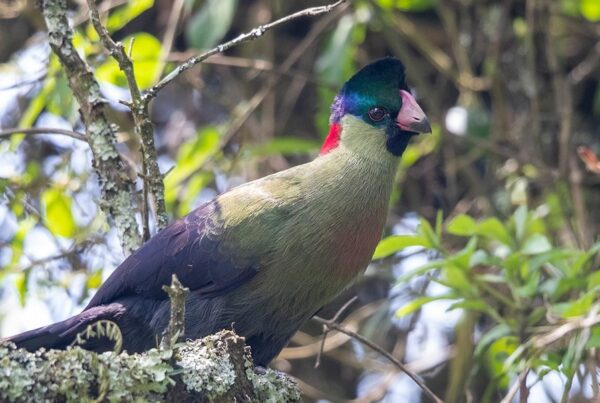
- Choose Uganda for mountain gorillas, chimpanzees, forest wildlife, and exceptional bird photography.
- Choose Rwanda for intimate gorilla portraits and shorter travel times.
Many photographers achieve the best results by combining two or more countries. For example, pairing Uganda or Rwanda with Kenya or Tanzania creates a portfolio that includes both forest primates and open savanna wildlife.
Plan Your Photographic Safari
A successful photographic safari requires careful planning. Gorilla permits in Uganda and Rwanda often sell out months in advance, while migration photography depends on seasonal wildlife movements.
Choosing the right lodges, experienced guides, and suitable safari vehicles also makes a significant difference. Longer stays at key locations provide better opportunities to capture exceptional images in changing light conditions.
African Wild Trekkers designs customized photographic safaris across Uganda, Rwanda, Kenya, and Tanzania. Our itineraries include expert guides, carefully selected accommodations, and experiences tailored to wildlife photographers.
Contact African Wild Trekkers today to start planning a photographic safari that captures the beauty and diversity of East Africa.