How to Book an East Africa Safari: Step by Step From Research to Reservation
The Safari Booking Process: A Step-by-Step Overview
Booking an East Africa safari can feel overwhelming on first approach. The volume of information online and the number of operators competing for attention make it difficult to know where to start. The range of accommodation tiers and itinerary options adds complexity. And the language of safari marketing is simultaneously enthusiastic and vague. Identifying the right option genuinely takes effort. The process is actually straightforward once you understand what each step involves and what decisions you need to make in what sequence. This guide walks through the booking process from initial research to confirmed reservation in concrete steps. It identifies what to do at each stage and what questions to ask. And what to watch out for as you narrow down from a broad interest in East African safaris to a specific confirmed itinerary.
This guide addresses travelers booking a Tanzania or East Africa safari for the first time. The framework applies equally to repeat safari visitors who are building more complex multi-country itineraries. The steps are sequential, and each builds on the previous. Skipping ahead to step five without completing step two typically results in comparing incompatible quotes and making decisions based on incomplete information.
Step 1: Define Your Travel Parameters
Dates, Duration, Group Size, and Budget
Starting with What Is Fixed Before What Is Flexible
The first step in booking an East Africa safari is defining the travel parameters that are genuinely fixed. The non-negotiable constraints that determine what is possible. Fixed parameters for most travelers include international departure dates determined by work schedules or school terms, total trip duration, and the number of people traveling. These fixed parameters immediately determine the range of itinerary structures that are realistically possible and eliminate those that are not. This narrows the field from “everything available in East Africa” to “what is achievable within these specific constraints.”
Budget is both a fixed parameter and a flexible one. There is a maximum you can spend, but within that maximum, understanding how different amounts translate to different experience qualities helps you decide where to position. Establishing a realistic per-person budget range before requesting quotes from operators allows you to receive quotes genuinely within your range. This is better than receiving a spread from budget camping to ultra-luxury. If the total available budget is USD 8,000 per person, including international flights, this means approximately USD 5,500 to 6,000 for the in-country safari component after flights. This positions you clearly in the mid-range accommodation tier for Tanzania’s northern circuit.
Step 2: Choose Your Primary Destination
Tanzania, Kenya, Uganda, Rwanda, or a Combination
Matching the Destination to Your Wildlife Priorities
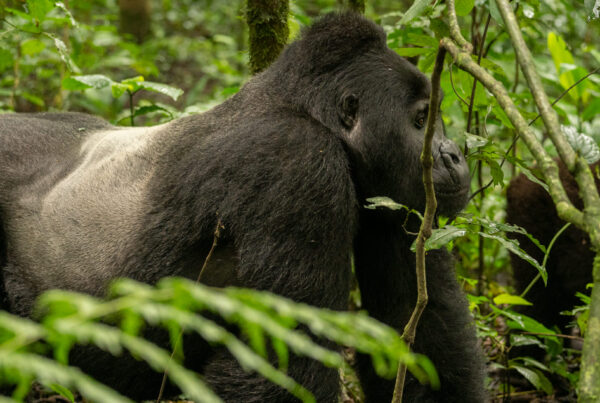
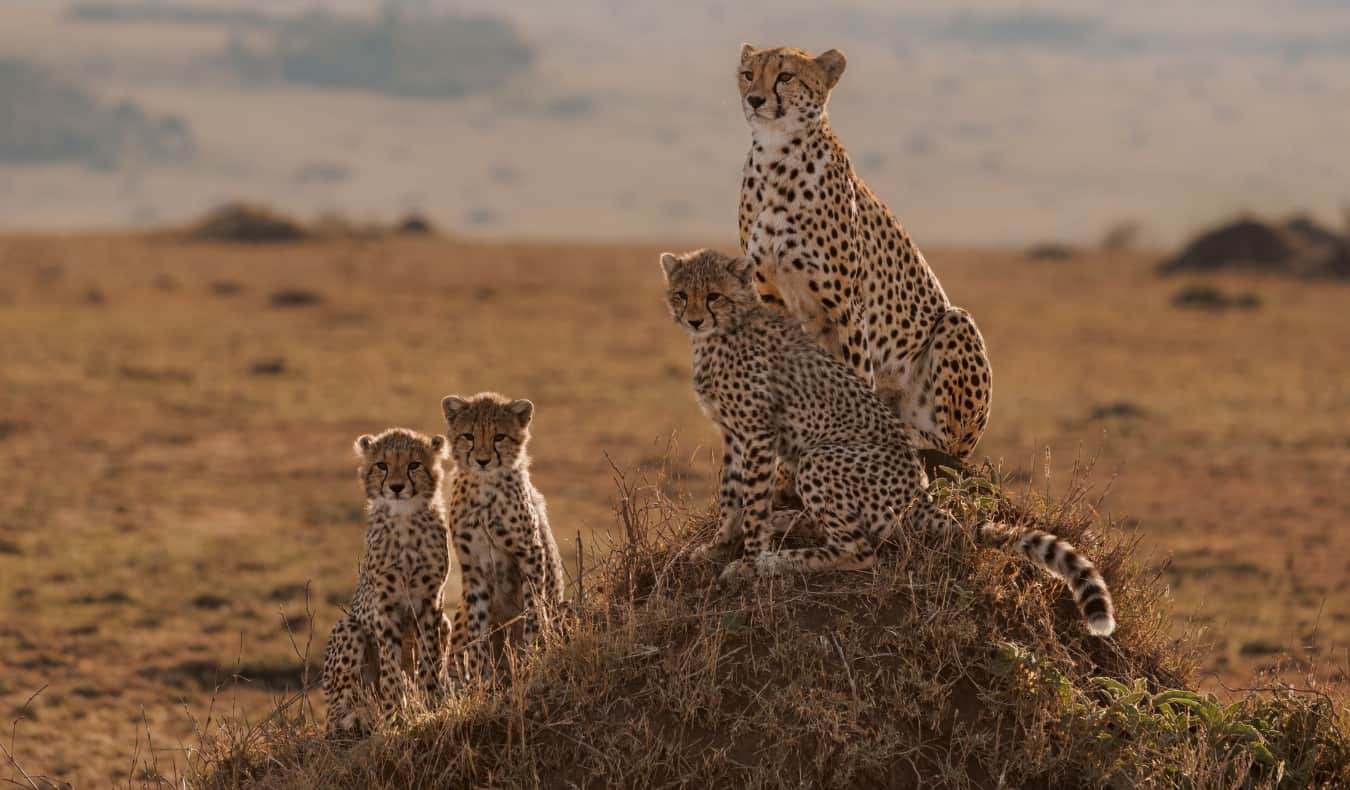
Once you establish fixed parameters, the second step is choosing which country or countries your safari will cover. This decision should follow your specific wildlife priorities rather than destination name recognition. If the wildebeest migration is your primary motivation, your itinerary centers on Tanzania’s Serengeti. For the Mara River crossing component specifically, Kenya’s Masai Mara is the right choice between July and October. If mountain gorillas are the priority, Rwanda’s Volcanoes National Park or Uganda’s Bwindi Impenetrable Forest is the primary anchor. If Big Five reliability is the goal, Tanzania’s northern circuit—Serengeti and Ngorongoro—is the most efficient structure. If you want a combination of great apes and open-savannah wildlife, a Uganda or Rwanda plus Tanzania structure delivers both.
The most common mistake at this step is choosing a destination based on an inspirational photograph or a single striking piece of content. This leads to choosing based on aesthetics rather than honestly matching the destination’s specific wildlife offer to your actual priorities. Tanzania is the right choice for most first-time East Africa safari visitors whose primary goal is open-savanna Big Five wildlife. It delivers this at scale and reliability that no other region matches. Kenya is the right choice for migration crossings at the Mara River specifically. Rwanda or Uganda is the right choice if gorilla trekking is the primary motivation. Understanding which destination genuinely serves your specific interest produces a more satisfying trip than choosing based on brand recognition.
Step 3: Research Operators and Request Quotes
Who to Contact and What to Ask
How to Identify Reputable Safari Operators
East Africa safari operators range from well-established, highly rated companies with decades of operation to recently formed or loosely affiliated operations with limited track records and inconsistent quality. Identifying reputable operators requires looking at specific indicators rather than marketing copy. Ask how long the company has been operating — verifiable through registration records and online presence history. Check how many independent reviews exist on platforms like TripAdvisor, SafariBookings, and Google Maps. Look at the company’s physical presence in Arusha or Nairobi. A street address and a contact number that works when called are good signs. Confirm whether the company has a clearly articulated guide training and employment policy that distinguishes permanently employed guides from freelancers hired trip by trip.
When requesting quotes, provide every operator with the same specific brief: exact dates, total group size, your top three wildlife priorities in order, and accommodation tier preference. And any specific parks you know you want to include or exclude. Identical briefs allow direct comparison of the quotes received. Request fully itemized quotes that specify exactly what is and is not included. A quote that says “all-inclusive” without itemization is not comparable to a quote that specifies which park fees, vehicle type, accommodation, and meal plan are covered. The itemization request itself is a quality test. Reputable operators provide detailed itemized quotes as a matter of course. Operators who resist itemization often hide exclusions that only appear at the point of the trip.
Step 4: Compare Quotes and Evaluate Value
Not Just Price, But Price for What
What the Quote Comparison Actually Involves
Comparing multiple operator quotes for what appears to be the same itinerary often reveals significant differences in what is actually included. The quality tier of accommodation, the vehicle configuration, and the guide type can all differ substantially. A quote that is USD 500 per person cheaper than two competitors but uses shared vehicles with other passengers is not a like-for-like comparison. It may also use budget lodges near park boundaries rather than inside them. A quote that appears equivalent in price but uses a guide who works as a full-time staff member rather than a freelance daily hire is providing a meaningfully different product. This is true even if the itinerary structure is otherwise identical.
The most valuable comparison tool is asking each operator to specify the exact accommodation names. Not just “mid-range lodge” but the specific properties. Ask about the vehicle type: Land Cruiser with pop-up roof or minibus with windows. Confirm whether the vehicle is private or shared and whether the guide is a permanent employee or freelancer. And all park fees. Including vehicle fees and any conservancy fees are included. With this level of specificity, you can evaluate whether a price difference between two quotes reflects a genuine product quality difference or simply a difference in what each quote includes. The cheapest quote that meets all your inclusion requirements is the best value. Not the cheapest quote regardless of inclusions.
Step 5: Confirm and Pay the Deposit
What to Check Before Committing
Contract Terms and Cancellation Policies
Before paying any deposit to an East Africa safari operator, read the booking terms and conditions carefully. Pay specific attention to the cancellation policy. Check what the deposit payment covers. Typically 25 to 30 percent of the total trip cost is to hold accommodation and make initial bookings. Confirm when the balance is due. Find out what happens in the event of operator insolvency or force majeure events such as natural disasters, political disruption, or global health events. A reputable operator’s terms include clear cancellation percentage schedules tied to notice periods. The operator will write the terms in plain language that is comprehensible without legal expertise. Avoid operators whose terms include very high early cancellation penalties or ambiguous force majeure clauses that could leave you without recourse.
Payment security is also worth confirming. Paying by credit card rather than bank transfer provides credit card chargeback rights if the operator fails to deliver the booked service. Bank transfer payments do not offer this protection. Some operators accept only bank transfers for logistical or cost reasons. This is not necessarily a red flag, but it means relying entirely on the operator’s good faith and solvency rather than having a payment protection mechanism. Travel insurance with trip cancellation coverage that includes operator insolvency is particularly important if you pay by bank transfer without credit card protection.
Plan Your Safari
The safari booking process works best when you treat it as a collaborative conversation with the operator rather than a transactional purchase. Operators who ask good questions about your wildlife priorities, previous Africa experience, and physical fitness for gorilla trekking or walking safaris. And any health considerations relevant to the activity program provide genuinely better service. The best East African safaris result from operator expertise and traveler priorities aligning through communication. Selecting the cheapest quote for a predetermined fixed itinerary rarely produces the same result.
African Wild Trekkers invites every potential guest to a consultation conversation before providing a quote. By email, WhatsApp, or video call. To ensure that the itinerary we design reflects your actual wildlife priorities and travel constraints rather than a generic northern circuit template. We provide fully itemized quotes with all inclusions and exclusions specified and respond to questions throughout the planning process.
Contact African Wild Trekkers at africanwildtrekkers.com/contact with your travel dates and safari priorities, and we will schedule a consultation call and provide your itemized quote within 24 hours.