Best Safari Binoculars 2026: Tested & Ranked for Wildlife Watching
Why Binoculars Are Essential Safari Equipment
Good binoculars are the most consistently under-packed item in every first-time safari traveler’s kit. Most people assume that game drives bring animals close enough to see clearly with the naked eye. They also assume that binoculars are primarily for watching distant birds. This assumption is wrong in both directions. Many of the most spectacular wildlife moments happen at distances where the detail that makes the moment extraordinary is completely invisible without optical assistance.
A leopard’s spotted face watching from a tree, a lion cub’s expression as it watches its mother hunt, the plumage of a lilac-breasted roller perched on a dead branch. All are invisible to the naked eye at a distance. Binoculars also serve as an early warning system. Allowing travelers to scan treelines and riverbanks. And distant grassland for animals before the vehicle reaches them.
Every experienced safari guide carries binoculars as a primary field tool. And travelers who bring good optics consistently report richer and more detailed wildlife observations than those who don’t.
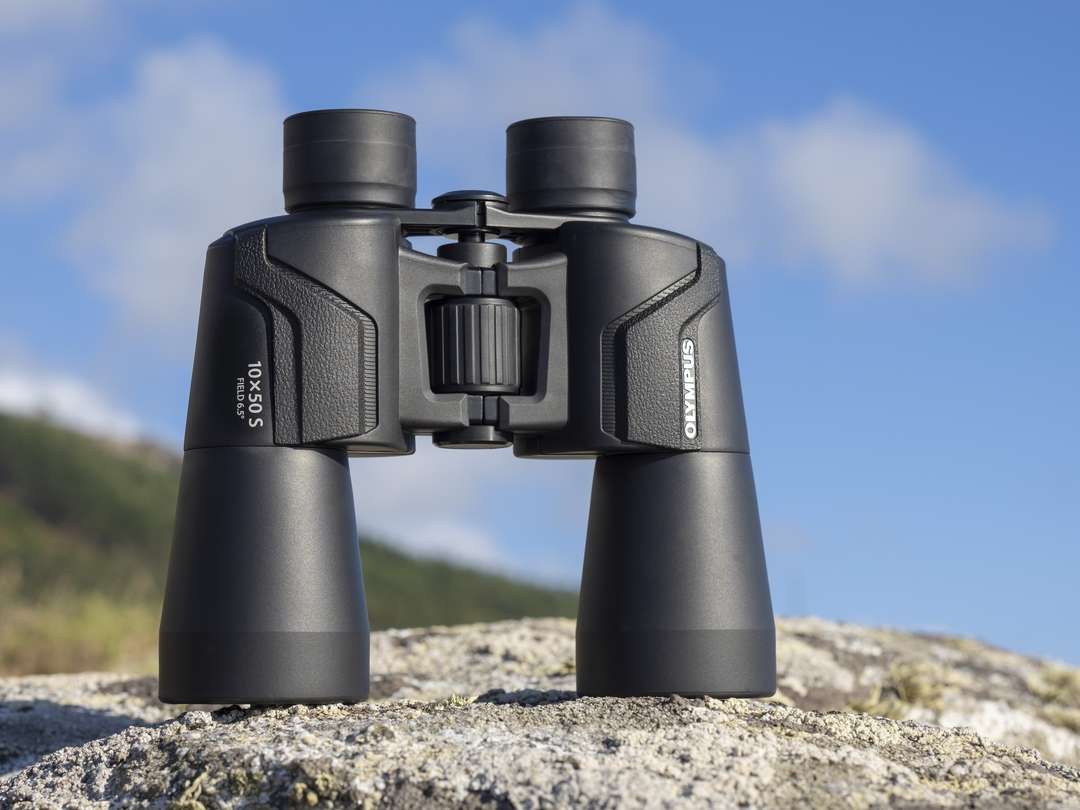
Choosing safari binoculars requires balancing magnification, objective lens diameter, weight, and durability against budget. The specification format (8×42, 10×50, etc.) describes magnification power first and objective lens diameter in millimeters second. Higher magnification produces a larger image but a narrower field of view. It also increases sensitivity to hand shake at higher zoom levels.
Larger objective lenses gather more light, which improves performance in the low-light conditions of dawn and dusk game drives but adds weight. For safari use, the most practical combination for most travelers is 8×42 or 10×42. Providing excellent magnification with adequate field of view and a manageable weight around 600 to 800 grams.
The following recommendations cover the best options at three price points tested for African wildlife watching specifically.
Best Safari Binoculars by Budget
Entry Level, Mid-Range, and Premium Options
Entry Level: Under $300
The entry-level binocular market has improved dramatically in the past decade. Travelers who cannot justify spending more than $300 on optics can still find genuinely capable safari binoculars in this tier. The Nikon Prostaff P7 8×42 and 10×42 offer optical quality that significantly exceeds what the price suggests. They have fully multi-coated optics that deliver good brightness and contrast in the early morning conditions that most safari game drives begin in.
The build quality is robust for the price — rubber-armored and waterproof. The ergonomics are comfortable for extended use from a vehicle. The Vortex Crossfire HD 8×42, also under $200, represents similarly good value. Vortex’s unlimited lifetime warranty adds peace of mind to an already capable optical package. Both of these represent genuinely usable safari binoculars that will not let travelers down in the field.
The difference in image quality between these and mid-range options is real. But subtle rather than dramatic in most daylight viewing conditions.
What entry-level binoculars cannot replicate at any price is the twilight performance of higher-end glass. In the critical first and last 30 minutes of each day. When dawn and dusk predator activity is at its peak.
Entry-level optics produce noticeably dimmer, lower-contrast images than mid-range and premium alternatives. The low-light limitations of cheaper glass become most apparent precisely when you most want your binoculars to perform.
For travelers who plan extensive early-morning and evening game drives or who have any interest in birding in the forest shade, the upgrade to mid-range glass is worth considering. The daylight performance difference may seem marginal in a shop comparison, but at dawn and dusk it becomes very apparent.
Mid-Range: $300-$800
The mid-range tier represents the sweet spot for serious safari binoculars. Optical quality improves dramatically over entry level while remaining within the budget of most travelers investing in the safari experience. The Vortex Viper HD 8×42 and 10×42 consistently rank among the best value wildlife binoculars at any price point.
Their high-density (HD) glass and fully multi-coated lenses deliver image clarity and low-light performance significantly above what their price suggests.
The Nikon Monarch M7 8×42 is another strong mid-range contender. It uses ED (extra-low dispersion) glass elements that reduce chromatic aberration and improve color accuracy. Particularly noticeable when viewing birds in bright African light conditions where color rendition matters significantly.
Both the Vortex and Nikon mid-range options are fully waterproof and fog-proof (nitrogen-purged). And durable enough for the dust and vibration of daily game drives across African bush roads.
The Zeiss Terra ED 8×42 represents the top of the mid-range tier. It delivers image quality that approaches premium binoculars in most field conditions. Zeiss’s optical heritage and manufacturing quality control produce a level of image sharpness and low-light performance that is genuinely noticeable when compared side-by-side with $300 binoculars in pre-dawn light.
The Terra ED is heavier than its Vortex and Nikon competitors. 780 grams. Which becomes relevant on a day that includes a three-hour morning drive and a two-hour afternoon drive. Travelers on a budget should compare the Zeiss Terra directly with the top-end mid-range Vortex and Nikon options in a shop before committing. The real-world performance difference between them is smaller than the price difference at normal daylight viewing conditions.
Premium Safari Binoculars
The Best Glass for Serious Wildlife Watchers
Zeiss, Swarovski, and Leica: Africa’s Best Optics
The premium binocular tier—Zeiss Victory SF, Swarovski EL Range, and Leica Noctivid. And similar instruments in the $1,500 to $3,000 range represent the absolute peak of optical quality available to safari travelers. It produces a genuinely different viewing experience from everything below it in the price range. The light transmission, color accuracy, edge sharpness, and low-light performance of these instruments in the specific conditions of African wildlife watching are measurably superior to mid-range glass.
These differences matter most at dawn game drives, in forest shade. And in the flat high-contrast light of the African midday. Birders in particular find the premium tier a significant upgrade for the close-focus performance needed in forest birding contexts and the color accuracy needed to differentiate similar species in flat forest light.
The Swarovski EL 8.5×42 consistently ranks as the standard against which all other safari binoculars are measured. It combines exceptional optical performance with ergonomics that are genuinely superior to the competition.
The Swarobright coating delivers maximum light transmission at precisely the twilight conditions that matter most for serious wildlife observation. The Zeiss Victory SF 8×42’s field flattener lenses eliminate edge softness that characterizes most binoculars’ performance. This produces a sharp image across the full field of view—a difference most noticeable when tracking fast-moving subjects.
The Leica Noctivid 8×42 combines Leica’s optical heritage with arguably the best low-light performance of any 8×42 binocular on the market. This is particularly relevant for travelers who plan night drive programs or early forest birding starts at the absolute limits of usable light.
Practical Binocular Tips for Safari
Regardless of which binoculars you choose, a neck strap that distributes weight across both shoulders dramatically improves comfort over long game drives. Several manufacturers make harness-style binocular straps designed specifically for extended wildlife watching use. Travelers who spend four to six hours daily in a game drive vehicle discover the value of these within the first morning.
A rain and dust guard over the objectives that can be removed quickly without taking the binoculars away from the eyes is worth sourcing for African conditions. Dust storms, brief passing rain showers, and spray from river crossings can foul objective lenses in seconds. Replacing covers in field conditions without lowering the binoculars is much easier with snap-off covers than with screw caps.
Diopter adjustment — the focus ring typically on one eyepiece that compensates for the difference in visual acuity between your left and right eyes — should be set before your first game drive. Verify it before each day’s use if you share binoculars with another traveler. Most travelers with normal corrected vision can use binoculars without spectacles if the eyecups twist down to the flat position.
Those who must wear glasses while using binoculars should verify that the eye relief distance is sufficient to accommodate the spectacle frame. Eye relief is typically noted in the specifications as the millimeter distance at which the full field of view is visible. Many premium binoculars have longer eye relief specifically designed for spectacle wearers. This specification is worth checking before purchase if you rely on prescription glasses.
Plan Your Safari
Binoculars are one item of safari equipment where renting rather than buying makes little sense. The rental market for quality optics is thin. The value of having binoculars fitted to your interpupillary distance and diopter setting before the first game drive is significant. Buying before your first Africa trip is the right investment for equipment you will use on every game drive and every subsequent visit to the continent.
African Wild Trekkers provides equipment guidance. Including binocular recommendations and camera setup advice. And packing lists tailored to each specific destination. As part of our pre-departure briefing service for all clients. This ensures you arrive in Africa with the right equipment for the conditions you will encounter.
Contact African Wild Trekkers at africanwildtrekkers.com/contact with your travel dates, and we will design your safari itinerary and provide a complete equipment preparation guide tailored to your specific destinations within 24 hours.