Crater Lake Swim Africa: Swimming in Uganda’s Volcanic Crater Lakes
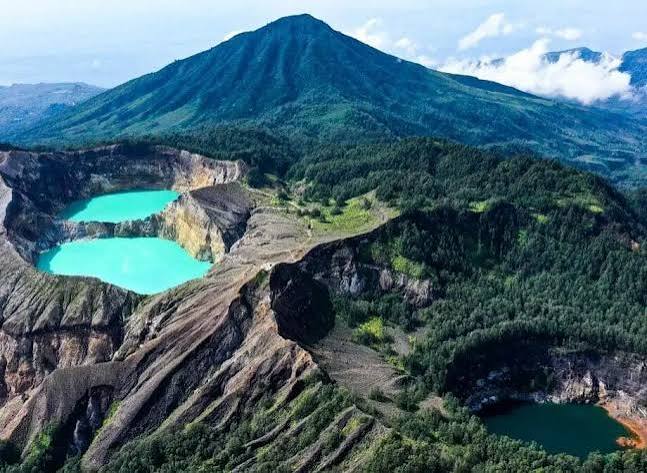
Uganda’s Queen Elizabeth National Park holds over 50 crater lakes within and around its boundaries. These circular lakes occupy the collapsed calderas of ancient volcanic vents, each perfectly round and remarkably deep relative to their surface area. The water is clear, calm, and in most cases safe for swimming. The surrounding walls rise steeply from the water surface the crater rim forms a natural amphitheatre that concentrates the view of the sky above the water. Swimming in a crater lake in western Uganda is an experience that combines geological drama with the simple pleasure of cool, clear water after a hot savanna game drive. Moreover, no other swimming experience in East Africa matches this setting.
The Geology of the Crater Lakes
The crater lakes of western Uganda formed through phreatomagmatic explosions events where rising magma encountered groundwater, producing a steam-driven explosion that excavated a circular crater. This process, known as maar formation, differs from the lava-flow volcanism of the Virunga volcanoes to the west. The explosions left steep-walled circular depressions that subsequently filled with rainwater and groundwater. Each lake’s water chemistry reflects the underlying geology some lakes are freshwater, others are highly alkaline saline lakes unsuitable for swimming. The freshwater crater lakes of the Fort Portal area and the Queen Elizabeth plateau are the swimming destinations.
Fort Portal Crater Lakes: The Finest Swimming
The crater lakes around Fort Portal in western Uganda provide the best swimming experience in the region. Lake Nyinambuga, Lake Kigere, and several smaller neighbouring craters all carry clean, clear freshwater. The Fort Portal area’s 300 craters cluster densely across the agricultural landscape many accessible by short walks from the main road. Lake Nkuruba Community Nature Reserve near Fort Portal protects a small crater lake with a swimming area, a forest margin supporting several primate species, and community-managed accommodation. Swimming in the lake while colobus monkeys move through the surrounding forest canopy is one of Uganda’s most distinctive combined nature experiences.
Additionally, the Kasenda Crater Lake cluster, approximately 10 kilometres from Fort Portal, provides a more remote swimming option. A short walk from the nearest road drops steeply to the lake surface. The crater walls 30 to 50 metres high surround the swimmer on all sides. No motor noise, no other visitors, and no development interfere with the experience. The water temperature sits at a cool 21 to 24 degrees Celsius year-round, reflecting the high altitude and the deep, thermally stable water column.
Safety Considerations
Swimming safety in crater lakes requires attention to a few specific factors. Alkaline crater lakes identifiable by their green or milky appearance and mineral deposits on the shoreline rocks are not suitable for swimming due to high pH levels that irritate skin and eyes. Freshwater crater lakes with clear blue water are generally safe. However, bilharzia (schistosomiasis) risk exists in some crater lakes where infected freshwater snails are present. Local knowledge from camp staff and community guides confirms which specific lakes are bilharzia-free. Furthermore, crater lake walls are steep exits from the water require care on the smooth rock surfaces, and swimming near the entry point rather than across the full lake reduces any entrapment risk on the far wall.
Plan Your Safari
Fort Portal’s crater lakes are a standard afternoon activity for Uganda safaris passing through the western circuit between Kibale Forest and Queen Elizabeth National Park. The drive from Kibale to Queen Elizabeth passes through the crater lake landscape, making a midday swimming stop a natural itinerary component. Community-managed crater lake reserves near Fort Portal charge a small entry fee that supports local conservation and community income.
African Wild Trekkers designs Uganda safari itineraries through the western circuit, including crater lake swimming stops between the forest and savanna destinations. Contact us to plan a Uganda safari that combines primates, savanna wildlife, and highland swimming in one comprehensive circuit.